
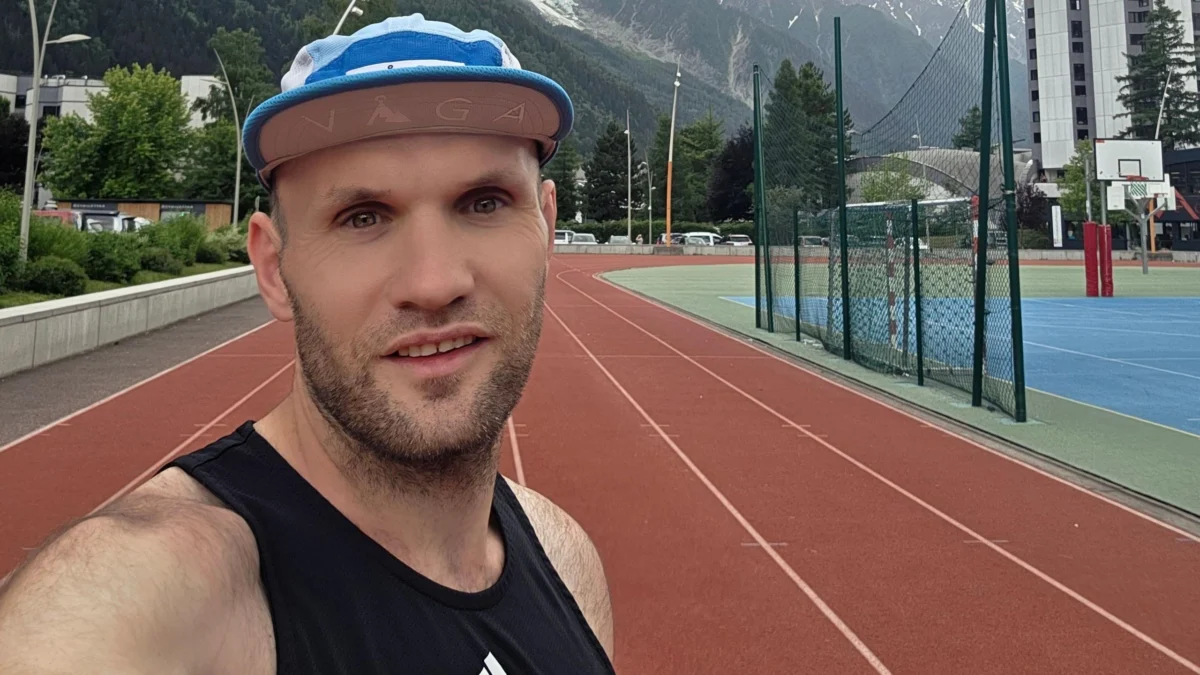
"My passion for fitness became an unrelenting obsession, stripping me of sleep, fueling anxiety, and leaving me constantly chasing a satisfaction I could never reach. Recognizing the addiction was the first step towards reclaiming my life."
This compelling narrative from Wayne Davies, a runner who experienced the severe mental and physical toll of exercise addiction, highlights a growing, often-unseen public health concern. What begins as a pursuit of well-being can subtly morph into a compulsive behavior, dictating daily life, eroding mental peace, and leading to debilitating consequences like anxiety and sleep deprivation. Davies’s journey underscores the critical importance of understanding the fine line between healthy dedication and addictive patterns, particularly in an era saturated with fitness data, social media comparison, and intense performance pressures.

Wayne Davies, a 40-year-old from Newtown in Powys, embarked on his running journey a decade ago, initially seeking a simple way to maintain fitness. What started as casual jogs soon escalated into an all-consuming pursuit, transforming from a beneficial habit into an insidious addiction. He found himself trapped in a relentless cycle, meticulously planning training regimes, obsessively tracking fitness data, and constantly comparing his performance to others on social media. This intense focus on metrics and external validation plunged him into a "real low point," marked by severe anxiety, chronic sleep deprivation, and a profound inability to appreciate his achievements.
His progression mirrored a common trajectory for exercise addiction. From completing marathons, Davies advanced to gruelling ultra-distance races, including a demanding 75-mile (120km) circuit around the picturesque Llŷn Peninsula in Gwynedd. The thrill of conquering longer distances quickly gave way to an insatiable hunger for speed. "I became obsessed with trying to do longer and longer distances," he recounts, "then I started focusing on times." This pursuit of ever-improving metrics became a source of constant dissatisfaction. "I was never happy, and always chasing the next challenge or trying to get a better time." The weight of this obsession meant that any perceived failure felt like "the end of the world," preventing him from acknowledging his impressive accomplishments.
The insidious nature of his addiction intensified following a heart scare during a training run, which led to a diagnosis of atrial fibrillation, a heart rhythm condition. Though he eventually returned to running after treatment, the incident paradoxically amplified his anxiety. He became consumed by worry that the condition would recur, further cementing his compulsive need to control and monitor his fitness. Davies reflects that he never recognized the existence of "fitness addiction" until he articulated his struggles, admitting he was merely trying to "get better all the time." The outpouring of relatable experiences he received after sharing his story underscored the silent prevalence of this issue. "I probably wasn’t open about it before because you feel like you’re going to get judged," he confessed, highlighting the pervasive stigma surrounding non-substance addictions, particularly among men.

His friends and family, noticing the escalating distress, encouraged him to seek professional help. This crucial intervention led him to his GP, who signposted him to Ponthafren, a Powys-based charity, and subsequently to the NHS Wales SilverCloud Space from Anxiety programme. Davies’s initial reluctance, stemming from the societal expectation that men should not display "weakness" by discussing their feelings, was ultimately overcome by his desperation for change. "Taking that first step was probably the best thing I ever did," he stated. Through a structured 12-week course, he learned invaluable cognitive behavioral therapy (CBT) techniques, specifically "how to manage my thoughts and let things go." This therapeutic intervention proved transformative, allowing him to detach from the compulsive tracking and comparison. "I don’t tend to look at the data as much anymore. I just accept it for what it is," he now says, embracing a more intuitive approach to running, guided by how he feels rather than arbitrary numbers.
Davies’s journey towards recovery culminates in his preparation for The Marathon Eryri, formerly the Snowdonia Marathon, but with a profoundly altered mindset. "I’m not worried about times anymore," he affirmed. "I just want to do the best I can on the day and enjoy it." His experience serves as a powerful testament to the possibility of regaining a healthy relationship with exercise and a passionate plea for others, especially men, to overcome the stigma and seek support. "People do want to listen and there are tools out there that can help. It’s not as scary as you think," he encourages.
Expert commentary corroborates the increasing recognition of exercise addiction as a legitimate and growing concern. Zaheen Ahmed, Head of Therapy at the UK Addiction Treatment Centre, has observed a significant surge in related cases, with over 57,000 individuals seeking help from their exercise addiction page in the past six months alone. Ahmed notes a common pattern where individuals in sobriety, seeking a healthy outlet, can "cross-addict" into fitness, turning a positive habit into a new form of compulsion. She attributes part of this rise to the proliferation of fitness apps, which, while designed to "inform and advise," often introduce a highly competitive element. This gamification of exercise, coupled with constant data tracking and social sharing, can inadvertently foster compulsive behavior disorders, blurring the lines between dedicated training and unhealthy obsession. "If fitness has overtaken your daily joy sources, then it’s likely a problem has developed," Ahmed advises, emphasizing that the issue isn’t necessarily a change in addictions, but rather a greater societal willingness and means to discuss these behaviors openly.

Dafydd Judd, a personal trainer in Cardiff, echoes this sentiment, observing a "blurring" between fitness and technology addiction. He highlights how calorie-counting apps, requiring meticulous weighing, measuring, and adjusting of intake, can become "highly addictive." The sheer volume of food data available to track, compared to exercise data, can create an intensely obsessive environment. Judd cautions against the deceptive nature of social media, where an increasing number of individuals "fudge the numbers and lying to to create this illusion that they’re better than they are." This curated perfection fuels comparison and an unrealistic standard. While acknowledging social media’s "double-edged sword" – offering community and healthy competition – he urges individuals to be critical of online representations and to seek help if their relationship with fitness becomes unhealthy, ensuring their energy is "channelled in the right way."
The psychological underpinnings of exercise addiction are complex, often rooted in perfectionism, body image issues, the need for control, or as a maladaptive coping mechanism for stress and anxiety. The "runner’s high" – the euphoric feeling derived from exercise – can become a powerful, addictive reward, driving individuals to constantly chase that sensation, even at the expense of their well-being. Physiologically, excessive exercise can lead to overtraining syndrome, characterized by chronic fatigue, increased injury risk, hormonal imbalances, weakened immune function, and cardiovascular strain – a stark reminder of the body’s limits, even for elite athletes. Distinguishing healthy dedication from addiction involves recognizing red flags such as exercising despite injury or illness, neglecting social or professional obligations for workouts, feeling intense guilt or anxiety when unable to exercise, and a preoccupation with body composition or performance metrics that dictates self-worth.
Fionnuala Clayton, Project Manager of NHS Wales’ Online Cognitive Behavioural Therapy Service, underscores the importance of accessible mental health support. She expresses gratitude for Wayne’s courage in reaching out during a "challenging time," reinforcing that while exercise undeniably offers mood-boosting benefits, "too much can can have negative impacts on both mental and physical health." Clayton stresses that when an exercise routine begins to dominate other vital areas of life, seeking support becomes crucial. "Talking to someone and exploring other sources of support can be an important step towards a healthier balance," she advises, emphasizing that "stories like Wayne’s remind us why accessible mental health support matters."

Wayne Davies’s story serves as a vital reminder that health and well-being encompass more than just physical prowess. In an increasingly data-driven and socially compared world, the line between healthy ambition and harmful addiction can become dangerously blurred. His journey from compulsive obsession to mindful enjoyment offers hope and a clear call to action: recognizing the problem, seeking professional help, and fostering a balanced, compassionate relationship with one’s body and mind are essential steps toward true, sustainable well-being.
