
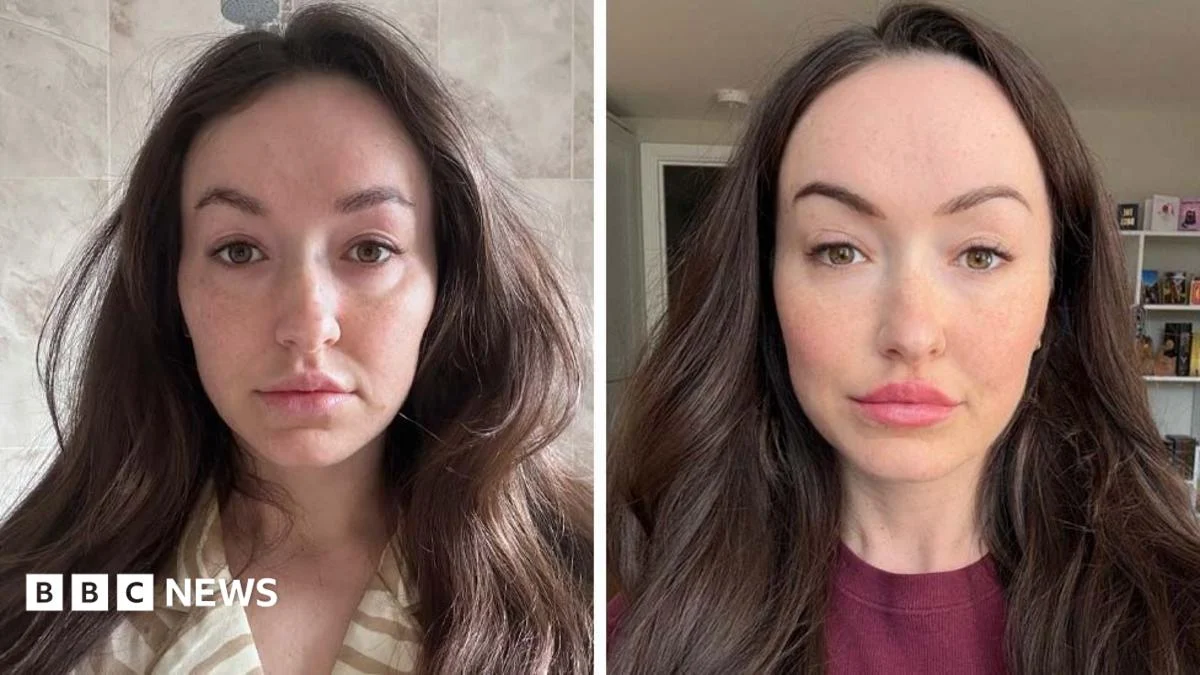
"While social media trends like ‘ferritin face’ can raise awareness about symptoms potentially linked to iron deficiency, medical experts stress that visible signs are clues, not diagnoses, necessitating professional evaluation for accurate assessment and safe treatment."
The digital landscape of health information is constantly evolving, with platforms like TikTok becoming unexpected epicenters for discussing medical concerns. A recent viral sensation, dubbed "ferritin face," exemplifies this trend, captivating millions with its promise of visually identifying iron deficiency. Users point to specific facial features and hair conditions—dark under-eye circles, pale or washed-out skin, brittle hair, and dry lips—as tell-tale signs of low ferritin levels, the body’s primary iron storage protein. This phenomenon highlights a growing public interest in self-diagnosis through observable symptoms, yet it simultaneously underscores the critical need for medical nuance and professional guidance in understanding complex health conditions like iron deficiency.
The Rise of "Ferritin Face" on Social Media
The term "ferritin face" has rapidly permeated social media feeds, driven by personal testimonials and striking before-and-after visuals. Content creators, often young women, share their experiences, attributing improvements in their appearance to addressing their iron levels. These posts resonate deeply with an audience seeking accessible explanations for persistent, often vague, symptoms that might otherwise go unaddressed. The allure lies in the apparent simplicity: connect a visible symptom to a specific deficiency, and find a pathway to resolution. Users frequently list a constellation of symptoms including pale or grey-looking skin, pronounced dark circles beneath the eyes, chronically dry or cracked lips, unusual hair shedding, and weak or brittle nails. The visual nature of these claims, combined with the personal narratives, fosters a powerful sense of community and validation among those who recognize these signs in themselves.
The virality of "ferritin face" reflects a broader societal shift towards self-education and proactive health management, often initiated through online research. While this democratisation of information can empower individuals to advocate for their health, it also presents a significant challenge: distinguishing between anecdotal evidence and scientifically validated medical advice.
Understanding Ferritin and Iron Deficiency
To understand the medical perspective, it’s crucial to first clarify what ferritin is and its role in the body. Ferritin is a protein that stores iron, releasing it in a controlled fashion when the body needs it. It serves as an indicator of the body’s total iron stores. When ferritin levels are low, it suggests that the body’s iron reserves are depleted, even if the red blood cell count (hemoglobin) might still be within a normal range. This state is known as iron deficiency without anemia (IDWA), which can still cause symptoms. If iron deficiency progresses, it can lead to iron deficiency anemia (IDA), where there isn’t enough iron to produce sufficient hemoglobin, leading to a reduction in red blood cells’ oxygen-carrying capacity.
Iron is an essential mineral vital for numerous bodily functions. It’s a key component of hemoglobin, the protein in red blood cells responsible for transporting oxygen from the lungs to all tissues. Iron is also crucial for energy production, DNA synthesis, cell growth, and the proper functioning of the immune system. Consequently, a deficiency can impact almost every system in the body.
Medical Perspective: Clue, Not Diagnosis
While the symptoms highlighted by "ferritin face" users—such as pale skin, hair shedding, and brittle nails—can indeed be associated with low iron levels, medical professionals caution against self-diagnosis based solely on appearance. Dr. Aziza Sesay, a GP based in the West Midlands, succinctly states, "Ferritin face is not a medical diagnosis." She acknowledges that these visual cues "may be a clue to tell us that something is going on," but firmly asserts that appearance alone cannot confirm iron deficiency.
The reason for this cautious approach lies in the non-specific nature of these symptoms. Pale skin, for instance, can result from various conditions beyond iron deficiency, including other types of anemia, poor circulation, chronic illness, or even simply natural skin tone variations. Hair shedding and brittle nails are common complaints that can be linked to hormonal imbalances (e.g., thyroid issues), nutritional deficiencies (e.g., biotin, zinc), stress, certain medications, or genetic predisposition. Dark under-eye circles can be exacerbated by fatigue, genetics, dehydration, or allergies. Dry or cracked lips could indicate dehydration, vitamin deficiencies, or environmental exposure.
For medical practitioners, the patient’s overall symptomatic picture and how they feel are far more informative than isolated visual signs. Symptoms like persistent fatigue, shortness of breath, dizziness, cold hands and feet, restless legs syndrome, and a general lack of energy are often more indicative of iron deficiency. These systemic symptoms, combined with a thorough medical history, guide doctors toward appropriate diagnostic steps.
The Indispensable Role of Blood Tests
To accurately diagnose iron deficiency, blood tests are indispensable. These tests go beyond merely checking hemoglobin levels. A comprehensive iron panel typically includes:
- Ferritin: Measures the amount of iron stored in the body. Low ferritin is the most sensitive indicator of iron deficiency.
- Serum Iron: Measures the amount of iron circulating in the blood.
- Total Iron-Binding Capacity (TIBC) and Transferrin Saturation: Assess the body’s capacity to transport iron and how much of that capacity is being utilized.
- Hemoglobin and Hematocrit: Indicate the severity of anemia, if present.
These tests provide a complete picture of an individual’s iron status, allowing doctors to confirm a diagnosis, determine its severity, and, crucially, establish the underlying cause.
Identifying the Root Causes of Iron Deficiency
Treating iron deficiency effectively requires addressing its root cause, not just supplementing iron. Several factors can contribute to low iron levels:
- Heavy Menstrual Periods (Menorrhagia): This is the most common cause of iron deficiency in premenopausal women. Excessive blood loss each month can deplete iron stores over time.
- Inadequate Dietary Iron Intake: Diets lacking sufficient iron-rich foods are a primary contributor. Vegetarians and vegans, in particular, need to ensure adequate intake of non-heme iron and enhance its absorption.
- Heme iron: Found in animal products like red meat, poultry, and fish, it is highly bioavailable and easily absorbed.
- Non-heme iron: Found in plant-based foods such as beans, lentils, spinach, kale, fortified cereals, and tofu. Its absorption can be influenced by other dietary components.
- Gastrointestinal Blood Loss: Chronic, often undetected, bleeding from the digestive tract is a significant concern. This can be due to:
- Peptic ulcers: Open sores in the stomach or duodenum.
- Inflammatory Bowel Disease (IBD): Conditions like Crohn’s disease or ulcerative colitis.
- Diverticulosis or polyps: Abnormal growths in the colon.
- Certain medications: Long-term use of non-steroidal anti-inflammatory drugs (NSAIDs) like ibuprofen can cause stomach irritation and bleeding.
- Malignancies: In some cases, gastrointestinal bleeding can be a symptom of colorectal cancer, especially in older individuals.
- Malabsorption: Conditions that impair the body’s ability to absorb iron from the gut include:
- Celiac disease: An autoimmune disorder where gluten consumption damages the small intestine lining.
- Crohn’s disease: An inflammatory bowel disease that can affect any part of the digestive tract.
- Bariatric surgery: Certain types of weight-loss surgery can alter the digestive pathway, reducing iron absorption.
- Increased Iron Demand:
- Pregnancy: The growing fetus requires significant iron, increasing the mother’s needs.
- Rapid growth in children and adolescents: Periods of rapid physical development demand more iron.
Investigating these underlying causes is paramount. Simply taking iron supplements without understanding the reason for the deficiency could mask a serious medical condition, delaying crucial diagnosis and treatment.
Treatment and Management of Iron Deficiency
Once diagnosed, iron deficiency is commonly treated with oral iron supplements. Ferrous sulfate, ferrous gluconate, and ferrous fumarate are common forms. To maximize absorption, these tablets are generally best taken on an empty stomach, ideally first thing in the morning, approximately an hour before food. It’s also advised to avoid consuming tea or coffee around the time supplements are taken, as tannins in these beverages can inhibit iron absorption. Combining iron supplements with Vitamin C (e.g., orange juice or a Vitamin C tablet) can further enhance the absorption of non-heme iron. Potential side effects like constipation, nausea, or stomach upset can sometimes be managed by starting with a lower dose, taking the supplement with a small amount of food, or trying a different formulation.
Dietary modifications also play a crucial role. Incorporating iron-rich foods into daily meals is essential. Excellent sources include:
- Heme iron: Red meat (beef, lamb), poultry (chicken, turkey), fish (tuna, salmon), and shellfish (oysters, clams).
- Non-heme iron: Beans (kidney, black), lentils, spinach, kale, fortified cereals, tofu, pumpkin seeds, and dried fruits.
For those seeking to increase their dietary iron, combining plant-based iron sources with foods high in Vitamin C (e.g., bell peppers, broccoli, citrus fruits) can significantly boost absorption. For practical inspiration, numerous iron-rich recipes are available to help integrate these vital nutrients into a balanced diet.
The Double-Edged Sword of Social Media in Health
The phenomenon of "ferritin face" perfectly illustrates the dual nature of social media in health discussions. On one hand, it acts as a powerful platform for raising awareness. As Lucy, a content creator mentioned in the original context, notes, social media has helped women take their symptoms more seriously, empowering them to ask questions and advocate for themselves when something feels wrong. The shared experiences can reduce feelings of isolation and validate individuals’ concerns, prompting them to seek professional help.
However, Dr. Sesay accurately describes social media as a "double-edged sword." While it can encourage people to seek help, it also carries the significant risk of misinformation and incorrect self-diagnosis. Short, visually driven videos often lack the depth and nuance required for accurate medical assessment. Relying solely on a TikTok trend for diagnosis can lead to unnecessary anxiety, self-treatment with potentially harmful supplements (iron overload can be toxic), or, critically, delay the investigation of a truly serious underlying medical problem. For instance, if the cause of iron deficiency is gastrointestinal bleeding from an undiagnosed ulcer or even a malignancy, simply taking iron supplements would allow the underlying condition to worsen unnoticed.
Lucy, while sharing her personal experience, responsibly emphasizes that she is not a doctor and that her content should not be taken as medical advice. Her goal is to provide information that empowers individuals to ask informed questions, rather than to diagnose themselves based on appearance. The distinction between using social media as a catalyst for seeking professional advice versus using it as a diagnostic tool is paramount.
Conclusion
"Ferritin face" is more than just a fleeting internet trend; it’s a symptom of a broader public desire for accessible health information and understanding. While social media can play a valuable role in sparking conversations and encouraging individuals to pay attention to their bodies, it can never replace the expertise of qualified medical professionals. Symptoms like pale skin, hair loss, or fatigue are complex and multifactorial. They are clues that warrant investigation, not definitive diagnoses. For anyone experiencing symptoms suggestive of iron deficiency, the most responsible course of action is to consult a doctor. Through comprehensive blood tests and a thorough medical evaluation, the true cause can be identified, and an appropriate, safe, and effective treatment plan can be established, ensuring genuine health and well-being beyond the screen.
