
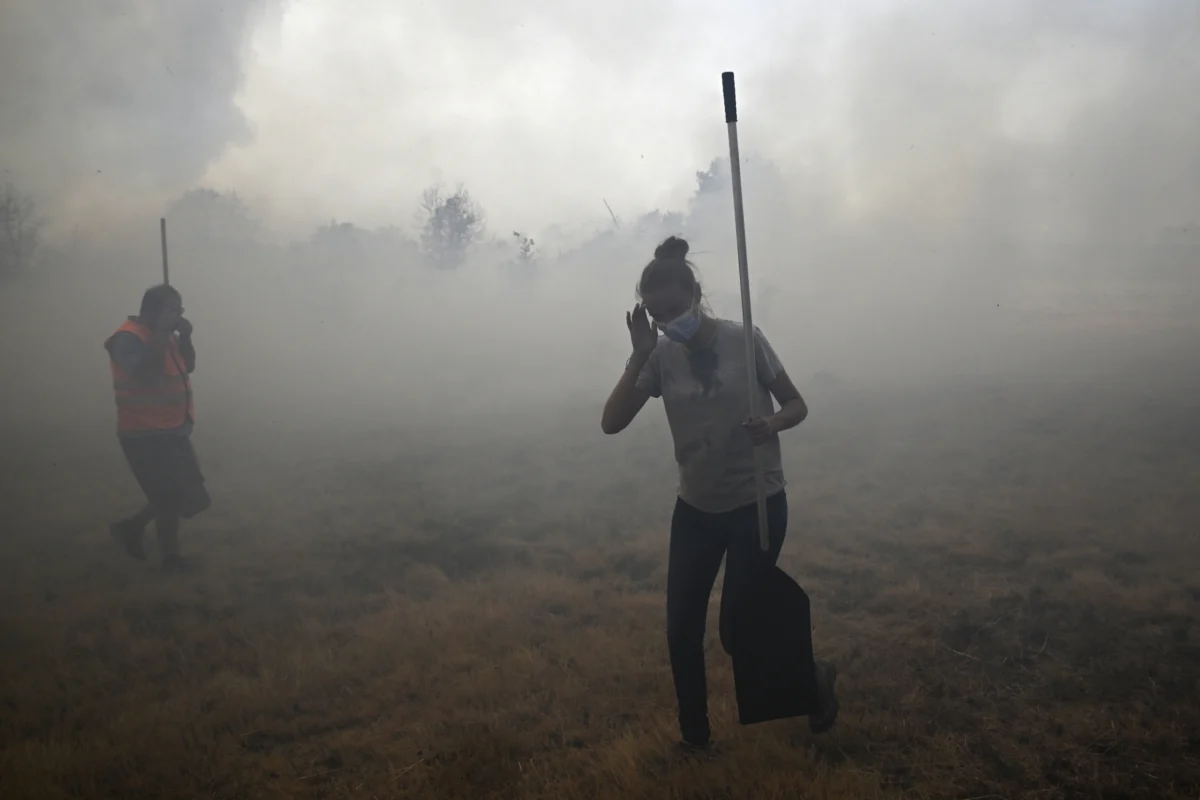
"Beyond the immediate respiratory concerns, the pervasive smoke from Canada’s escalating wildfires is severely impacting millions of Americans, causing widespread ‘Code Purple’ air quality alerts and creating a significant, often overlooked, threat to eye health and visual acuity."
The unprecedented wildfire season gripping Canada has unleashed a torrent of smoke, blanketing vast swathes of the continent and triggering severe air quality alerts across numerous provinces and the United States. While public health advisories rightly emphasize the dangers of smoke inhalation to the respiratory system, health experts are increasingly highlighting the profound and often debilitating effects of this atmospheric onslaught on ocular health. Millions of residents are being urged to limit outdoor activities, not only to protect their lungs but also to safeguard their vision from the irritating particles and gases that compromise eye comfort, clarity, and overall visual function. The dense haze, a stark visual testament to the fires’ ferocity, reduces visibility for everyone, from motorists navigating roadways to individuals simply trying to go about their daily lives, underscoring a multifaceted public health crisis extending beyond the immediate fire zones.
The current wildfire season in Canada is proving to be one of the most active and destructive on record, with an alarming number of blazes raging across multiple provinces. These fires, fueled by dry conditions and exacerbated by strong winds, are generating immense volumes of smoke. This dense particulate matter is being carried hundreds, and in some cases thousands, of miles from its origin, drifting eastward and southward to create hazy skies and hazardous air conditions in communities far removed from the active fire fronts. The consequences are immediate and widespread: air that is not only difficult to breathe but also reduces visibility, creating dangerous conditions for transportation and outdoor work. Crucially, the microscopic particles suspended in the smoke are coming into direct contact with the sensitive tissues of the eyes, leading to a cascade of irritation and temporary vision problems for a significant portion of the population.
Satellite imagery, such as that provided by NASA, vividly illustrates the sheer scale of this environmental event. These images capture massive smoke plumes stretching across eastern Canada and penetrating deep into the United States, demonstrating the remarkable ability of wildfire smoke to travel vast distances, dictated by prevailing wind patterns and complex atmospheric conditions. This phenomenon means that even communities located hundreds of miles from the nearest active wildfire can find themselves experiencing hazardous air quality as airborne particles remain suspended in the atmosphere for extended periods. The implications for public health are therefore far-reaching, extending the impact of the fires beyond the immediate ecological and safety concerns of the affected regions.
In response to the escalating threat, local governments and public health agencies have been compelled to issue a series of increasingly severe air quality advisories, including the notable "Code Purple" alerts in some areas. These advisories serve as urgent calls to action for residents, urging them to remain indoors whenever possible, postpone strenuous outdoor activities, and diligently monitor local air quality reports. Furthermore, officials are recommending the utilization of clean-air shelters where available, providing havens from the polluted atmosphere. In some hard-hit jurisdictions, authorities have taken the proactive step of distributing protective masks designed to filter particulate matter and have intensified public messaging campaigns to educate individuals on how to minimize their exposure to smoke during periods of particularly poor air quality. These measures are critical in mitigating the immediate health risks associated with the pervasive smoke.
The visible symptoms of smoke exposure on the eyes are often the first indication for many of the broader health implications. Wildfire smoke is a complex mixture of microscopic particles, gases, and chemicals, including carbon monoxide, carbon dioxide, nitrogen oxides, and volatile organic compounds. When these irritants come into direct contact with the surface of the eye, they can have a profound impact on ocular health. The American Academy of Ophthalmology (AAO) explains that smoke exposure can disrupt the delicate tear film that naturally lubricates and protects the eyes. This disruption leads to a cascade of symptoms, including dryness, inflammation, and a burning sensation. The result is often redness, excessive watering, and a persistent irritation that makes it profoundly uncomfortable, and at times, difficult to keep the eyes open.
The Cleveland Clinic further elaborates on the nature of burning eyes, characterizing it as a symptom rather than a standalone disease. This symptom commonly arises when smoke, dust, or other airborne irritants inflame the eye’s delicate tissues. The typical manifestations include a stinging or burning sensation, redness, itching, watering or excessive tearing, and a feeling of grittiness or having a foreign body in the eye. In more severe cases, individuals may experience blurred vision or increased sensitivity to light (photophobia). These symptoms are not merely discomforts; they are indicators of the eye’s distress and its struggle to cope with the environmental assault.
Certain individuals are at a heightened risk of experiencing more severe symptoms due to pre-existing conditions or lifestyle factors. Those who wear contact lenses, for instance, may find their discomfort exacerbated. Contact lenses can trap irritants against the cornea, intensifying the inflammatory response. Similarly, individuals with pre-existing allergies or chronic eye conditions such as dry eye syndrome are particularly vulnerable. Wildfire smoke acts as an additional irritant, further compromising already compromised ocular surfaces and significantly worsening discomfort and prolonging inflammation. Spending extended periods outdoors during heavy smoke events can amplify these symptoms and delay recovery.
Beyond the direct irritation to the eyes, wildfire smoke significantly impairs overall visibility by scattering sunlight and infusing the atmosphere with fine particulate matter. This creates a pervasive haze that can have serious safety implications. For motorists, the reduced visibility makes it more challenging to discern other vehicles, pedestrians, and potential road hazards, increasing the risk of accidents. Outdoor workers, pilots, and emergency responders, who rely on clear sightlines to perform their duties safely, face similar challenges. While this reduction in visual clarity typically does not lead to permanent vision loss, it can temporarily impair an individual’s ability to perceive their surroundings accurately and safely until air quality improves.
Fortunately, most cases of eye irritation caused by wildfire smoke are temporary and resolve once exposure ceases. However, prolonged or repeated exposure without adequate protection can lead to more persistent inflammation and can exacerbate pre-existing eye conditions. Health experts offer several key recommendations for mitigating these risks. Limiting outdoor activities during periods of heavy smoke is paramount. When venturing outdoors is unavoidable, wearing protective eyewear, such as wrap-around sunglasses or even regular eyeglasses, can help create a physical barrier against airborne irritants. Staying indoors with windows closed is another effective measure, and the use of indoor air filtration systems can further improve air quality within homes. Crucially, individuals are advised to avoid rubbing their eyes, as this can further irritate and potentially damage the ocular surface. For immediate relief, using preservative-free artificial tears can help flush away irritants and rehydrate the eyes. In situations where smoke levels are high, switching from contact lenses to eyeglasses is also recommended.
Should symptoms become severe, vision changes persist beyond the period of smoke exposure, or significant eye pain develop, seeking prompt medical evaluation from an ophthalmologist or other qualified healthcare professional is essential. These symptoms could indicate a more serious underlying issue or a significant inflammatory response that requires professional intervention.
The ongoing wildfire crisis in Canada serves as a stark reminder that the impact of poor air quality extends far beyond the respiratory system. The pervasive smoke directly interferes with eye health and visual function, transforming routine activities such as driving, exercising, or working outdoors into potentially hazardous endeavors due to compromised visibility and ocular discomfort. The widespread "Code Purple" alerts underscore the critical importance of paying close attention to local air quality advisories and understanding the multifaceted risks they represent. While many individuals instinctively associate smoke with respiratory hazards, recognizing and addressing the threat to ocular health by reducing exposure is equally vital for preventing irritation and temporary vision problems during prolonged wildfire events.
For residents living in affected areas, this situation highlights the necessity of integrating air quality monitoring into daily decision-making processes throughout wildfire season. By adopting prudent practices and implementing simple preventive measures, individuals can significantly protect both their respiratory health and their vision. These measures include staying indoors when smoke levels are high, utilizing indoor air filtration systems, wearing appropriate eye protection when venturing outdoors, and promptly seeking medical attention if symptoms worsen. These proactive steps are crucial for safeguarding well-being until air quality conditions return to safer levels.
