
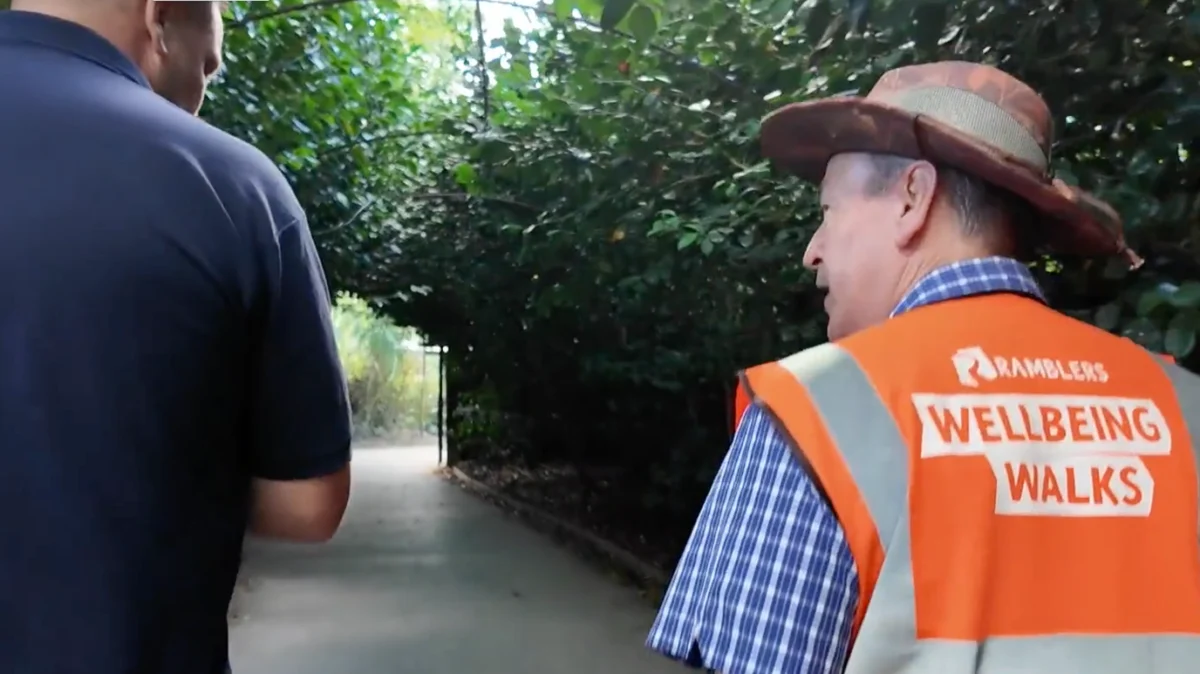
"These free wellbeing walks are dramatically changing lives, fostering not only vital physical activity but also building beautiful friendship groups and strong community networks that combat isolation and uplift spirits."
In an era where sedentary lifestyles and social isolation pose significant public health challenges, community-led initiatives offering accessible pathways to physical activity and social engagement are proving transformative. Across Cornwall, a collaborative effort between Active Cornwall, Ramblers UK, and various local partners is orchestrating a series of free wellbeing walks, designed to enhance the physical and mental health of residents. These walks transcend mere exercise, cultivating a supportive environment where individuals of all ages and abilities can connect with nature, with each other, and with their own sense of wellbeing, demonstrating a profound impact on participants’ daily lives and overall quality of life.

The modern world, with its increasingly digital landscape and often demanding pace, frequently leaves individuals feeling disconnected, both from their communities and from the natural environment. Sedentary behaviors are prevalent, contributing to a rise in chronic health conditions, while loneliness and social isolation are recognized as significant public health concerns, impacting mental health and overall longevity. Against this backdrop, the "Ramblers Wellbeing Walks" program in Cornwall emerges as a vital intervention, offering a simple yet profoundly effective solution. Coordinated by Active Cornwall in strategic partnership with Ramblers UK and a network of dedicated local organizations, these walks are more than just a means to exercise; they are a concerted effort to foster health, happiness, and community cohesion across the picturesque county.
The philosophy underpinning these walks is elegantly simple: harness the inherent benefits of walking and social interaction to improve wellbeing. The program is meticulously designed to be inclusive, ensuring that barriers to participation are minimized. Walks vary in duration, ranging from gentle 10-minute strolls suitable for those new to exercise or with mobility limitations, to more invigorating 90-minute excursions. This tiered approach allows individuals to select a pace and distance that aligns with their current fitness levels and personal comfort, thereby promoting a sense of achievement and encouraging consistent participation. Locations are chosen for their accessibility and natural beauty, spanning Cornwall’s iconic coast paths, serene garden estates, and inviting town parks, offering diverse backdrops that cater to varied preferences and provide ever-changing scenery.
A cornerstone of the program’s success lies in its reliance on a dedicated cadre of trained volunteers. These individuals are not merely guides; they are community facilitators, ensuring each walk is welcoming, safe, and enjoyable. Their role extends beyond navigation to fostering conversations, introducing participants, and creating an atmosphere of camaraderie. This volunteer-led model not only makes the program sustainable but also imbues it with a genuine community spirit, as participants often form bonds with their walk leaders and fellow walkers, transforming casual strolls into cherished social rituals.

The testimonials from participants vividly illustrate the program’s profound impact. Kathryn, who regularly joins the walks at the magnificent Heligan Gardens near Mevagissey, shares a particularly moving account of how the experience has "dramatically changed her life." She recounts how the walks have been a crucial source of emotional upliftment during challenging times, stating they helped her spirits when she felt down. Beyond the immediate emotional support, Kathryn highlights the enduring social benefits: "I’ve built up a really beautiful friendship group." This speaks volumes about the program’s ability to combat loneliness, a pervasive issue in many communities. Her appreciation for the natural world encountered on the walks – "We see the animals, we see the plants and every week there is something different going on" – underscores the therapeutic power of nature, often referred to as ‘green therapy.’ The simple act of talking and being listened to, as Kathryn notes ("The people I’m with, they ask how you are – it’s just good to talk"), reinforces the critical role of social connection in mental wellbeing.
Toni, another regular participant, echoes Kathryn’s sentiments regarding the invaluable social aspect of the walks. For Toni, the groups provide a vital "opportunity to talk with others," a simple yet profound need in an increasingly isolated society. Her experience also highlights the physical rehabilitation benefits, as she candidly shares, "I’ve also just had a knee replacement, so this is helping me along." This demonstrates the program’s adaptability for individuals recovering from health issues, offering a gentle yet effective pathway back to mobility and strength. The combination of physical activity, fresh air, and human interaction is a potent tonic: "I come out and walk, we have a chat and a cup of coffee, getting fresh air and being with human beings." Toni’s words encapsulate the holistic nature of the wellbeing walks, where physical recovery is seamlessly integrated with social and emotional nourishment.
These anecdotal accounts are strongly supported by established public health guidelines and expert recommendations. Professor Chris Whitty, England’s Chief Medical Officer, has consistently advocated for adults to engage in approximately 150 minutes of moderate-intensity activity per week. Significantly, a brisk walk counts towards this crucial recommendation. Moderate-intensity activity is defined as any activity that raises your heart rate, makes you breathe faster, and makes you feel warmer, but where you can still hold a conversation. The scientific consensus is clear: regular physical activity significantly reduces the risk of numerous chronic diseases, including heart disease, stroke, type 2 diabetes, and certain cancers. It also plays a pivotal role in weight management, bone health, and cognitive function. Beyond these physiological benefits, physical activity is a powerful antidepressant and anxiolytic, boosting mood, reducing stress, and improving sleep quality.

Rob Harrison from Active Cornwall further elaborates on the multifaceted advantages of the program, emphasizing that while the "physical benefits of getting out" are undeniable, "the social element is massively important" too. This statement encapsulates the core philosophy that differentiates these wellbeing walks from solitary exercise routines. The walks are designed as a social intervention, recognizing that human beings are fundamentally social creatures. The act of walking together, sharing experiences, and engaging in conversation fosters a sense of belonging and mutual support. Participants often arrive alone but "go away with friends and have that network and community," as Harrison points out. This transformation from individual participant to integrated community member is a powerful outcome, creating resilient social networks that can provide ongoing support beyond the structured walks themselves.
The impact of such initiatives extends beyond the individual, contributing to the overall health and vitality of the wider community. By fostering social cohesion, reducing loneliness, and promoting active lifestyles, the wellbeing walks can indirectly lead to a reduction in demand for certain health services, thereby creating broader societal benefits. Furthermore, by encouraging people to explore and appreciate their local natural environments, the program can also cultivate a stronger sense of environmental stewardship.
In conclusion, the free wellbeing walks coordinated by Active Cornwall, Ramblers UK, and their local partners represent a shining example of a community-centric public health initiative. By offering accessible, volunteer-led opportunities for physical activity and social connection amidst Cornwall’s stunning landscapes, the program is not merely improving fitness levels but profoundly enriching lives. The testimonials from participants like Kathryn and Toni underscore the dramatic positive shifts in mental health, social networks, and physical recovery. Backed by expert health recommendations, these walks demonstrate that simple, collaborative efforts can yield extraordinary results, transforming individual wellbeing and strengthening the fabric of local communities for a healthier, more connected future.
