
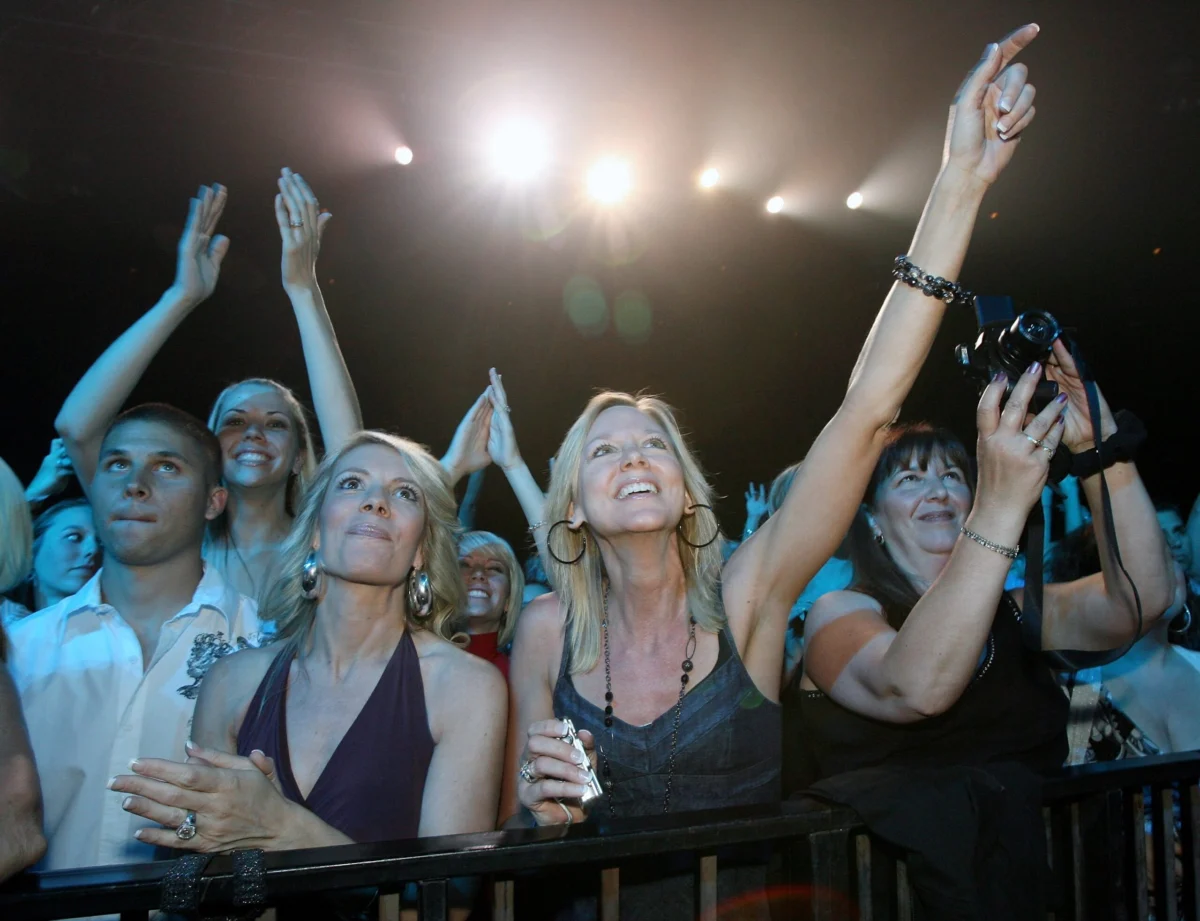
"Regularly immersing oneself in cultural activities, such as visiting museums, theaters, and concerts, is associated with a biological age that is approximately three years younger than that of individuals who rarely engage in such pursuits, according to a groundbreaking study."
A recent study, published on July 14, 2026, in the esteemed Journal of Epidemiology and Community Health, has unveiled a compelling correlation between consistent engagement in cultural activities and a measurably younger physiological age among older adults. This research, led by Yusuke Matsuyama, PhD, DDS, and his colleagues at the Institute of Science Tokyo, utilized data from the long-running English Longitudinal Study of Ageing, a nationally representative cohort tracking adults aged 50 and older in England. The findings suggest that actively participating in the arts and cultural events may serve as a significant factor in decelerating the biological aging process, offering a tangible benefit beyond mere chronological progression.
The concept of biological aging, distinct from chronological age, recognizes that individuals age at different rates. Two people of the same chronological age can possess bodies functioning as if they were years older or younger, influenced by a complex interplay of genetics, lifestyle choices, environmental factors, and social connections. Physiological age, assessed through a battery of biomarkers such as blood pressure, cholesterol levels, walking speed, and body mass index (BMI), is increasingly viewed by the scientific community as a more robust predictor of future health outcomes and mortality than simply counting years. This study’s significance is amplified by its innovative methodology, designed to mitigate common biases found in previous research on leisure activities.
Traditionally, studies examining the health benefits of leisure activities often compare individuals who opt to attend cultural events with those who do not. This approach is inherently susceptible to selection bias; healthier, more affluent, and socially connected individuals may naturally gravitate towards cultural participation. Consequently, any observed health advantages could reflect these pre-existing advantages rather than the direct impact of the activities themselves. To circumvent this limitation, Matsuyama and his team employed a sophisticated fixed-effects statistical model. This technique meticulously tracks each individual over time, comparing their physiological age during periods of heightened cultural engagement versus periods of lower engagement. By controlling for stable individual characteristics—including income, personality traits, and pre-existing chronic health conditions—the researchers were able to isolate the association between cultural participation and biological age with a greater degree of rigor than traditional cross-sectional comparisons would allow.
The study involved 1,899 participants who were queried about the frequency of their attendance at cinemas, museums, art galleries, theater productions, concerts, and operas. Their participation was categorized into three levels: never or rarely, every few months, or monthly or more often. Physiological age was then calculated using a composite score derived from 10 distinct biological markers, encompassing pulse pressure, diastolic blood pressure, LDL cholesterol, BMI, and walking speed. The results were striking: participants who attended cultural activities at least every few months exhibited an average biological age of approximately 66.9 years. In contrast, those who rarely or never attended cultural events had an average biological age of 69.9 years, a difference of three years. This significant gap persisted even after the researchers adjusted for income, employment status, and existing health conditions. The strongest observed effect was among those who attended cultural events monthly or more frequently.
Several plausible mechanisms have been proposed to explain this observed link between cultural engagement and slower biological aging. Cultural outings often necessitate physical activity, such as walking to and within venues. The planning and decision-making involved in attending events can provide cognitive stimulation. Social interaction with companions during these outings can foster a sense of connection, while the aesthetic and emotional engagement derived from art and performance may serve to reduce stress and elevate mood. Furthermore, reduced social isolation, a factor independently linked to accelerated biological aging, likely plays a crucial role in this pathway.
The implications of these findings are particularly pertinent to adults aged 50 and older, the demographic group studied. In the United States, where attendance at arts venues has seen a decline among older adults since the COVID-19 pandemic, and where social isolation in this age bracket is an escalating public health concern, the identified three-year biological age gap associated with regular cultural engagement carries significant policy implications. These could extend to areas such as arts funding, public transportation initiatives aimed at improving access to cultural venues, and the development of robust senior community programming. Major U.S. metropolitan areas, including New York, Chicago, Los Angeles, Boston, San Francisco, Washington D.C., and Seattle, boast extensive cultural infrastructures accessible to their residents. However, smaller cities and rural communities with more limited access to cultural venues may face compounding disadvantages in their pursuit of healthy aging, underscoring the critical need for investments in community arts programming that extends beyond major urban centers.
Lead author Yusuke Matsuyama emphasized the complexity of factors influencing physiological aging, highlighting the necessity of the fixed-effects design to isolate the specific contribution of cultural engagement. He stated, "Many factors influence physiological aging," underscoring the meticulous approach required to attribute changes to specific behaviors. This study is believed to be the first longitudinal analysis to investigate the association between cultural engagement and physiological age while rigorously controlling for unmeasured, time-invariant confounding factors. Medical News Today reported that while the researchers acknowledge the three-year effect size as modest, they also noted the consistency of the finding across multiple biomarkers as a key strength of the evidence. They also conceded that other characteristics of regular cultural attendees, such as higher intrinsic motivation or better access to transportation, might partially contribute to the observed gap.
It is crucial to understand the scope and limitations of the evidence presented. This is a longitudinal observational study employing a fixed-effects design, published in the peer-reviewed Journal of Epidemiology and Community Health. The study population comprised 1,899 adults aged 50 and older from the English Longitudinal Study of Ageing. The fixed-effects design is adept at controlling for individual-level confounding factors that remain constant over time. The study revealed a statistically significant association: frequent cultural attendees exhibited physiological ages approximately three years lower than infrequent attendees, even after adjusting for socioeconomic and health status. However, it is essential to note that observational studies, even with advanced designs, cannot definitively establish causation. The study’s findings, derived from an English population, may have limited generalizability to U.S. populations due to potential differences in cultural access patterns and socioeconomic contexts. Therefore, while this research provides credible epidemiological evidence for a meaningful biological age gap linked to cultural participation, the precise causal mechanisms remain incompletely understood, and direct experimental confirmation is still pending.
Individuals who face the greatest risk of accelerated biological aging due to a lack of cultural engagement include those experiencing social isolation, residents of communities with limited access to cultural venues, individuals with mobility limitations that hinder their ability to attend in-person events, and those whose financial constraints preclude discretionary spending on cultural pursuits. These same populations often contend with a higher burden of factors known to accelerate biological aging, such as loneliness, physical inactivity, and chronic stress.
This research focuses on long-term biological aging rates rather than immediate symptoms. Consequently, there are no specific symptoms to monitor in relation to this study’s findings. However, older adults concerned about the pace of their biological aging are encouraged to discuss physiological age assessment with their primary care physician. This assessment can involve relevant biomarkers like blood pressure, cholesterol levels, walking speed, grip strength, and BMI.
The most actionable takeaway from this study is the clear association between regular engagement in cultural activities—at a frequency of at least once every few months—and slower biological aging in older adults. The nature of these activities is less critical than the act of participation itself. Simple, accessible, and often free or low-cost options can provide the core benefits. Examples include attending a local library’s film screening, a community theater production, a free museum day, or a neighborhood concert. These activities collectively offer walking, social interaction, cognitive engagement, and aesthetic stimulation. For individuals who have reduced their cultural participation since the pandemic, re-establishing these routines presents a low-risk, non-pharmacological intervention with a solid evidence base. Furthermore, for individuals with mobility limitations, exploring virtual museum tours, online concert streaming, and other digital cultural engagement formats, while not yet studied as direct substitutes for in-person attendance, may offer alternative avenues for engagement.
Cost and accessibility remain important considerations. Many museums in major U.S. cities offer free admission days or sliding-scale pricing. Public libraries are invaluable resources for free film screenings and arts programming. Community and senior centers often host cultural events specifically tailored for older adults, frequently at minimal or no cost. Transportation to cultural venues can pose a significant barrier in certain communities; local area agencies on aging can often provide information and assistance regarding transportation programs.
The research team at the Institute of Science Tokyo has articulated a clear path forward, calling for further investigation into whether actively promoting cultural engagement among older adults leads to durable improvements in long-term health outcomes. They also aim to determine the applicability of these findings across diverse cultural and geographic landscapes. The gold standard for establishing causal relationships would involve prospective interventional trials, where older adults are randomly assigned to receive cultural event tickets or social engagement programs and subsequently monitored for changes in their biological aging markers. Such trials would provide more robust causal evidence. MedicalDaily will continue to report on follow-up research as it becomes available.
In conclusion, a rigorous observational study, which controlled for individual characteristics that remain constant over time, has demonstrated that older adults who regularly engage in cultural activities such as visiting museums, theaters, cinemas, and concerts exhibit physiological characteristics that are approximately three years younger than those who rarely participate. While the exact mechanisms driving this effect are still under investigation, the social connection, physical activity, and cognitive stimulation inherent in cultural outings are all individually recognized contributors to slower aging. For older adults seeking evidence-based, accessible, and enjoyable strategies to promote healthy aging, regularly attending cultural events emerges as a low-risk, high-reward endeavor, akin to a beneficial prescription.
