
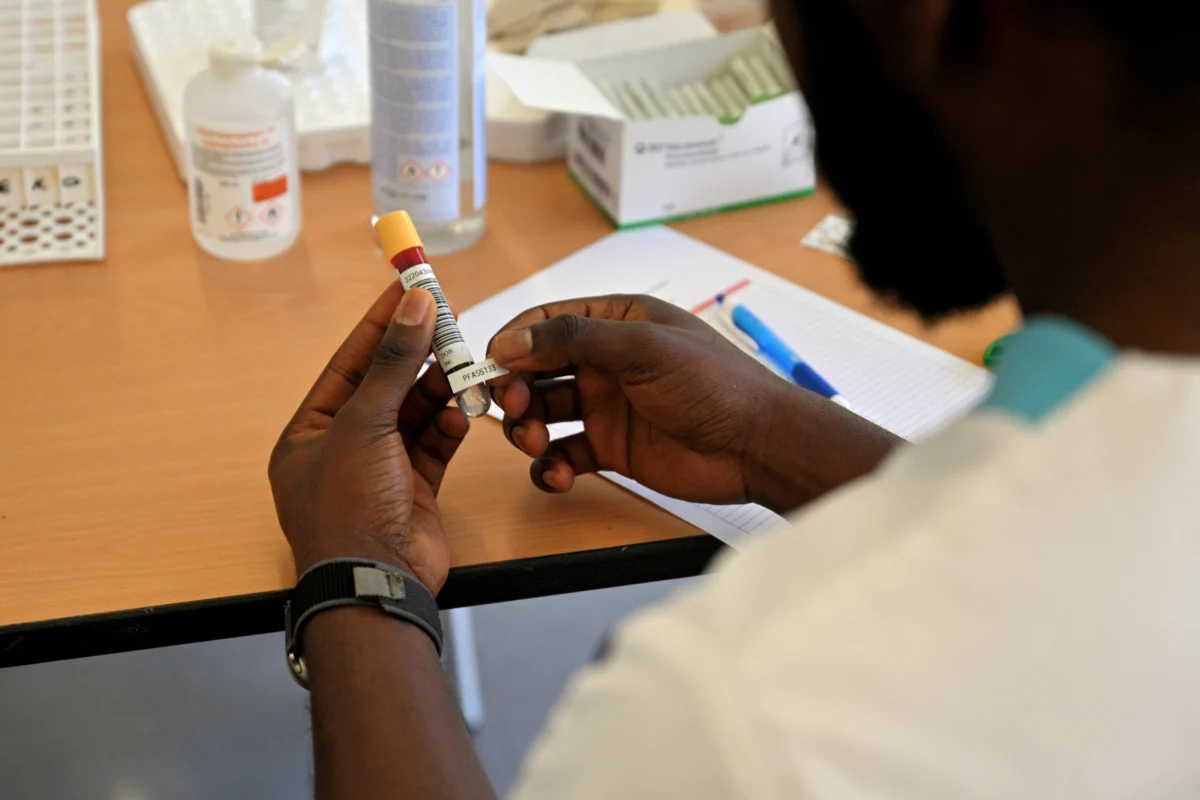
"For the first time, researchers are actively testing a medical intervention to reduce the body burden of PFAS, offering a glimmer of hope to communities long grappling with widespread contamination and its health implications."
Emory University has initiated a groundbreaking five-year clinical trial in northwest Georgia, aiming to determine if a widely prescribed medication can effectively lower levels of per- and polyfluoroalkyl substances (PFAS), notoriously known as "forever chemicals," already present in human blood. This ambitious study targets adults residing in the Rome and Calhoun areas, regions historically impacted by extensive use of stain-resistant chemicals in the local carpet industry, leading to significant environmental contamination. The trial represents a crucial step forward in addressing the lingering health concerns of residents exposed to these persistent pollutants, moving beyond mere detection to actively seeking a therapeutic solution.
The scientific community has long been aware of the pervasive nature of PFAS, chemicals used in a vast array of consumer and industrial products for their water- and grease-repellent properties. Their remarkable stability, while beneficial in product performance, translates to extreme persistence in the environment and the human body, earning them the moniker "forever chemicals." Once introduced into the body, PFAS can remain for years, even decades, accumulating and potentially leading to a range of adverse health outcomes. The widespread contamination in areas like Rome and Calhoun, directly linked to industrial practices, underscores the urgent need for effective intervention strategies.
This five-year clinical trial, a significant undertaking funded by a substantial $6.57 million grant from the National Institute of Environmental Health Sciences, a part of the National Institutes of Health (NIH), is designed to investigate a novel approach to mitigating PFAS exposure’s lasting effects. The core of the research revolves around testing a common medication, identified by the Atlanta Journal-Constitution as a cholesterol-lowering drug. While the concept is innovative, researchers emphasize that the trial is in its nascent stages, and no definitive results are available yet. Crucially, there is currently no medically proven treatment specifically designed to reduce PFAS levels within the human body.
The impetus for this trial stems from a preceding Emory University exposure study conducted in the same communities. This earlier research, carried out by the Rollins School of Public Health, revealed a startling reality: nearly all of the approximately 200 residents whose blood was tested exhibited PFAS levels high enough to meet the criteria for prioritized medical screening, as outlined by the National Academies of Sciences, Engineering, and Medicine. These guidelines recommend heightened vigilance for conditions such as elevated cholesterol, thyroid dysfunction, and certain types of cancer, all of which have been associated with PFAS exposure. The findings from this initial study provided the critical data and community context necessary to justify the launch of a larger, interventional clinical trial.
The health implications of PFAS exposure are a growing concern for public health organizations worldwide. The Environmental Protection Agency (EPA) has established links between exposure to certain PFAS compounds and a spectrum of health issues, including an increased risk of specific cancers and developmental problems in children. The very persistence that makes these chemicals so enduring also means they can accumulate in organs and tissues over time, potentially leading to chronic health challenges. For families in Floyd and Gordon counties, the question has long been not just about the extent of their exposure, but whether any effective measures can be taken to reverse or mitigate the internal burden of these chemicals.
Emory environmental health professor Dana Barr articulated the significance of this research initiative, stating in the university’s announcement, "This project gives us an extraordinary opportunity to move beyond simply documenting PFAS exposure to actually doing something about it." This sentiment captures the critical shift from observational studies to active intervention, offering a tangible pathway toward improving the health and well-being of affected communities.
The legal landscape surrounding PFAS contamination has also seen significant developments. In a case highlighting the community’s struggle, a lawsuit filed against the city of Calhoun concerning PFAS in its drinking water was reportedly settled, as reported by Atlanta News First. While advancements in water treatment technologies can help curb future exposure by removing PFAS from water sources, they offer no solution for the chemicals already residing within individuals’ bodies. This is precisely where the Emory clinical trial seeks to make a difference.
The clinical trial is designed to enroll adults aged 18 and older who have resided in Gordon or Floyd County for a minimum of five years and are in generally good health. Certain conditions, such as recent hospitalizations or specific chronic ailments like advanced kidney disease or particular gastrointestinal disorders, may exclude individuals from participation. This careful selection process ensures the integrity of the study’s findings and the safety of its participants. Those interested in contributing to this vital research can initiate the process by completing the university’s online screening form or by contacting the research team via email at [email protected].
Researchers at Emory are touting this study as one of the first large-scale clinical trials to specifically explore a medical intervention for PFAS removal from the human body. This pioneering aspect of the trial marks a significant advancement in the field, acknowledging the profound knowledge gap that still exists regarding effective detoxification strategies for these persistent chemicals. The success of the trial will hinge not only on demonstrating a statistically significant reduction in blood PFAS levels among participants but also on proving whether these lower levels translate into tangible improvements in health outcomes, beyond mere laboratory markers.
Stephanie Eick, an Emory associate professor of epidemiology and environmental health, emphasized the profound impact this research could have: "They deserve answers about what can be done to reduce the levels already in their bodies." She further noted that the findings could potentially benefit PFAS-exposed communities across the United States and globally, highlighting the broad applicability and significance of this North Georgia-based initiative.
For the residents of Rome, Calhoun, and surrounding areas, particularly long-term inhabitants, expectant mothers, and families with young children who rely on local tap water, the implications of this trial are deeply personal. While the study offers a beacon of hope, health experts strongly caution against self-medication with cholesterol-lowering drugs in an attempt to reduce PFAS levels. Prescription medications carry inherent risks, including potential side effects and drug interactions, and there is currently no scientific evidence to support their efficacy or safety for PFAS reduction in the general population. Individuals considering participation in the trial are strongly encouraged to consult with their primary care physicians.
In the interim, residents can take practical steps to mitigate ongoing exposure. These include inquiring with their local water utility about the most recent PFAS test results and, if elevated levels are detected, considering the installation of a certified home water filter designed to effectively reduce PFAS. Furthermore, informing healthcare providers about long-term residence in the affected area is crucial. Clinicians can then leverage the guidelines provided by the National Academies of Sciences, Engineering, and Medicine to determine appropriate health screenings based on an individual’s exposure history and blood test results.
The enrollment process for the five-year trial is currently underway. Given the duration of the study, conclusive results are not expected for several years. The trial represents a significant investment in scientific inquiry and offers potential future solutions, but it does not provide an immediate answer for current concerns. Residents can proactively protect themselves by minimizing further exposure through vigilant water consumption and filtration, and for those eager to contribute to the development of a much-needed treatment, exploring participation in the Emory clinical trial is a valuable option. The journey to understanding and combating the pervasive threat of "forever chemicals" is long, but this trial marks a critical and hopeful stride forward.
