
"This decisive policy, born from a strong commitment to public health, marks a pivotal step in safeguarding the well-being and developmental trajectory of England’s children by directly addressing the pervasive risks associated with excessive caffeine consumption."
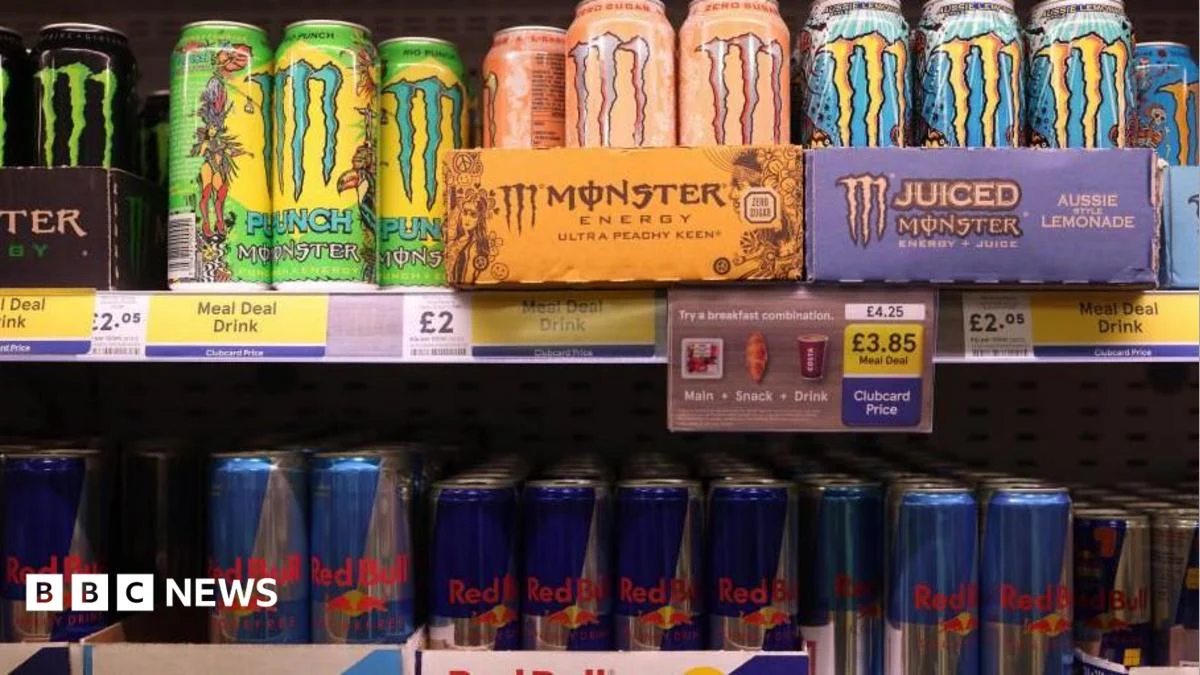
England is set to implement a significant public health measure, prohibiting the sale of high-caffeine energy drinks to individuals under the age of 16 starting this April. This landmark ban targets beverages exceeding 150mg of caffeine per litre, a threshold that encompasses popular brands like Red Bull, Monster, Relentless, and Prime. The legislation, which will apply across all retail environments—including shops, restaurants, cafes, vending machines, and online platforms—underscores a governmental resolve to mitigate widespread health concerns among young people, ranging from disrupted sleep and heightened anxiety to impaired academic performance and increased obesity rates.
The upcoming prohibition, which has garnered substantial support following a public consultation, is a direct response to growing concerns over the health and developmental impacts of high-caffeine energy drinks on a vulnerable demographic. Public Health Minister Sharon Hodgson articulated the government’s vision, stating that the ban "demonstrates our firm commitment to creating the healthiest generation of children ever." This move positions England at the forefront of countries taking proactive steps to regulate the sale of these beverages to minors, joining a global conversation about responsible consumption and corporate responsibility.
Understanding the Scope and Rationale of the Ban
The core of the new regulation focuses on caffeine content, specifically targeting drinks with more than 150mg per litre. This precise definition ensures that common, lower-caffeine soft drinks such as Diet Coke, along with traditional beverages like tea and coffee, remain unaffected. The distinction is crucial, as it differentiates between everyday consumption items and products specifically designed to deliver a potent caffeine boost, often marketed with imagery and branding appealing to younger demographics.
The rationale behind the ban is multi-faceted, rooted in extensive research and expert consensus regarding the unique physiological vulnerabilities of children and younger teenagers to caffeine. Unlike adults, whose bodies are typically larger and more developed, young people possess smaller body masses and still-developing neurological systems, making them more susceptible to the adverse effects of stimulants. Experts consistently highlight that children metabolize caffeine differently, leading to prolonged effects and a heightened risk of negative reactions.
Addressing a Spectrum of Health Concerns
One of the primary drivers for this policy is the alarming rate of consumption among minors. Estimates suggest that approximately 100,000 children in England consume energy drinks daily. This widespread intake is not without consequences, contributing significantly to a range of health and behavioural issues.
- Sleep Disruption: Caffeine is a potent stimulant that interferes with natural sleep cycles. For children, adequate sleep is paramount for physical growth, cognitive development, and emotional regulation. Regular consumption of high-caffeine drinks, particularly in the afternoons or evenings, can lead to insomnia, poor sleep quality, and a chronic lack of restorative rest.
- Increased Anxiety and Mood Disorders: The stimulating effects of caffeine can exacerbate feelings of anxiety, nervousness, and restlessness in children, whose developing brains are more sensitive to neurochemical fluctuations. In some cases, it can trigger panic attacks or worsen pre-existing anxiety conditions.
- Lack of Concentration and Poor School Results: While some might associate caffeine with improved focus, excessive intake in children can have the opposite effect. The "jitters" and subsequent crash can impair sustained attention, leading to difficulties concentrating in school, reduced academic performance, and behavioural issues in the classroom. The disruptive sleep patterns induced by caffeine further compound these cognitive deficits.
- Cardiovascular Risks: Though rare, severe caffeine overdose can lead to rapid heart rate, abnormal heart rhythms (arrhythmias), and even seizures. Children, especially those with undiagnosed heart conditions, are at a higher risk. Tragic instances linked to excess caffeine consumption, though infrequent, underscore the potential severity of these risks.
- Obesity and Dental Health: Beyond caffeine, many high-caffeine energy drinks are laden with sugar. These sugary versions contribute significantly to caloric intake, fueling the national childhood obesity crisis. The high sugar content also presents a substantial risk to dental health, promoting tooth decay and erosion, as highlighted by organisations like The Association of UK Dieticians.
The Policy’s Journey and Legislative Framework
The introduction of this ban is not an overnight decision but the culmination of a protracted policy debate. Measures to restrict the sale of energy drinks to minors were first proposed last year, building on years of advocacy from public health groups. Interestingly, a previous Conservative government had considered a similar ban in 2022 but ultimately scrapped the initiative, citing personal choice as a key factor. The current administration’s renewed commitment signals a shift towards a more interventionist public health stance, prioritizing the collective well-being of children over individual consumption choices in this specific context.
The ban is slated to come into effect via secondary legislation, leveraging powers granted under the Food Safety Act 1990. This legislative pathway allows for relatively swift implementation once parliamentary approval is secured. Local authorities will be tasked with enforcing the new rules, with businesses found in breach facing substantial fines of up to £2,500. This punitive measure underscores the seriousness with which the government intends to uphold the ban, placing a clear responsibility on retailers to verify the age of purchasers.
Stakeholder Perspectives: Support and Opposition
The policy has been met with a mix of strong support from public health advocates and staunch opposition from industry bodies.
Katharine Jenner, Executive Director of the Obesity Health Alliance, lauded the policy, calling the restriction of sales to children "at a vital time in their life" a matter of "common-sense." This perspective emphasizes the developmental stage of childhood as a critical window where protection from potentially harmful substances is paramount. Public health bodies consistently advocate for environments that support healthy choices, and this ban is viewed as a significant step in that direction. The strong public response to the consultation, with 1,100 submissions overwhelmingly backing age restrictions, further reinforces the public mandate for such a measure.
Conversely, the British Soft Drinks Association (BSDA) has voiced its disapproval, labelling the ban as "unnecessary." A spokesperson for the BSDA highlighted the industry’s existing voluntary commitments, which date back to 2010, not to market or promote energy drinks to under-16s. They also pointed to the current requirement for all high-caffeine beverages (excluding tea and coffee) to carry a label warning of their high caffeine content and stating they are "not recommended for children or pregnant or breast-feeding women." The industry’s argument rests on the premise that self-regulation and clear labelling are sufficient, and that a statutory ban constitutes an overreach.
However, public health proponents argue that voluntary measures, while a step in the right direction, have not been sufficiently effective in curbing consumption among minors. The continued high rates of daily consumption by children and the associated health issues suggest that stronger, legally binding interventions are necessary to achieve the desired public health outcomes.
Wider Context and Future Implications
The English ban is not an isolated policy; it reflects a growing international recognition of the need to regulate energy drink sales to minors. Northern Ireland, Scotland, and Wales are currently considering similar legislative actions, indicating a potential harmonized approach across the UK. Globally, several countries and jurisdictions have already implemented or are debating comparable restrictions, highlighting a collective movement towards protecting younger generations from the potential harms of these products.
For most adults, up to 400mg of caffeine a day—equivalent to about four cups of instant coffee or five cups of tea—is generally considered safe. This adult threshold starkly contrasts with the sensitivity of children, underscoring why specific protections are deemed necessary for minors.
The long-term implications of this ban are substantial. Beyond the immediate health benefits of reduced caffeine and sugar intake, the policy sends a powerful message about the government’s commitment to preventive health strategies. It reinforces the idea that certain products, despite being legal for adults, pose unique risks to children that warrant regulatory intervention. By curbing the availability of high-caffeine energy drinks, England aims to foster an environment where children can develop free from preventable health burdens, ultimately contributing to a healthier, more focused, and less anxious future generation. The success of this policy will likely be measured not only in terms of compliance but also in observable improvements in children’s sleep patterns, mental well-being, and academic engagement across the nation.
