
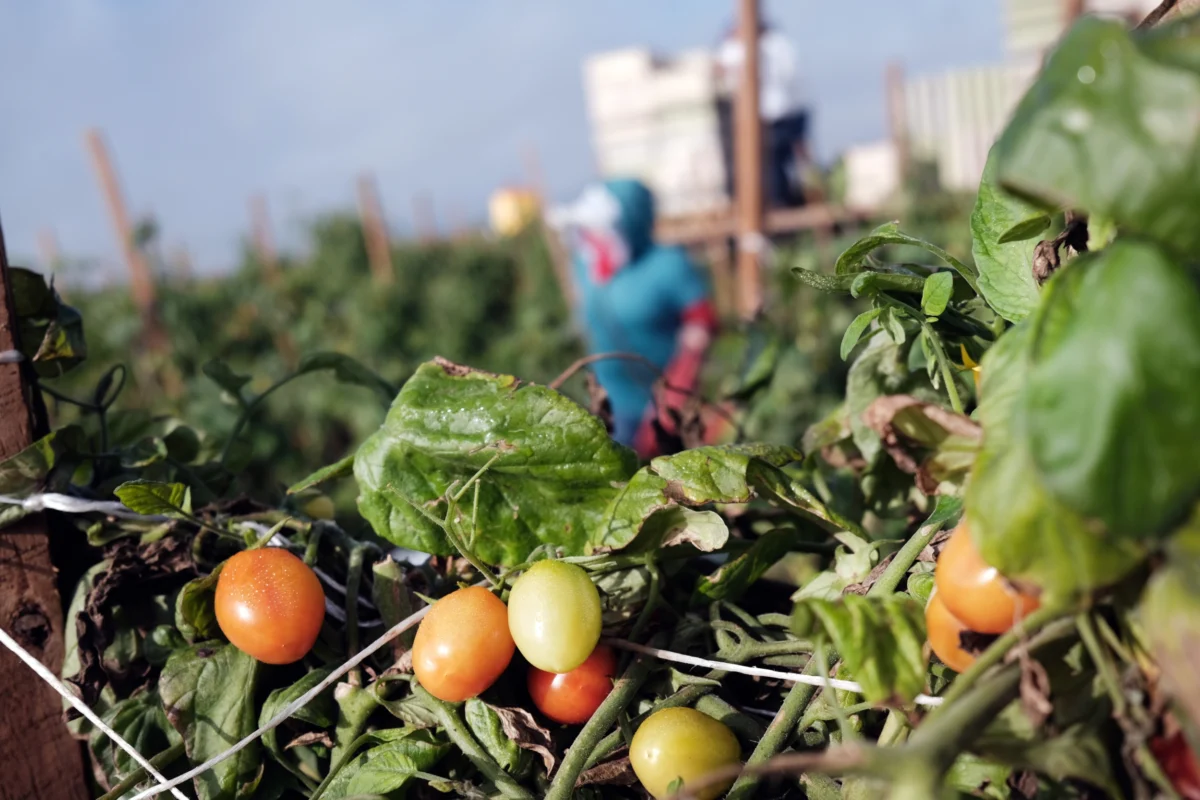
"Despite confirming jalapeños as the source of a widespread Salmonella outbreak, the FDA’s final report intentionally omits crucial details about the importer, grower, and ranch, leaving consumers and businesses in the dark about supply chain risks and accountability."
The U.S. Food and Drug Administration (FDA) has officially concluded its investigation into the summer’s Salmonella Javiana outbreak, identifying imported jalapeños distributed by Coast Citrus Distributors of San Diego as the definitive vehicle for the contamination. However, in a move that has drawn criticism and raised significant questions about transparency in the food supply chain, the agency has redacted the names of the specific supplier, the grower, and the ranch in Sinaloa, Mexico, where the implicated peppers were cultivated. This lack of transparency, reported by Food Safety News on November 13, 2026, occurs even as the Centers for Disease Control and Prevention (CDC) finalized its case figures for the outbreak on October 2, 2026. The report also reveals previously undisclosed findings from an FDA inspection, including a Form 483 issued for personnel, sanitation, and cross-contamination issues, and the subsequent placement of the firm on an import alert.
The FDA’s meticulously detailed final report on the summer’s Salmonella Javiana outbreak, released on November 13, 2026, has definitively identified imported jalapeños, distributed by Coast Citrus Distributors of San Diego, as the primary source responsible for sickening hundreds across the United States. This confirmation, however, is overshadowed by the agency’s decision to redact critical identifying information, including the names of the supplier, the grower, and the specific ranch located in Sinaloa, Mexico. This deliberate omission, first highlighted by Food Safety News, leaves a significant gap in the public’s understanding of the food safety infrastructure and the accountability of those involved in the imported produce pipeline. While the Centers for Disease Control and Prevention (CDC) had already finalized its epidemiological data, reporting 488 illnesses in 34 states with 65 hospitalizations by October 2, 2026, the FDA’s report sheds new light on the regulatory actions taken following the outbreak’s conclusion.
Unveiling Hidden Inspection Findings
Beyond confirming the jalapeño as the outbreak vehicle, the FDA’s report discloses previously unpublicized inspection findings. An FDA inspection team conducted a thorough review of the redacted firm between September 7 and September 15, 2026. The inspection resulted in the issuance of a Form 483, a document that outlines observations by FDA inspectors of conditions that may constitute violations of the Federal Food, Drug, and Cosmetic Act and related regulations. The summary explicitly states that the Form 483 noted issues related to "personnel, sanitation, and cross-contamination." This finding is particularly concerning as it suggests potential systemic problems within the firm’s operations that could have contributed to the contamination of the produce.
Following these observations, on September 24, 2026, the firm was added to the red list of Import Alert 99-35. This critical regulatory action empowers the FDA to detain shipments of the firm’s fresh produce at the U.S. border without requiring physical examination. This measure is a significant deterrent and a proactive step to prevent further contaminated products from entering the U.S. market, especially when the exact route of contamination remains unclear.
The Lingering Question of Accountability
For consumers, restaurants, and grocers, the FDA’s final report shifts the focus from "what made people sick" to "who supplied the contaminated product." The inability to identify the specific firm leaves businesses in a precarious position, as they cannot definitively determine if their supply chains have been exposed to products from the flagged importer. This lack of transparency hinders proactive risk management and makes it difficult to implement targeted preventative measures. Furthermore, the report does not specify whether the implicated firm has taken any corrective actions in response to the FDA’s findings or the outbreak itself, leaving a crucial aspect of remediation unaddressed.
Inspection Findings Released Post-Outbreak
The FDA’s executive summary regarding the jalapeño investigation is now posted on the agency’s comprehensive table of outbreak investigations, marking the jalapeño outbreak as officially closed. The initial alert to the FDA came on July 10, 2026, from its Minneapolis district emergency response coordinator, flagging a cluster of Salmonella Javiana cases that showed a signal for Chipotle Mexican Grill.
Through a combination of epidemiological evidence, which examines patterns of illness, and traceback records, which follow the path of food products from the point of sale back to their origin, the FDA identified jalapeños as the likely source. Notably, the contamination was not confirmed through a positive food sample. Testing of two retail jalapeño samples linked to both QDOBA and Chipotle locations, along with one environmental sample and four water samples, all yielded negative results for Salmonella. This underscores the complexity of foodborne illness investigations, where definitive proof can be elusive, and conclusions are often drawn from a confluence of evidence.
The investigation also revealed that the contamination was not confined to restaurant settings, with jalapeños sold at retail also identified as a source. In response to the findings, Coast Citrus Distributors initiated a limited recall on July 22, 2026, which was subsequently expanded on August 5, 2026, to encompass all remaining peppers from the implicated source. This recall action, while necessary, highlights the delayed impact of contaminated produce, as many downstream products incorporating the peppers had to be recalled later. It is important to note that a Form 483 does not represent a final agency determination of a violation; rather, it details observed conditions that inspectors believe may be inconsistent with food safety regulations. It does not, at that stage, establish how the contamination occurred.
Discrepancies in Federal Counts
A notable discrepancy exists between the case counts reported in the FDA’s summary and those released by the CDC. According to Food Safety News, the FDA summary indicates 488 illnesses across 38 states with 26 hospitalizations. In contrast, the CDC’s final outbreak notice from October 2, 2026, reports 488 illnesses in 34 states with 65 hospitalizations and no reported deaths, officially declaring the outbreak over. To date, neither federal agency has provided a public explanation for this divergence in reported figures. MedicalDaily is adopting the CDC’s figures as the official count pending any reconciliation by the agencies.
It is widely acknowledged that both reported counts likely understate the true scope of the outbreak. Many individuals experiencing mild symptoms of Salmonella infection may not seek medical attention or undergo diagnostic testing, meaning that confirmed cases represent only a fraction of the actual number of infections.
Unnamed Suppliers and the Imported Produce Pipeline
Previously, MedicalDaily reported that the outbreak concluded with the FDA unable to pinpoint the exact route of contamination. In its October 2, 2026, final outbreak advisory, the FDA stated it was unable to determine a specific route or source of contamination. While the newly released summary does not alter this conclusion regarding the exact contamination pathway, it does introduce the significant findings from the inspection and the subsequent import alert.
The FDA has not offered a public rationale for redacting the names of the implicated firm. This lack of transparency presents a significant challenge for restaurants and smaller grocers who source their produce from larger distributors. Without direct access to the identity of the flagged firm, these entities lack a clear mechanism to verify whether past shipments originated from the source that was identified as problematic.
This outbreak vividly illustrates the speed and reach with which a single contaminated source can impact numerous kitchens across the nation. Fresh peppers, originating from Sinaloa, Mexico, traveled through a U.S. distributor, reaching restaurants, grocery stores, and ultimately, consumers through various packaged products. The illnesses were reported in at least 34 states, demonstrating the extensive distribution network. The import alert now serves as the primary safeguard, allowing for the detention of shipments from the identified firm at the border, thereby mitigating future risks.
According to the CDC, certain demographic groups are at higher risk for severe illness from Salmonella. These include children under the age of five, adults aged 65 and older, and individuals with weakened immune systems. These populations are more susceptible to complications, making prevention and swift medical attention crucial.
Kitchen Precautions and the Next Javiana Investigation
As the jalapeño outbreak is now concluded and the implicated fresh peppers are unlikely to be available for sale due to their short shelf life, the immediate risk has diminished. However, ongoing vigilance in food preparation remains paramount. Standard food safety practices, such as rinsing produce under running water, thoroughly washing cutting boards and knives after use, maintaining separation between produce and raw meats, and promptly refrigerating cut produce, are essential for lowering everyday risks of foodborne illness.
Salmonella typically manifests with symptoms including diarrhea, fever, and stomach cramps, appearing anywhere from six hours to six days after exposure. Most individuals recover within four to seven days. However, severe symptoms such as bloody diarrhea, high fever, or signs of dehydration warrant immediate medical attention.
Separately, the FDA is actively investigating a new Salmonella Javiana outbreak involving 70 illnesses, with no identified food source at this time. Officials have explicitly stated that this new outbreak has not been linked to the jalapeño outbreak. MedicalDaily will continue to monitor this developing situation and will report any significant updates, including whether the FDA identifies the redacted firm, removes it from the import alert, or identifies a source in the new investigation.
Investigation Timeline
- November 13, 2026: The FDA’s executive summary, posted to its outbreak table, confirms jalapeños as the outbreak vehicle and discloses the issuance of a Form 483 noting personnel, sanitation, and cross-contamination issues, along with the firm’s placement on an import alert.
- October 2, 2026: The CDC officially declares the Salmonella Javiana outbreak over, reporting 488 illnesses across 34 states.
- September 24, 2026: The redacted source firm is added to the red list of Import Alert 99-35, allowing for detention of its shipments at the border.
- July 10, 2026: The FDA receives its initial notification of a Salmonella Javiana cluster with a potential link to Chipotle Mexican Grill.
Key Questions Answered
- What is new in the jalapeño Salmonella outbreak? The FDA’s final summary confirms jalapeños as the outbreak vehicle, reports a Form 483 detailing personnel, sanitation, and cross-contamination issues, and reveals the firm’s placement on an import alert on September 24, 2026.
- Why aren’t the grower and supplier named? The FDA has redacted these names and has not provided a public explanation for this decision.
- Did any sample test positive for Salmonella? No. All retail jalapeño samples, environmental samples, and water samples tested in connection with the outbreak were negative for Salmonella. The FDA’s conclusion was based on epidemiological evidence and traceback records.
- Why do the case counts differ? Food Safety News reported the FDA summary lists 38 states and 26 hospitalizations, while the CDC’s final notice indicates 34 states and 65 hospitalizations. Neither agency has publicly explained this discrepancy.
- Are jalapeños safe to eat now? The outbreak is over, and shipments from the implicated firm can now be detained at the border. Standard produce washing and diligent kitchen hygiene practices remain crucial for minimizing risk.
- Is the new Salmonella Javiana outbreak related? Officials have not established any link between the new outbreak of 70 illnesses and the previous jalapeño outbreak, and no food source has been identified for the new investigation.
