
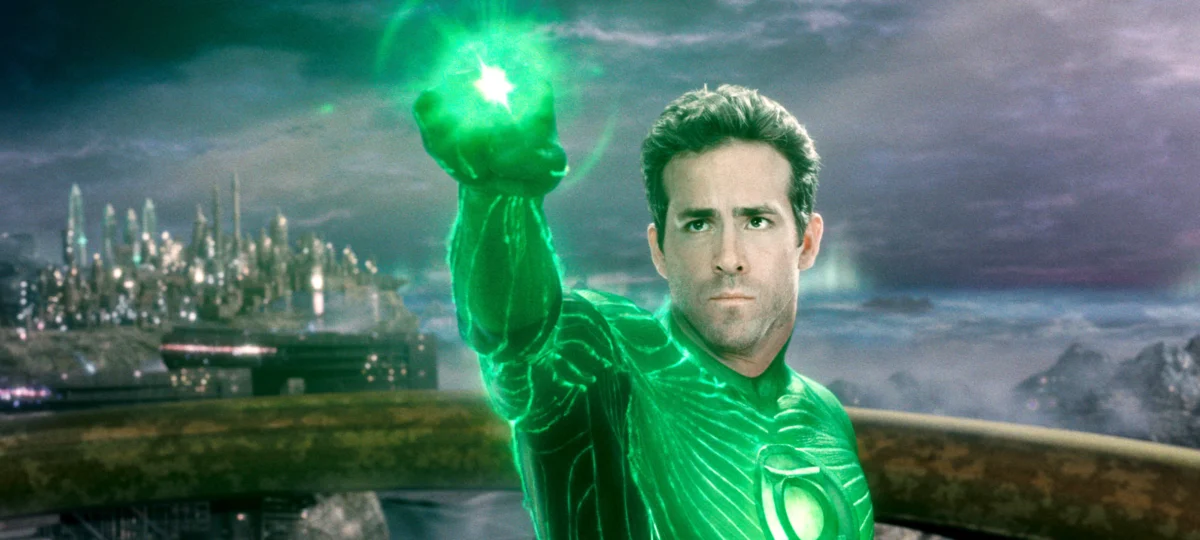
"The redemption of the Green Lantern franchise through HBO’s Lanterns demonstrates that high-concept superhero lore is most effective when grounded in character-driven mystery rather than over-reliance on digital spectacle. While the 2011 film remains a definitive example of stylistic and narrative overreach, the shift toward a gritty, terrestrial thriller format proves that even the most ‘unfilmable’ characters can thrive with the right tonal approach."
The evolution of film criticism and audience perception often allows for the "hidden gem" phenomenon—the late-stage discovery of merit in projects once dismissed by the zeitgeist. This cultural re-evaluation has successfully reclaimed films like 2001’s Josie and the Pussycats, transforming them from box-office failures into celebrated cult classics. However, as the superhero genre enters a new era of prestige television, some projects remain resistant to such revisionism. The 2011 Green Lantern film, despite the success of its successors in the medium, serves as a permanent case study in the pitfalls of early 2000s blockbuster filmmaking, providing a stark contrast to the sophisticated storytelling found in modern adaptations like HBO’s Lanterns.
The Art of the Cinematic Discovery
For the dedicated film enthusiast, the landscape of cinema is an endless frontier of potential discovery. Even for those who attempt to consume every major release, the sheer volume of production ensures that certain works will inevitably "slip through the cracks." This creates a unique opportunity for retrospective appreciation. There are three primary categories of discovery: the "heard-it-was-good" classic that lived up to the hype, the "terrible" movie that possesses hidden merit, and the "ahead-of-its-time" project that was misunderstood upon its initial release.

A prime example of this third category is the 2001 Josie and the Pussycats movie. Initially branded as a commercial failure with middling critical reception, the film has undergone a massive reputational shift in recent years. To a modern viewer, the film is no longer just a colorful adaptation of a Cartoon Network staple; it is a sharp, biting satire of consumerism and the music industry. With "Oscar-worthy" comedic performances from Parker Posey and Alan Cumming, alongside a soundtrack of genuinely well-crafted pop-punk anthems, the movie proved to be far more intellectual than its marketing suggested. It stands as a testament to the idea that some films require a decade or two for the audience’s perspective to catch up with the creator’s intent.
The Green Lantern Stigma
The same cannot easily be said for the 2011 Green Lantern movie. For a generation raised on the Justice League animated series, the character of the Green Lantern represented a pinnacle of cosmic heroism. When the live-action adaptation was announced starring Ryan Reynolds, expectations were high. However, upon release, the film was pummeled by critics and audiences alike, earning a reputation so toxic that even its lead star has spent the subsequent decade using the project as a recurring punchline in his other work.
The film follows Hal Jordan (Reynolds), a cocky test pilot who is granted a powerful ring by a dying alien, Abin Sur, making him the first human member of an intergalactic police force. On paper, the cast was formidable: Blake Lively played love interest Carol Ferris, Peter Sarsgaard took on the role of the eccentric villain Hector Hammond, and the supporting cast included heavyweights like Tim Robbins and Angela Bassett (the latter playing Amanda Waller, a character who would become a staple of later DC iterations).
Despite the talent involved, the movie famously "fell off the rails" the moment it left Earth. The transition from a grounded story about a pilot to a cosmic epic resulted in a visual landscape dominated by what many described as "ugly green CGI nonsense." The script, burdened by the need to explain complex intergalactic lore, resorted to platitudes and clichés that stripped the characters of their humanity.

The Structural Failure of the Origin Story
One of the most significant issues with the 2011 film was its pacing. Though the movie clocked in at under two hours, it suffered from the "origin story drag" that plagued many superhero films of its era. By spending the majority of its runtime explaining how Hal Jordan got his powers and training him in a digital void, the film left little room for actual heroics or character development.
The film’s biggest sin was that it felt "stuck in the mud." While sequels often feel more vibrant because the hero is already established, the original Green Lantern never found its footing. It struggled to balance the "Space Cop" archetype—a concept that can be compelling if handled with gravity—with the campy requirements of a summer blockbuster. The result was a film that felt both overstuffed and hollow, leading Warner Bros. to distance itself from the franchise for nearly fifteen years.
The HBO Redemption: Lanterns
The tide finally turned with the release of HBO’s Lanterns. Unlike the 2011 film, which attempted to build a universe through spectacle, Lanterns opts for a grounded, procedural thriller approach. The series focuses on Hal Jordan (played by Kyle Chandler) and John Stewart (played by Aaron Pierre), moving away from the "cocky rookie" trope and instead presenting a veteran-and-trainee dynamic that feels earned and organic.
Lanterns succeeds where the movie failed by integrating Green Lantern lore into a compelling mystery. Rather than using CGI to explain the power of the Green Lantern Corps, the show allows the characters to relay the history of the rings through intimate dialogue and high-stakes situations. For instance, when Hal Jordan recounts his origin, it is done within the context of a conversation with Stewart, making the information feel like vital character building rather than a Wikipedia entry read aloud.

Furthermore, the series manages to weave in broader DC Universe elements—such as Nathan Fillion’s Guy Gardner, who debuted in the 2025 Superman film—without losing its focus on the central narrative. It creates a world where the stakes feel tangible and the tension is palpable, proving that the "Space Cop" concept works best when the "Cop" part of the equation is taken seriously.
The Challenge of the Cosmic Hero
The Green Lantern remains one of the most difficult characters in the comic book pantheon to adapt for the screen. The power to create anything out of "hard light" via a ring fueled by willpower is a concept that easily slides into the realm of the ridiculous if the visual effects or the tone are slightly off. The 2011 film fell into this trap, relying on a digital suit and environments that lacked physical weight.
The success of the HBO series suggests that the key to the character is not the ring itself, but the man wearing it. By focusing on the psychological toll of the job and the detective work required of a galactic protector, Lanterns has managed to wash away the "stigma" of the 2011 disaster. It treats the source material with a level of respect that the movie, for all its budget, failed to achieve.
Conclusion: A New Horizon for the Corps
The journey of the Green Lantern franchise serves as a reminder of the importance of medium and tone in storytelling. While some movies, like Josie and the Pussycats, are eventually vindicated by time, others serve as necessary failures that pave the way for better interpretations. The 2011 Green Lantern was a "fiasco" that forced the powers that be to rethink how cosmic heroes should be presented to a modern audience.

Today, the "superhero gods" have provided a path forward. HBO’s Lanterns has not only redeemed the characters of Hal Jordan and John Stewart but has also proven that there is still a massive appetite for this world when it is handled with care. For those curious about the history of the franchise, the 2011 film remains a fascinating artifact of a different era—a reminder of how far the genre has come and how much it has learned from its mistakes. Whether the Green Lanterns eventually return to the big screen or remain the crown jewel of HBO’s lineup, their future has never looked brighter.
