
"Reclaiming one’s life from cycles of excessive partying and self-neglect is a testament to resilience, proving that structured exercise and professional therapy offer a powerful pathway to renewed self-confidence and holistic well-being. This journey illuminates the profound impact of intentional self-care on mental and physical health."
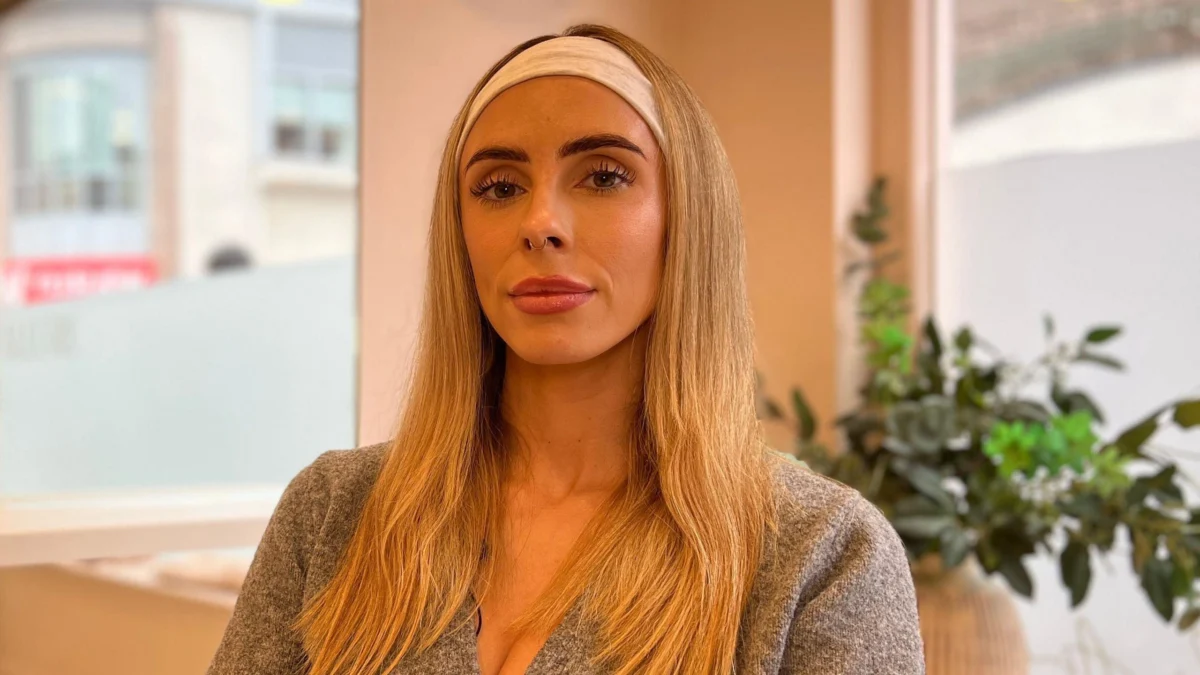
The story of Meg Hamon, a Jersey resident, offers a compelling illustration of how dedicated commitment to personal well-being can facilitate a profound transformation. Having found herself increasingly reliant on a lifestyle centered around excessive partying and drinking, particularly exacerbated by the isolating conditions of the Covid-19 pandemic and a personal breakup, Hamon embarked on a significant journey of recovery. Her decision, catalyzed by the impending milestone of her 30th birthday, underscores a critical pivot towards prioritizing mental and physical health through consistent exercise and therapeutic intervention, ultimately leading to a remarkable restoration of self-confidence and a more balanced life.
Meg Hamon’s struggle with self-confidence and an escalating dependence on social partying and alcohol began to take root during a period of global upheaval and personal distress. The Covid-19 pandemic, a time marked by widespread anxiety, isolation, and disruption to routine, proved to be a fertile ground for the development of unhealthy coping mechanisms for many. For Hamon, this period coincided with a challenging personal breakup, compounding her emotional vulnerability. She openly admits that she had neglected both her mental and physical health, a common consequence when individuals use external activities or substances to numb internal pain or avoid processing difficult emotions. This cycle of avoidance, often disguised as social engagement, can gradually erode self-esteem and foster a sense of being trapped.

The turning point arrived at the start of the current year, spurred by a reflective moment as her 30th birthday approached. This milestone served as a powerful impetus for Hamon to critically assess her lifestyle and acknowledge the deep-seated unhappiness beneath the surface of her outward partying. Recognizing the need for a fundamental shift, she committed to a multi-faceted approach to wellness, integrating regular physical activity with professional psychological support.
Exercise emerged as a cornerstone of Hamon’s recovery. She embraced activities such as structured gym workouts and running, finding that these physical pursuits offered far more than just physiological benefits. The consistent engagement in exercise provided a tangible sense of accomplishment, discipline, and control – elements often lacking in a life dominated by impulsive partying. Physiologically, exercise is well-documented for its capacity to release endorphins, natural mood elevators that can alleviate symptoms of anxiety and depression. Psychologically, the routine and challenge of physical activity can foster a stronger mind-body connection, improve body image, and build resilience. For Hamon, the impact was profound, directly contributing to a significant boost in her self-confidence. "Exercise has helped me massively with my confidence… If I’m ever feeling low, a good gym session will always help," she shared, highlighting the immediate and sustained positive feedback loop that physical activity provides.
However, Hamon’s journey was not solely reliant on physical exertion. Acknowledging that her struggles had deeper roots, she also sought the guidance of a therapist, Sally Agathangelou. This dual approach of addressing both the physical and psychological dimensions of her well-being proved to be crucial for comprehensive recovery. Therapy provided a safe and structured environment for Hamon to unpack and process the unresolved emotions stemming from her breakup and the broader self-neglect she experienced. It offered tools and strategies for understanding the underlying motivations behind her reliance on partying and drinking, and for developing healthier coping mechanisms.
Therapist Sally Agathangelou offers valuable professional insight into the nature of such struggles. She characterizes excessive behaviors – whether drinking, gambling, drug use, or self-harm – as "bridges for coping." This metaphor powerfully illustrates that these actions are often not the core problem but rather symptomatic responses to deeper emotional pain, trauma, or unmet needs. Individuals use these "bridges" to temporarily escape or manage overwhelming feelings they are unable to process constructively. Agathangelou emphasizes that while she provides support and guidance, the ultimate responsibility for change rests with the individual. "I can support, but it’s down to them at the end of the day to make that change," she states, underscoring the vital role of personal agency in the recovery process.

Agathangelou also highlights a positive trend among younger generations, noting their increased openness to therapy. "I’m really quite proud of this generation because they are very open to therapy," she remarked. This shift signifies a growing societal awareness of mental health issues and a reduction in the stigma historically associated with seeking professional psychological help. Platforms like social media, while sometimes contributing to pressures, have also facilitated discussions around mental health, making therapy appear more accessible and normalized for many young adults. This cultural evolution is critical in encouraging individuals like Hamon to seek the necessary support without shame.
Hamon’s willingness to share her personal experiences on social media is a testament to her renewed confidence and a desire to contribute positively to the lives of others. Her candidness serves a dual purpose: it reinforces her own commitment to her new lifestyle and provides inspiration for those who might be navigating similar challenges. "If it inspires one person to make a change, then I think it’s really important to do that as well," she explained. This act of advocacy transforms her personal journey into a public message of hope, demonstrating that breaking free from detrimental cycles is achievable. She strongly advises against remaining "stuck in the same cycle," advocating for the exploration of "so many other things to do than going out and just drinking excessively." Her message resonates with many who feel trapped by social pressures or habitual behaviors, offering a tangible alternative focused on self-improvement and genuine well-being.
The Covid-19 pandemic undeniably created a challenging environment that saw a surge in mental health issues and a rise in alcohol consumption for many. The enforced isolation, economic uncertainties, and fear contributed to heightened stress and a search for solace, often found in readily available coping mechanisms like alcohol. Hamon’s experience is therefore not isolated but rather reflective of a broader societal struggle. Her recovery narrative serves as a powerful reminder that while external circumstances can exacerbate personal difficulties, internal fortitude combined with appropriate support systems can lead to profound and lasting positive change.
Meg Hamon’s transformation underscores the interconnectedness of physical and mental health. Her journey illustrates that true well-being is often achieved through a holistic approach, where exercise provides not only physical strength but also mental clarity and emotional regulation, while therapy addresses the underlying psychological complexities. The combination created a robust framework for her recovery, enabling her to process past pain, build resilience, and cultivate a healthier, more fulfilling future. Her story is a beacon for others, demonstrating that even when feeling "stuck," the courage to seek help and commit to self-care can pave the way for a life of purpose and renewed self-worth.
