
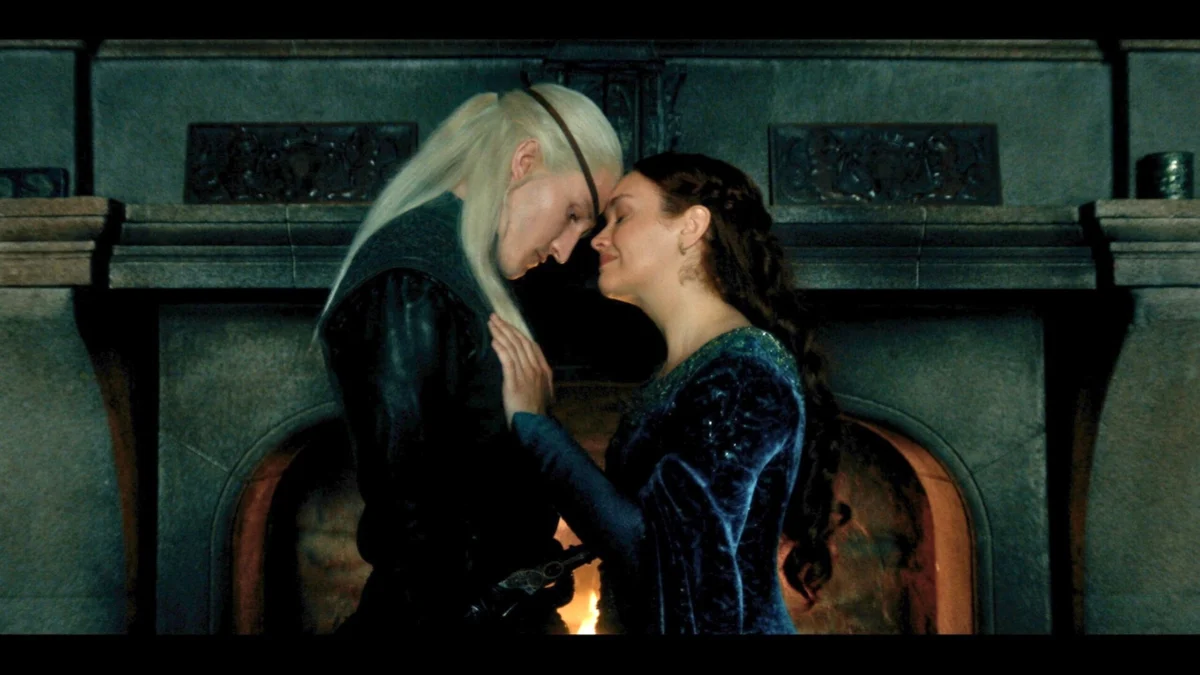
"By reclaiming the high-stakes political intrigue and visceral dragon warfare of its predecessor, Season 3 of House of the Dragon successfully bridges the gap between prequel experimentation and the classic Game of Thrones grandeur."
The cultural landscape of prestige television has long been dominated by the shadow of Westeros, a world defined by its brutal realism and complex power dynamics. Following a divisive conclusion to the original Game of Thrones series in 2019, the franchise faced the monumental task of rebuilding trust with a global audience. While the first two seasons of House of the Dragon laid the necessary groundwork by establishing the fractured lineage of House Targaryen, Season 3 represents a definitive turning point, shifting from the slow-burn tension of diplomatic failure to the catastrophic reality of total war. This evolution marks a return to the "vintage" storytelling that originally defined the brand, blending intimate character studies with the massive, cinematic scale of dragon-led combat.
The Long Shadow of the Iron Throne
To understand the significance of House of the Dragon’s third season, one must first look back at the "peculiar energy" that surrounded the series at its inception. In 2019, the series finale of Game of Thrones left a portion of the fanbase disillusioned, casting a pall over the announcement of future spin-offs. The lead-up to the first season of House of the Dragon was met with a muted enthusiasm, as viewers questioned whether the magic of George R.R. Martin’s world could be recaptured without the original ensemble.
However, the premiere of the prequel series quickly dispelled these doubts. By transporting viewers several hundred years into the past—to an era where dragons were not a myth but a terrifying military reality—the show reminded audiences of the core elements that made the franchise a phenomenon: political strategizing, extreme violence, and the moral ambiguity of its protagonists. Season 1 succeeded by making the conflict personal, focusing on the deteriorating friendship between Rhaenyra Targaryen and Alicent Hightower.

Navigating the Sophomore Slump
Despite the success of the debut, Season 2 faced its own set of challenges. While it maintained high production values and critical acclaim, some viewers found the narrative arc to be somewhat "flat." The season leaned heavily into the psychological toll of the impending war, focusing on the grief and hesitation of its lead characters. This deliberate pacing led to a finale that left some of the audience underwhelmed, as the anticipated "Dance of the Dragons" seemed to be perpetually on the horizon rather than in the immediate foreground.
This set the stage for Season 3 to act as a corrective. The "muted" enthusiasm that preceded the third installment was quickly replaced by a sense of urgency. The showrunners, led by creator Ryan Condal, appeared to have learned from the feedback of the previous year, choosing to launch the new season with a level of intensity that mirrors the peak seasons of the original Game of Thrones.
The Return of the Epic: The Battle of the Gullet
Season 3 discards the hesitation of its predecessor, opening with a sequence that will likely be remembered as a high point in fantasy television: The Battle of the Gullet. Featured in the very first episode, this engagement is a massive, multi-front conflict that spans both air and sea. It represents the first time the show has fully unleashed the destructive potential of its dragons in a naval context, providing a spectacle that is as beautiful as it is horrific.
The Battle of the Gullet is more than just a visual achievement; it is a narrative pivot. By placing established characters on the backs of fire-breathing beasts in the middle of a chaotic maritime slaughter, the show raises the stakes to an atmospheric level. It signals to the audience that the time for negotiation has passed and the "endgame" has begun. This "old-school" approach to the narrative—where major events occur "right from the jump"—restores the sense of unpredictability that made the franchise a staple of Monday morning watercooler conversations.
The Road to the Series Finale
With the announcement that House of the Dragon will conclude with Season 4, the pressure on Season 3 to provide a satisfying bridge to the finale is immense. Ryan Condal is tasked with "landing the plane" for one of the most expensive and scrutinized shows in television history. This season serves as the penultimate chapter, requiring a delicate balance between resolving existing subplots and escalating the central conflict to its breaking point.

The shift in tone for Season 3 suggests a focused commitment to the source material while expanding the emotional depth of the characters. We see Rhaenyra Triumphant and the fallout of the "Queen’s Landing," titles that suggest a shifting tide in the war for the Iron Throne. The inclusion of episodes like "Tumbleton" and "Faceless Men" hints at a widening of the scope, involving more of the geography and lore of Westeros that fans have come to crave.
Technical Prowess and Cultural Impact
Beyond the writing, the "expensive" look of the show remains one of its greatest assets. The visual effects required to render multiple dragons in a single frame, each with distinct physical traits and personalities, represent the cutting edge of digital artistry. Furthermore, the costuming and set design continue to build a world that feels lived-in and historically grounded, despite its fantastical elements.
The cultural impact of the show continues to grow as it recaptures the "vintage" feeling of appointment viewing. In an era of binge-watching and fragmented media, House of the Dragon remains one of the few properties capable of unifying a global audience for a singular weekly event. The ritual of watching on Sunday nights and dissecting the "ins, outs, and everything in between" on Monday mornings remains a cornerstone of modern television consumption.
Season 3 Release Schedule and Viewing Guide
To ensure that fans do not miss a moment of the escalating conflict, HBO has maintained a consistent release strategy. Episodes are broadcast on the primary HBO cable channel and made available for streaming on Max simultaneously. This synchronized release caters to both traditional cable subscribers and the growing digital audience.
The season consists of eight episodes, a structure that allows for a tighter, more propulsive narrative than the traditional ten-episode format. As of the current trajectory, the season is moving toward a climactic finish in early August.

Complete Season 3 Schedule:
- Episode 1, "Salt and Sea, Fire and Blood" – Premiered June 21: Established the maritime stakes and the brutal reality of dragon warfare.
- Episode 2, "Queen’s Landing" – Premiered June 28: Explored the political fallout of the season opener and the shifting allegiances within the Red Keep.
- Episode 3, "Rhaenyra Triumphant" – Premiered July 5: A pivotal moment for the Black Queen as she secures a strategic victory.
- Episode 4, "Tumbleton" – Premiered July 12: A major land engagement that showcases the devastation of the Targaryen civil war on the common folk.
- Episode 5, "Unbowed and Unbent" – Premiered July 19: Focused on the resilience of the various houses caught in the crossfire.
- Episode 6, "Faceless Men" – Premiered July 26: Introduced deeper elements of the world’s mythology and the creeping influence of external threats.
- Episode 7, "TBA" – Airing August 2: Expected to set the stage for the season’s final confrontation.
- Episode 8, "TBA" – Airing August 9: The season finale, intended to provide a bridge into the fourth and final season.
Conclusion
Season 3 of House of the Dragon is a testament to the resilience of the Westeros mythos. By embracing the epic scale, complex morality, and high-stakes drama of its predecessor, it has successfully moved beyond the "muted energy" of its early days. As the series marches toward its inevitable conclusion in Season 4, it remains a towering example of what is possible when high-budget production meets disciplined, character-driven storytelling. For the viewership that has followed this journey since 2011, this season is more than just a prequel; it is a return to the heart of what makes this world so enduring.
