
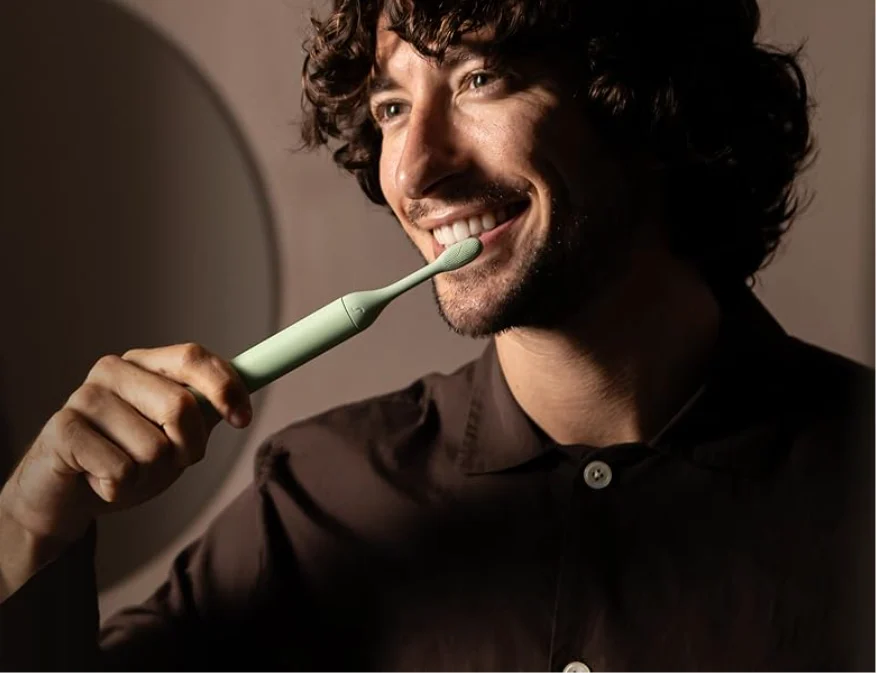
"Switching from a manual to an electric toothbrush provides a 21 percent greater reduction in plaque and an 11 percent decrease in gingivitis risk, effectively automating the precision required for optimal oral health."
While the manual toothbrush has remained a staple of personal hygiene for centuries, the transition to electric technology represents a significant leap in preventative care. By utilizing high-frequency vibrations and oscillating movements, electric toothbrushes compensate for human error, ensuring that the two-minute brushing window is used with maximum efficiency. This evolution in grooming is not merely about convenience; it is a clinical upgrade that addresses the mechanical limitations of manual brushing, providing a level of plaque disruption that is physically impossible to achieve by hand.

The Evolution of the Tool
In 1965, Bob Dylan famously transitioned from the acoustic guitar to the electric, a move that fundamentally altered the landscape of American music. In the world of personal grooming, the shift from a manual to an electric toothbrush carries a similar weight. While the manual toothbrush is a reliable, cost-effective tool that requires no batteries and fits easily into a travel kit, it is increasingly viewed by dental professionals as an "acoustic" instrument in a digital age. It works, but it lacks the power and precision of its powered counterparts.
A roundtable of leading dentists confirms a clear consensus: electric toothbrushes are superior by a significant margin. In almost every other sector of modern life—from transportation to home appliances—electric innovations have outperformed their manual predecessors. Electric cars offer greater efficiency, and electric razors provide speeds and closeness that traditional blades cannot match. In the context of oral hygiene, the electric toothbrush is the definitive tool for those seeking better results with less physical effort. As Dr. Joseph Field, DDS, notes, the transition is a "no-brainer" for anyone serious about long-term dental health.
The Plaque Removal Powerhouse
The primary objective of brushing is the disruption of plaque, the sticky biofilm of bacteria that causes cavities, gum disease, and halitosis. The mechanical advantage of an electric toothbrush lies in its sheer volume of movement. A standard manual brush allows for approximately 200 strokes per minute, depending on the user’s speed and dexterity. In contrast, a high-end sonic toothbrush, such as the Quip Ultra, can deliver over 60,000 brush strokes per minute.

This disparity in speed translates directly to clinical outcomes. A landmark study revealed that users who switched to electric models saw a 21 percent reduction in plaque after three months of use. Furthermore, the risk of gingivitis—the early stage of gum disease—dropped by 11 percent.
Electric toothbrushes generally fall into two technological categories: oscillating-rotating and sonic. Oscillating brushes, pioneered by brands like Oral-B, feature small, circular heads that spin and pulsate to mechanically break up plaque. Sonic brushes, such as those from Philips Sonicare or SURI, utilize high-frequency vibrations to create "fluid dynamics." This process sends water and toothpaste deep into the interproximal spaces between teeth and along the gumline, cleaning areas that bristles cannot physically touch. According to Dr. Jon Marashi, DDS, neither technology is objectively "better," but both are vastly more effective than manual brushing because they provide more consistent pressure and more comprehensive coverage.
Solving the "Two-Minute" Fallacy
One of the greatest challenges in oral hygiene is not the tool itself, but the user’s behavior. Dentists universally recommend brushing for at least two minutes, twice a day. However, studies of consumer habits suggest that most people significantly overestimate their brushing time, often stopping after just 45 to 60 seconds.

Brushing for less than the recommended time leaves significant amounts of plaque behind, particularly in hard-to-reach areas like the lingual surfaces (the back) of the teeth and the rear molars. Electric toothbrushes solve this psychological and behavioral gap through built-in haptic timers. Most models feature a "quadpacer," which pulses every 30 seconds to signal that it is time to move to the next quadrant of the mouth: upper right, upper left, lower right, and lower left.
Premium models have taken this a step further. The Oral-B iO Series 10 and the Philips Sonicare DiamondClean now integrate with smartphone apps via Bluetooth. These apps provide real-time 3D mapping of the mouth, showing the user exactly which areas they have missed. By gamifying the process and providing objective data, these tools ensure that the two-minute rule is followed with clinical accuracy.
Perfecting Technique and Protecting Gums
Beyond time, the technique of brushing is where most manual users fail. A common mistake is "scrubbing"—using a vigorous, back-and-forth motion with high pressure. This habit can be destructive, leading to enamel erosion and gingival recession (receding gums). Once gum tissue is lost, it does not grow back, often necessitating expensive and painful grafting procedures.

Dr. Joyce Kahng, a cosmetic dentist, points out that even those who know the correct technique—gentle, circular motions angled at 45 degrees toward the gumline—often forget it when they are tired in the morning or late at night. Electric toothbrushes remove this variable. The motor provides the necessary action, requiring the user to simply guide the brush head along the teeth.
Crucially, many modern electric brushes include pressure sensors. If a user presses too hard, the brush will slow down or illuminate a red warning light. Dr. Field describes the pulsating action of an electric brush as a "jackhammer for plaque," driving bristles into crevices and below the gumline to loosen buildup that a manual brush would simply glide over.
Expert Recommendations and Sustainability
For those looking to make the switch, the market offers various options tailored to different needs, ranging from sustainability to high-tech performance.

The Sustainable Choice: SURI 2.0
For environmentally conscious consumers, the SURI 2.0 has become a favorite among professionals like Dr. Marashi. Traditionally, electric toothbrushes have been criticized for their plastic waste. SURI addresses this with plant-based cornstarch brush heads and castor oil bristles. Its body is made of durable, recyclable aluminum, and it boasts a 40-day battery life, making it both sleek and eco-friendly.
The High-Tech Standard: Oral-B iO Series 10
The Oral-B iO Series represents the pinnacle of oscillating technology. It uses a frictionless magnetic drive system to distribute energy to the tips of the bristles, creating micro-vibrations. Dr. Kahng recommends this model for its superior contouring around the gumline and its advanced pressure sensors, which are vital for preventing gum damage.
The Sonic Specialist: Philips Sonicare DiamondClean
The DiamondClean is the gold standard for sonic technology. With five different brushing modes—including "Clean," "White+," and "Gum Health"—it allows users to customize their experience based on their specific dental goals. It is particularly effective for those with sensitive teeth, as the intensity levels can be adjusted to ensure a comfortable yet thorough clean.

The Accessible Option: Burst and Quip
For those who want the benefits of electric brushing without a high price point, the Burst Electric Toothbrush offers ultra-soft, charcoal-infused bristles and a convenient subscription model for replacement heads. Similarly, Quip offers a streamlined, lightweight design that is ideal for travelers or those transitioning from manual brushes who prefer a familiar form factor.
Conclusion: The Future of the Daily Routine
The consensus among dental experts is definitive: the manual toothbrush is a tool of the past. While it remains a functional backup, it cannot compete with the clinical advantages of electric power. By integrating timers, pressure sensors, and high-frequency movements, electric toothbrushes transform a mundane task into a sophisticated preventative health treatment.
Investing in an electric toothbrush is an investment in the longevity of one’s smile. As technology continues to advance, the gap between manual and electric results will only widen. For the modern consumer, making the switch is the simplest way to ensure that their oral hygiene routine is as effective as the science allows.
