
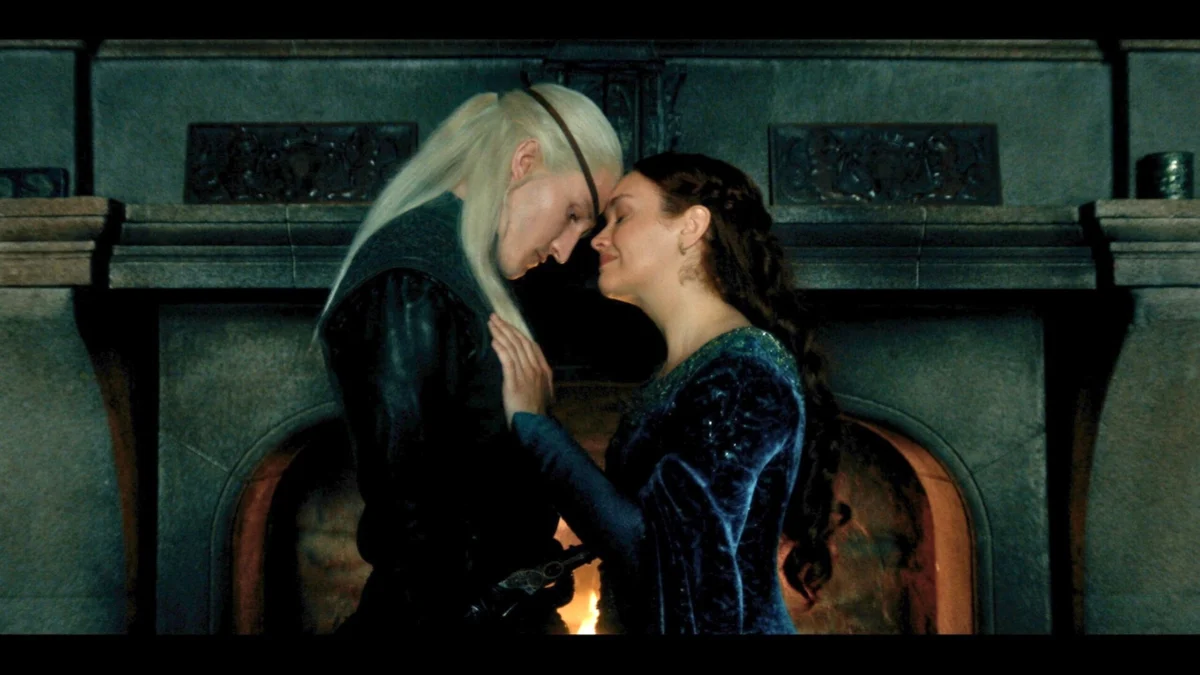
"By returning to the high-stakes kinetic energy of the ‘Battle of the Gullet’ in its opening moments, Season 3 of House of the Dragon successfully bridges the gap between political intrigue and the visceral spectacle that defined the peak of the Game of Thrones era."
Following a divisive second season that many critics and fans felt stalled the momentum of the Targaryen civil war, the third installment of the HBO prequel series has pivoted toward a faster, more traditional "Thrones-style" pacing. As the series approaches its definitive conclusion in Season 4, the stakes have shifted from diplomatic posturing to total aerial and naval warfare, setting the stage for a final act that promises to reconcile the franchise’s legacy with its new, dragon-led narrative.
The Long Shadow of the Iron Throne
There has always been a peculiar, almost cautious energy surrounding House of the Dragon. As the primary prequel series to HBO’s cultural behemoth Game of Thrones, it was born into a world that was still reeling from the polarized reception of the original show’s 2019 finale. For many, the "muted" anticipation ahead of the first season was a defense mechanism—a reluctance to get hurt again by a world that had once been the gold standard of prestige television, only to falter in its final sprint.

However, when the first season debuted, those reservations largely evaporated. The series immediately re-established the gravity of Westeros, offering a production that looked every bit as expensive as its reported $200 million budget. It wasn’t just the visual fidelity of the dragons or the sprawling sets of King’s Landing; it was the return to the dense, Shakespearean political strategizing and the complex, morally grey characters that made George R.R. Martin’s world a global phenomenon. House of the Dragon reminded audiences why they fell in love with the Seven Kingdoms in the first place, even as it carved out its own identity focused on the internal rot of the Targaryen dynasty.
The Pacing Pivot: From Season 2 to Season 3
The journey to Season 3 has not been without its turbulence. Season 2 arrived with immense hype, fueled by the fallout of Lucerys Velaryon’s death and the promise of "Blood and Cheese." While the season delivered moments of high drama and technical brilliance—most notably the Battle at Rook’s Rest—the overall narrative arc was perceived by some as flat. The season focused heavily on the psychological toll of the coming war, leading to a finale that left a segment of the viewership underwhelmed. The slow-burn approach, while rich in character development, felt at odds with the "Dance of the Dragons" source material, which is defined by rapid-fire conflict and catastrophic loss.
Entering Season 3, the creative team, led by showrunner Ryan Condal, appears to have internalized these critiques. The "muted" enthusiasm that preceded the premiere was quickly replaced by a sense of vintage Game of Thrones urgency. The decision to open the season with the Battle of the Gullet—one of the most significant naval and aerial engagements in the lore—served as a definitive statement of intent. By placing a major, fire-breathing conflict in the very first episode, the show signaled a departure from the "gathering of forces" phase and an entry into the "total war" phase.
The Battle of the Gullet and the Shift in Stakes
The Battle of the Gullet represents a turning point not just for the characters, but for the show’s production scale. Spanning both air and sea, the sequence involves the Triarchy’s fleet, the Velaryon blockade, and multiple dragons. It is a sequence that demands a level of visual effects coordination rarely seen on television. More importantly, it places characters the audience has grown to understand—such as Jacaerys Velaryon and Rhaenyra Targaryen—in immediate, life-threatening peril.

This "old-school" epicness is what defines Season 3. It balances the intimate family betrayals with the macro-scale consequences of the war. As Rhaenyra’s "Dragonseeds" (the common-born dragonriders introduced in Season 2) take to the skies, the power dynamics of Westeros are fundamentally altered. The season moves with a relentless momentum, touching on key locations like Tumbleton and the ever-shifting loyalties within the capital.
Navigating the Path to the Series Finale
With the confirmation that House of the Dragon will conclude with Season 4, the pressure on Season 3 to "land the plane" is immense. Ryan Condal and his writing team are tasked with a difficult balancing act: they must provide a satisfying payoff for the current conflicts while meticulously setting the pieces for the endgame.
The structural shift to an eight-episode format—a trend that began in Season 2—has forced the narrative to become leaner. While this has occasionally drawn criticism for feeling rushed, in Season 3 it has served to heighten the tension. Every episode feels vital, every council meeting carries the weight of impending doom, and every dragon flight feels like a potential final act for a beloved character. The "vintage" feel of this season suggests that the lessons of the past have been learned, focusing on the high-flying dragon combat and the intricate scheming that serves as the franchise’s heartbeat.
The Season 3 Release Architecture
For fans who want to ensure they don’t miss a moment of the "Dance of the Dragons," HBO has maintained a consistent release strategy. Episodes air on the linear HBO channel and become available for streaming on Max (formerly HBO Max) simultaneously on Sunday nights at 9 p.m. ET. This "appointment viewing" model continues to drive the Monday morning cultural conversation, as viewers dissect the "ins, outs, and everything in between."

The Season 3 schedule has been a rigorous march through the summer months, beginning in late June and culminating in the highly anticipated finale on August 9.
The Season 3 Episode Roadmap:
- Episode 1, "Salt and Sea, Fire and Blood" (June 21): The explosive opening featuring the Battle of the Gullet.
- Episode 2, "Queen’s Landing" (June 28): The political fallout of the naval engagement and the tightening of the blockade.
- Episode 3, "Rhaenyra Triumphant" (July 5): A shift in the momentum of the war as the Blacks secure a strategic victory.
- Episode 4, "Tumbleton" (July 12): A devastating look at the cost of war on the smallfolk and the reach of dragonfire.
- Episode 5, "Unbowed and Unbent" (July 19): Tensions rise within the Green Council as Aemond’s grip on power becomes more erratic.
- Episode 6, "Faceless Men" (July 26): A dive into the shadows of the world, exploring the reach of assassins and spies.
- Episode 7, "The Dragon in Winter" (August 2): The penultimate episode setting the stage for the final confrontation.
- Episode 8, "TBA" (August 9): The season finale, expected to leave the realm in a state of irrevocable change.
The Legacy of the Dance
As Season 3 draws to a close, the focus shifts to the emotional core of the series. While the dragons provide the spectacle, the tragedy of the Targaryen civil war lies in the destruction of a family. The performances of the lead cast—particularly the simmering rivalry between Rhaenyra and Alicent, and the chaotic ambition of Daemon and Aemond—continue to provide the necessary weight to the CGI-heavy sequences.
For the viewership that has stuck with the franchise through its highs and lows, Season 3 feels like a reward. It is a season that respects the intelligence of its audience while delivering the visceral thrills that made the original series a global phenomenon. Whether House of the Dragon can ultimately stick the landing in Season 4 remains to be seen, but Season 3 has successfully restored the "peculiar energy" of the show, transforming it from a cautious prequel into a must-watch epic in its own right. As we head into the August 9 finale, the only certainty is that in the game of thrones, when dragons dance, the whole world burns.
