
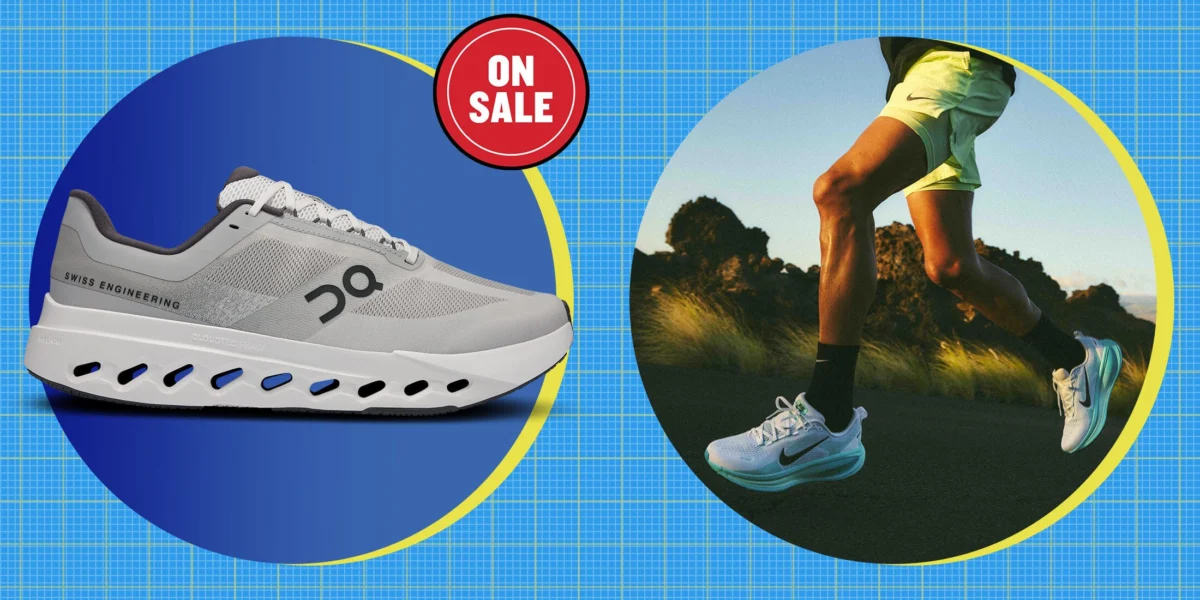
"Modern footwear has transcended the boundary between specialized gym gear and everyday style, creating a new standard where high-level biomechanical support is no longer sacrificed for aesthetic versatility."

The current landscape of men’s footwear is defined by a significant convergence of high-performance engineering and lifestyle-oriented design. As consumers increasingly demand products that can transition seamlessly from high-intensity training to professional or social environments, major manufacturers have pivoted toward creating "hybrid" silhouettes that utilize marathon-grade foams and ergonomic structures within visually appealing packages. This shift reflects a broader understanding of foot health, where the benefits of podiatrist-approved cushioning and stability are recognized as essential not just for the elite athlete, but for anyone navigating the rigors of modern daily life.
The Rise of the Performance Hybrid: On Running and the Versatility Shift
The trajectory of On Running serves as a primary case study in this evolution. Originally viewed as a niche brand for urban commuters and gym enthusiasts, On has systematically integrated advanced running technology into its lineup. The Cloudsurfer Next is a testament to this progress. Charles Thorp, a NASM-certified trainer and fitness editor, notes that the brand has made "great strides" in performance, effectively shedding its reputation as a purely aesthetic "city shoe."

The engineering behind these shoes often focuses on a "jack-of-all-trades" philosophy. For the modern professional who may walk several miles during a commute before hitting the treadmill, the Cloudsurfer Next provides the necessary energy return and impact protection without the aggressive, overly technical look of a traditional racing flat. This versatility is priced competitively at approximately $105, signaling a move toward making high-end performance technology accessible to a broader demographic through major retailers like Zappos.
Maximum Cushioning and the Science of the "Swoosh"
Nike’s contribution to this hybrid era is perhaps best exemplified by the Vomero series. The Vomero 18, priced near $113, represents the brand’s commitment to "maximum cushioning." This design philosophy is rooted in the use of proprietary foams—such as ZoomX or React—which are engineered to minimize the musculoskeletal strain associated with repetitive impact.

Beyond the technical specs, the Vomero 18 leverages Nike’s deep cultural heritage. By utilizing "poppy colorways" and the iconic Swoosh, Nike ensures that the shoe remains a staple in casual sneaker rotations. The implication here is clear: a shoe can be a serious tool for a sub-four-hour marathoner while remaining stylish enough for a weekend outing. This duality is a key driver in the footwear market, where the "rotation" of a consumer’s closet is increasingly comprised of shoes that serve multiple functional purposes.
Podiatric Health and the Recovery Revolution: Hoka and Asics
One of the most significant trends in contemporary footwear is the emphasis on recovery and long-term foot health. Hoka has been a pioneer in this space, with the Clifton 10 earning accolades as a premier walking shoe. Its recognition by the American Podiatric Medical Association (APMA) highlights a critical shift in consumer priorities: comfort is no longer an afterthought; it is a clinical requirement.

The Clifton 10, retailing for $115, utilizes a high-volume midsole and a meta-rocker geometry designed to guide the foot through its natural gait cycle. This "plush comfort" is not merely for ease; it is a functional asset during marathon training recovery runs. Thorp emphasizes that despite their soft feel, these shoes maintain the "speed" necessary to keep up with varying paces, proving that maximalist cushioning does not have to result in a sluggish ride.
Similarly, the Asics Gel-Nimbus 27 addresses specific biomechanical needs, particularly for runners who require a more accommodating fit. Unlike many performance models that run narrow, the Gel-Nimbus 27 offers a spacious toe box, which is essential for preventing common ailments like bunions or nerve compression during long-distance efforts. The inclusion of a rocker outsole promotes a smooth rolling motion, reducing the workload on the ankle joint. At a $110 price point, it serves as a specialized tool for recovery that remains accessible for daily wear.

The Cultural Renaissance of the "Dad Shoe"
The footwear market is also experiencing a powerful wave of nostalgia, rebranded as a sophisticated appreciation for heritage design. The New Balance 574 and the Nike Air Monarch IV are the twin pillars of this movement. Once dismissed with the "Dad shoe" moniker, these silhouettes have been reclaimed by fashion-forward consumers who value durability and timelessness.
The New Balance 574 Core, priced at an accessible $75, is built on a foundation of stability and ruggedness. Its ability to pair with almost any casual outfit has made it an "OG" staple. Its longevity in the market is due to its consistent comfort—a trait that remains relevant regardless of changing fashion trends.

The Nike Air Monarch IV, which debuted in 2003, follows a similar path. While it retains its retro aesthetic, Nike has updated the internal architecture to improve stability and cushioning. Retailing for approximately $64, the Monarch represents a "fun, retro option" that provides genuine support for all-day wear. The enduring popularity of these models suggests that while foam technology and carbon plates are exciting innovations, there is a permanent place for the reliable, leather-upper trainer in the modern wardrobe.
Innovation in Ease: The Slip-On Paradigm
As the boundaries between athletic and leisure wear continue to blur, the demand for "easy-on, easy-off" functionality has risen. The New Balance Fresh Foam X Cruz V3 addresses this need by combining the brand’s premium Fresh Foam cushioning with an elasticized heel.

Historically, slip-on shoes were seen as lacking the lateral stability required for "sporty" activities. However, the Cruz V3 challenges this perception. By integrating a high-traction outsole with a secure yet flexible upper, New Balance has created a shoe that caters to the fast-paced lifestyle of a consumer who values efficiency. At $70, it represents the entry point for many into the world of performance-infused lifestyle gear.
Expert Perspectives on Selection and Utility
The curation of these products by industry experts like Danny Perez and Charles Thorp highlights the importance of informed purchasing. Perez, with a background in independent men’s styling and a focus on gear for Popular Mechanics, brings an eye for quality and construction. Thorp, with his NASM certification and experience training alongside elite athletes from the NFL and Navy SEALs, provides the physiological context.

Their collective insight suggests that the "best" shoe is rarely a single model, but rather the one that aligns with an individual’s specific biomechanical needs and lifestyle demands. Whether it is the wide toe box of the Asics Gel-Nimbus for those with broader feet, or the "jack-of-all-trades" On Cloudsurfer for the urban athlete, the current market offers a level of specialization that was previously reserved for professional athletes.
Conclusion: The Future of the Footwear Rotation
The convergence of style and performance seen in current offerings from Zappos and major athletic brands indicates that the footwear industry has reached a new plateau of maturity. We are no longer in an era where "running shoes" and "sneakers" are mutually exclusive categories. Instead, we have entered a period of the "performance lifestyle" shoe.
As foam technologies continue to become lighter and more responsive, and as designers find new ways to incorporate these technologies into classic silhouettes, the consumer stands to benefit the most. The ability to purchase a shoe for under $120 that carries an APMA seal of approval, features marathon-tested foam, and looks appropriate in a social setting is a hallmark of modern manufacturing. In this new era, the focus remains on the intersection of health, utility, and self-expression, ensuring that every step taken—whether on a track or a city sidewalk—is supported by the best that sports science has to offer.
