
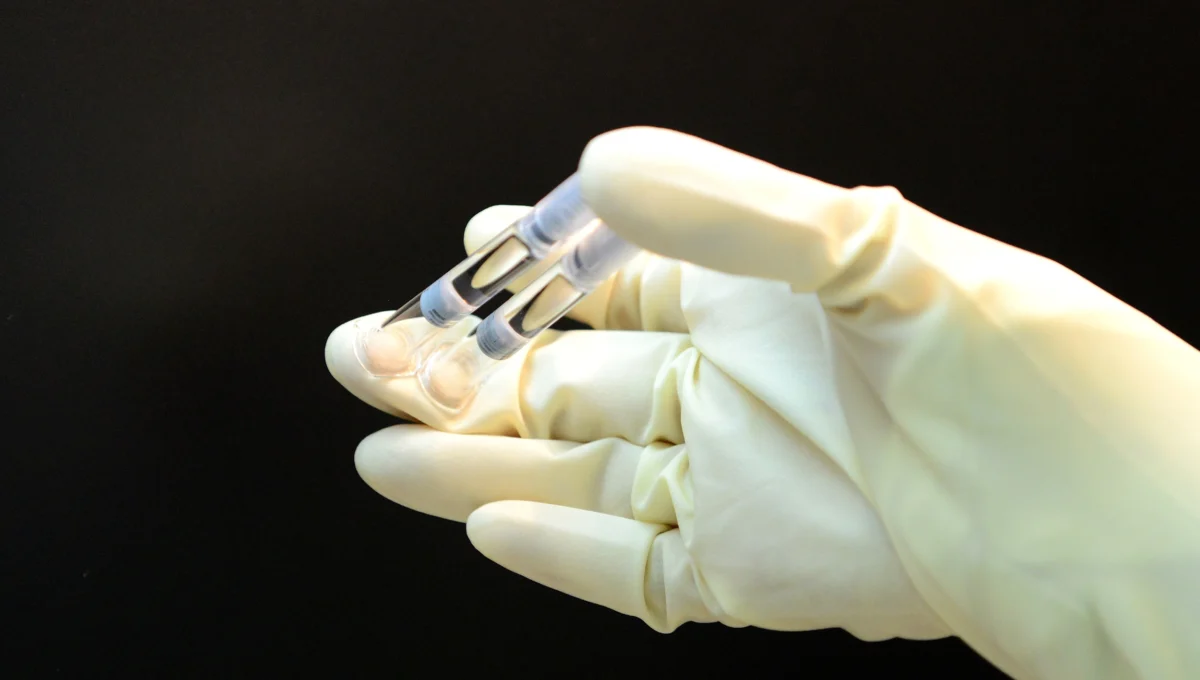
"The FDA’s approval of Ilumya for active psoriatic arthritis offers a new avenue for patients struggling with this chronic inflammatory condition, particularly those who may prefer or require clinician-administered therapy, potentially improving adherence and integration into their overall healthcare management."
The U.S. Food and Drug Administration (FDA) has granted approval to Ilumya (tildrakizumab-asmn) for the treatment of adults experiencing active psoriatic arthritis. This decision, announced by drugmaker Sun Pharma on October 30, marks a significant expansion for the biologic medication, which was previously approved for moderate-to-severe plaque psoriasis. The new indication provides an additional therapeutic choice for the estimated 2.4 million Americans living with psoriatic arthritis, a complex autoimmune disease that affects both the skin and the joints.
Psoriatic arthritis is a chronic, inflammatory condition that can lead to joint pain, stiffness, swelling, and potentially irreversible joint damage if left untreated. It often co-occurs with psoriasis, the well-known skin condition characterized by scaly, red patches. Current medical understanding suggests that approximately one in three individuals with psoriasis also develop psoriatic arthritis, and a concerning percentage of psoriasis patients may have undiagnosed joint involvement. The inflammatory cascade in psoriatic arthritis is significantly driven by a signaling protein known as interleukin-23 (IL-23). Ilumya functions as an IL-23 inhibitor, targeting this key mediator of inflammation early in the immune response. This mechanism aims to dampen the excessive immune activity that fuels the disease process in both the skin and the joints.
The FDA’s decision to approve Ilumya for psoriatic arthritis is underpinned by the results of two pivotal Phase 3 clinical trials: INSPIRE-1 and INSPIRE-2. These comprehensive, 52-week, randomized, double-blind studies were designed to rigorously evaluate the efficacy and safety of tildrakizumab compared to a placebo in adult patients with active psoriatic arthritis. A critical distinction between the two trials was their patient populations. INSPIRE-1 enrolled individuals who had previously undergone treatment with TNF blockers, an established class of biologic therapies, while INSPIRE-2 focused on patients who had not yet received such treatments.
Collectively, these trials enrolled over 800 participants across multiple geographic regions, including the United States, Europe, and Asia. The primary endpoint for both studies was the achievement of ACR20 at week 24. ACR20 is a standard clinical measure that signifies at least a 20% improvement in tender and swollen joint counts, along with other key indicators of disease activity. Both INSPIRE-1 and INSPIRE-2 successfully met this primary objective, demonstrating a statistically significant improvement in joint symptoms for patients treated with tildrakizumab compared to placebo. Sun Pharma reported that the efficacy of the drug was assessed after as few as two doses, suggesting a potentially rapid onset of action. Importantly, the trials did not reveal any new safety concerns. The most frequently reported adverse events in the arthritis trials were upper respiratory infections and COVID-19, consistent with general observations for immune-modulating therapies.
While the topline results have been shared, a comprehensive understanding of Ilumya’s performance in psoriatic arthritis is pending the full publication of the INSPIRE trial data in peer-reviewed journals. The absence of detailed published data currently limits the ability of clinicians to conduct in-depth comparisons with other available treatments, particularly regarding factors such as the duration of response, efficacy across different patient subgroups (e.g., by prior TNF exposure), and the drug’s impact on specific symptom domains like skin lesions, spinal involvement, and enthesitis (inflammation of tendons and ligaments). This lack of detailed data is a notable gap, as it hinders a complete comparative analysis that is crucial for personalized treatment decisions.
In a smaller, earlier Phase 2b study published in 2021, a notable observation was that approximately half of the placebo patients achieved ACR20. This relatively high placebo response rate is a factor that experts will continue to monitor in the context of the new Phase 3 trial results, as it can influence the perceived magnitude of treatment effect. The forthcoming publication of the INSPIRE data is eagerly anticipated as it will provide effect sizes, detailed secondary outcome measures, and potentially shed light on treatment durability and comparative effectiveness, especially in relation to other IL-23 inhibitors like Tremfya and Skyrizi.
Ilumya operates by inhibiting IL-23, a cytokine that plays a pivotal role in driving the inflammatory processes characteristic of psoriatic arthritis. By blocking this signaling pathway, Ilumya aims to interrupt the cascade of immune responses that lead to joint and skin inflammation. This targeted approach is designed to be more specific than broad immunosuppressants, but like all biologics that modulate the immune system, it carries the potential for an increased risk of infection. Consequently, patients are typically screened for latent tuberculosis (TB) before initiating treatment with IL-23 inhibitors.
The approval of Ilumya is part of a growing landscape of advanced therapies for psoriatic arthritis. Tremfya (guselkumab), another IL-23 inhibitor, was the first in its class to receive FDA approval for psoriatic arthritis in 2020. Skyrizi (risankizumab), also an IL-23 inhibitor, followed with its own approval for the condition in 2022. Beyond IL-23 inhibitors, other treatment modalities are available, including TNF blockers, IL-17 inhibitors, and oral medications such as Janus kinase (JAK) inhibitors, offering a diverse arsenal for managing this complex disease.
Dr. Philip Mease, director of rheumatology research at Swedish Medical Center and Providence St. Joseph Health in Seattle, commented on the significance of this new option. He emphasized the clinical need for a diverse range of therapeutic choices that enable individualized patient care. Dr. Mease highlighted that a provider-administered IL-23 inhibitor like Ilumya can offer patients enhanced support and a stronger connection with their healthcare team, potentially leading to better engagement with their treatment plan. Dr. Mease was also the lead author of the drug’s earlier Phase 2b arthritis study, underscoring his deep involvement and insight into tildrakizumab’s development for this indication.
The administration of Ilumya exclusively by a healthcare provider presents a unique advantage for certain patient populations. This model may be particularly appealing to individuals who have difficulty self-injecting medications due to physical limitations, such as joint damage in the hands, or those who experience needle anxiety. The treatment regimen involves an initial induction phase with two doses administered four weeks apart, followed by maintenance therapy every 12 weeks. While this less frequent dosing schedule might benefit patients who struggle with adherence to more frequent self-injection protocols, it does require clinic visits, which incur travel time and time away from other commitments.
Patients who are currently experiencing satisfactory disease control with their existing psoriatic arthritis treatment have no immediate clinical imperative to switch based solely on this new approval. However, for individuals whose disease remains active despite current therapies, or for those who find self-administration challenging, Ilumya warrants consideration and discussion with their healthcare provider.
As with any immunomodulatory therapy, certain precautions are necessary. Patients with active infections, a history of tuberculosis, or those planning to receive live vaccines should thoroughly discuss these conditions with their physician before commencing Ilumya treatment. Pregnant individuals are encouraged to inquire about the availability of pregnancy exposure registries, which collect valuable data on medication use during pregnancy.
Patients should remain vigilant for potential signs of infection while undergoing treatment with Ilumya. Warning signs that necessitate immediate contact with a clinician include fever, chills, persistent cough, or other indicators of infection. In the event of severe allergic reactions, such as swelling of the face or throat, hives, or difficulty breathing following a dose, emergency medical attention is required.
The financial implications and insurance coverage for Ilumya in its new indication are still being defined. Sun Pharma has not yet announced specific pricing for its use in psoriatic arthritis. A key factor influencing patient access is how the drug will be billed; as a provider-administered medication, it is often covered under a health plan’s medical benefit rather than its pharmacy benefit. This distinction can significantly impact out-of-pocket costs, including copayments and deductibles. Insurers typically have established criteria for approving biologic therapies, and these policies will evolve as they assess the new indication for Ilumya. For instance, Aetna’s Medicare Part B criteria currently outline coverage for plaque psoriasis, and similar frameworks are expected for psoriatic arthritis.
Prospective patients interested in Ilumya should consult with their rheumatologist or dermatologist to understand their insurance plan’s specific requirements. This may include the need for prior authorization from the insurer or a mandatory trial of other medications before Ilumya can be approved. Inquiries can also be made with the manufacturer and the administering clinic regarding potential copay assistance programs. If coverage is denied, patients have the right to appeal the decision, which is often strengthened by detailed documentation from their physician outlining the medical necessity of the treatment.
The full publication of the INSPIRE trial data is anticipated to be a significant next step. This will allow for a more complete evaluation of the drug’s effectiveness, including its impact on various symptom domains and its long-term durability. It will also enable clinicians to conduct more precise comparisons between Ilumya, Tremfya, and Skyrizi. Payer coverage decisions, which are expected to unfold over the coming months, will play a crucial role in determining the real-world accessibility of Ilumya for a broad patient population.
In summary, the FDA’s approval of Ilumya for active psoriatic arthritis provides an important new therapeutic avenue for individuals managing this challenging chronic condition. While it represents an advancement in treatment options, it does not negate the effectiveness of existing therapies for patients who are already achieving good disease control. The decision to use Ilumya should be a collaborative one between the patient and their healthcare provider, informed by individual disease characteristics, treatment history, and personal preferences.
Key Questions Answered:
What did the FDA approve? The FDA approved Ilumya (tildrakizumab-asmn) for the treatment of adults with active psoriatic arthritis, as announced by Sun Pharma on October 30. The drug was previously approved for moderate-to-severe plaque psoriasis.
How does Ilumya work? Ilumya functions by blocking interleukin-23 (IL-23), a key signaling protein that drives inflammation in both the skin and joints, thereby helping to reduce the inflammatory processes associated with psoriatic arthritis.
What did the trials show? The two Phase 3 INSPIRE trials met their primary efficacy endpoint, demonstrating significant improvement in joint symptoms at week 24 compared to placebo. However, comprehensive details of the full trial results have not yet been published in a peer-reviewed journal.
How is it different from Tremfya or Skyrizi? While all three medications are IL-23 inhibitors, a notable difference highlighted by Sun Pharma is that Ilumya is administered exclusively by a healthcare provider, rather than being self-injected by patients at home.
What are the main side effects? In the psoriatic arthritis trials, the most common side effects observed were upper respiratory infections and COVID-19. Prior to initiating treatment, patients must undergo screening for tuberculosis.
Will insurance cover it? Insurance coverage for Ilumya for psoriatic arthritis is expected to vary by plan. Many insurers will likely require prior authorization, and the pricing for this new indication has not yet been announced. Patients should consult with their healthcare provider and insurance company for specific details.
