
"The workforce will not even come close to sustaining if you don’t retain your people."
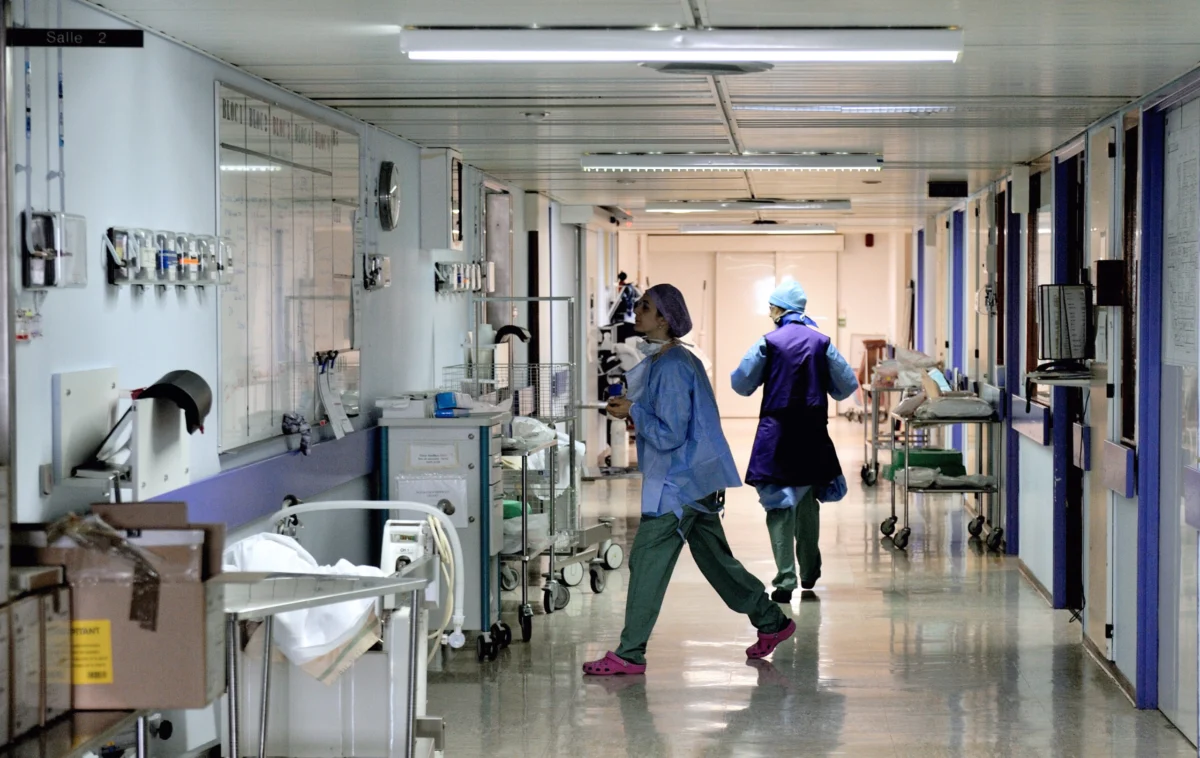
This stark warning from Andy MacCracken, director of the NC Center on the Workforce for Health, underscores the alarming reality facing healthcare employers in western North Carolina. The region is grappling with an unprecedented registered nurse (RN) turnover rate of 38%, the highest in the state and nearly four times the significantly lower 10% rate observed in the southeast. This crisis, detailed in the third annual health workforce analysis by the NC Center on the Workforce for Health, is not a sudden development but a compounding issue exacerbated by lingering challenges and the devastating impact of Hurricane Helene. The analysis reveals a statewide trend of improving staffing numbers, yet these improvements mask a critical ongoing need for robust retention strategies to ensure the long-term viability of the healthcare system.
The findings from the NC Center on the Workforce for Health’s comprehensive analysis paint a concerning picture of healthcare staffing across North Carolina, with western regions bearing a disproportionate burden of registered nurse (RN) turnover. The reported 38% turnover rate in western North Carolina signifies that more than one-third of RN positions are being vacated annually, a figure that far outstrips the state’s southeast region and highlights a significant regional disparity in workforce stability. This high turnover has profound implications, leading to increased pressure on remaining staff, potential declines in patient care quality due to a higher proportion of less experienced nurses, and substantial financial costs associated with recruitment and training.
The report, which draws upon survey data from over 150 healthcare employers and is accessible through the NC Health Talent Alliance, indicates that while statewide vacancy and turnover rates for RNs, licensed practical nurses (LPNs), certified nursing assistants (CNAs), and medical assistants have seen a decline, they continue to exceed national and recommended benchmarks. Specifically, 12% of RN positions and 16% of LPN and CNA positions remain unfilled. The average duration for filling RN and medical assistant vacancies hovers around 10 weeks, a testament to the ongoing demand for these critical roles. Alarmingly, only 4% of the hiring in 2026 was for newly created positions, underscoring that the vast majority of recruitment efforts are focused on replacing staff who have departed.
The concept of "churn," which measures employees moving both into and out of an organization within a single year, also provides valuable insight. While churn rates have decreased across all four professions, the reduction was most pronounced for CNAs, dropping from an unsustainable 117% in 2025 to approximately 60% in 2026. Despite these positive shifts, experts like Emily McCartha, a senior policy analyst at the NC Center on the Workforce for Health, emphasize that improvement does not automatically equate to a healthy or sustainable situation. The focus, she asserts, must now pivot decisively towards retention.
The persistent challenges in western North Carolina are not solely a product of recent trends. The region has a history of weaker workforce numbers, and the impact of Hurricane Helene, which struck in September 2024, appears to have exacerbated these pre-existing vulnerabilities. McCartha suggests that some healthcare workers displaced by the storm either left their jobs or relocated, potentially to neighboring states like Tennessee or Georgia. Compounding these issues are the inherent transportation barriers in mountainous terrain and a limited number of educational institutions that train healthcare professionals. Furthermore, graduates from these programs do not always remain in the region, contributing to the ongoing deficit.
The strain of high RN turnover is palpable. It means that units are consistently staffed with nurses who are new to their roles and to the specific patient populations they serve. This necessitates a greater reliance on experienced nurses, who then face increased workloads and a diminished support system. The financial implications of this constant cycle of departure and recruitment are substantial. A brief on nurse retention from UNC’s Sheps Center, referencing national industry estimates, places the cost of replacing a single bedside RN at an average of $61,110. Moreover, the recruitment of an experienced RN can take approximately three months, a period during which patient care responsibilities are unevenly distributed.
Beyond the hospital setting, the staffing shortages extend to emergency medical services (EMS). Paramedic vacancies remain open for an average of 110 days, while EMT vacancies persist for about 94 days. Employers reported approximately 840 combined EMT and paramedic openings, a figure that significantly outpaces the estimated annual supply of about 400 new workers. This deficit in critical pre-hospital care providers can lead to delayed response times and reduced access to emergency medical assistance, particularly in rural and underserved areas.
The nursing profession itself faces a significant demand-supply imbalance. Healthcare employers report an average of 6,930 RN openings annually, yet the annual output of new RN graduates only meets about two-thirds of this demand. Projections from the NC Nursecast model at UNC are even more stark, forecasting a statewide shortage of approximately 12,500 RNs and over 5,000 LPNs by 2033. This looming deficit threatens the capacity of the healthcare system to meet the growing needs of North Carolina’s population.
The consequences of these staffing shortages are particularly acute for residents of rural mountain counties, who already contend with limited access to healthcare services. Hurricane Helene’s impact laid bare the fragilities within the region’s healthcare safety net, a situation that the current report’s employer-based data may not fully capture, as individual facility rates could be even more severe.
In response to these challenges, patients are encouraged to take proactive steps to manage their health. Individuals with chronic conditions can optimize their care by scheduling follow-up visits well in advance and inquiring about the availability of telehealth services. Maintaining an up-to-date list of medications is also crucial for effective communication with healthcare providers. In cases of suspected emergencies, such as chest pain, stroke symptoms, or difficulty breathing, immediate medical attention via a 911 call remains paramount.
The report’s findings underscore the necessity of community-tailored strategies to address localized shortages. One promising avenue involves re-engaging nurses who have left the active workforce. Data from the North Carolina Board of Nursing, as cited by NC AHEC, indicates that nearly 170,000 RNs hold active licenses, yet only about 127,000 are currently employed in nursing roles. NC AHEC’s RN refresher program offers a structured pathway for these nurses to return to practice, providing much-needed expertise and alleviating some of the workforce pressure.
While RN pay in North Carolina has historically lagged behind national averages, McCartha points to findings from national nurse surveys that suggest work environment factors often hold more weight than salary alone in job satisfaction and retention. This highlights the importance of addressing non-monetary aspects of the nursing profession. A significant concern within the healthcare sector is workplace violence, which disproportionately affects emergency departments and walk-in clinics. A 2022 Sheps Center report, utilizing federal data, revealed that while healthcare workers constitute approximately 14% of the U.S. workforce, they experience about 75% of nonfatal, intentional workplace injuries. This pervasive issue not only impacts the well-being of healthcare professionals but also contributes to burnout and turnover.
In an effort to combat these pervasive issues, some healthcare employers are exploring innovative recruitment and retention models. Atrium Health Lincoln, in collaboration with Lincoln County Schools and Gaston College, has established an accelerated pathway designed to introduce high school students to health careers prior to graduation. This initiative aims to build a future pipeline of healthcare professionals within the region. Furthermore, eleven hospital systems spanning North and South Carolina are participating in the CaroNova Workforce Experience Accelerator, a collaborative endeavor focused on sharing and implementing effective retention strategies across diverse organizational settings. These multi-faceted approaches, combining educational pipelines, re-engagement programs, and collaborative problem-solving, are essential for building a resilient and sustainable healthcare workforce for North Carolina.
