
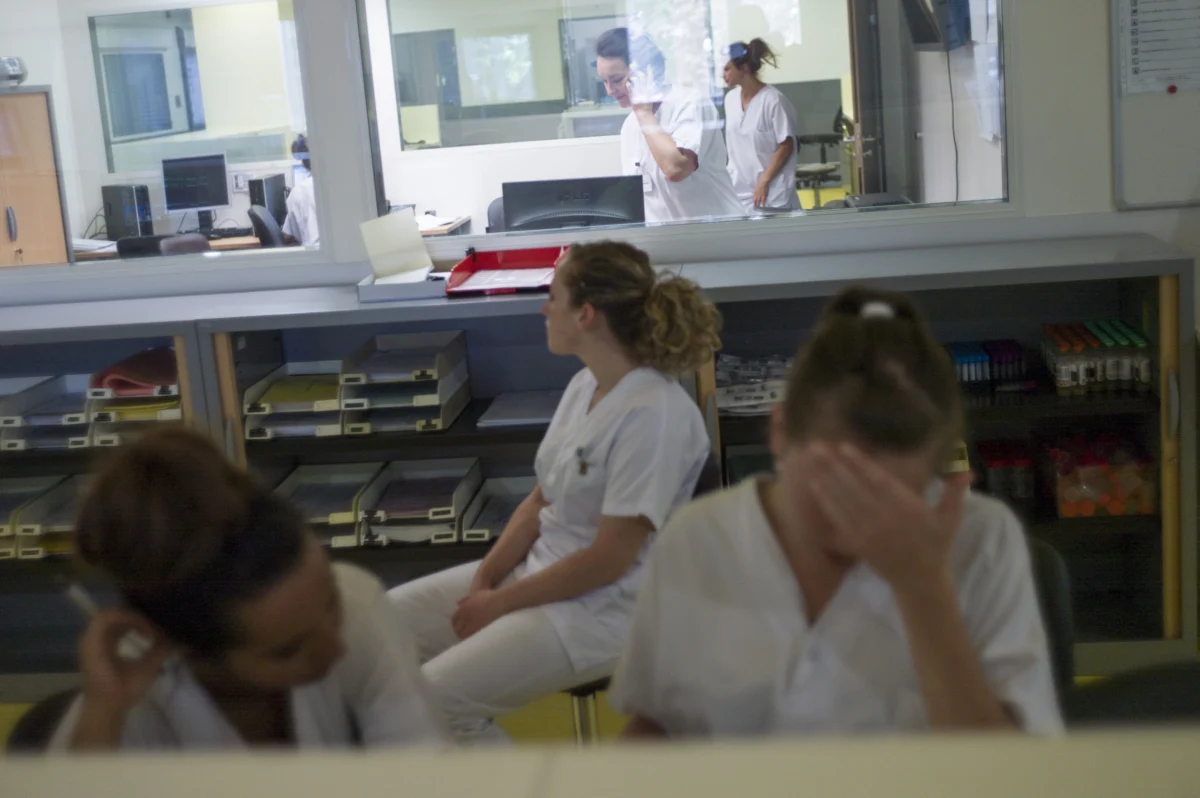
"A payroll system change in early 2021 led to widespread underpayment of registered nurses at Kaiser Permanente facilities in California, with an arbitrator now mandating the health system to repay millions in lost wages to more than 1,000 affected nurses."
A significant arbitration ruling has ordered Kaiser Permanente to compensate over 1,000 registered nurses in California for back wages owed due to a payroll system transition implemented in early 2021. The California Nurses Association (CNA) announced the decision on October 5, 2026, estimating that the total amount could reach tens of millions of dollars. This ruling concludes a protracted dispute that the union states took years to meticulously document, highlighting the complexities of payroll errors and the challenges nurses faced in accessing the necessary data to prove their claims. The outcome arrives amidst ongoing contract negotiations between Kaiser and the CNA, where hospital staffing levels have emerged as a critical point of contention.
The Genesis of the Dispute: A Flawed Payroll Overhaul
The roots of this extensive wage dispute can be traced back to a significant overhaul of Kaiser Permanente’s payroll system in early 2021. According to the CNA’s press release, this system change resulted in widespread underpayments to registered nurses. The union asserts that it took several years to compile sufficient evidence and fully document the extent of the problem, largely due to the lack of direct access to Kaiser’s internal payroll records. This prolonged documentation period underscores the power imbalance and informational asymmetry that can exist between healthcare employers and their nursing staff.
Michelle Gutierrez Vo, CNA President and an adult and family medicine nurse at Kaiser Fremont Medical Center, characterized the situation starkly in the union’s statement: "They changed their payroll system, messed it up, and let the mistake steal millions of dollars from nurses." This accusation of "wage theft" implies intent, a descriptor that Kaiser has contested.
A December 2024 Kaiser payroll audit, as reported by KQED, revealed that 1,142 nurses had been underpaid, while 1,813 nurses were overpaid. Notably, the audit indicated that Kaiser did not attempt to recover the funds from those who were overpaid. One specific group affected by the underpayments were Staff Nurse IIs in Northern California. Kaiser stated it had implemented measures to rectify these discrepancies by placing affected employees into their appropriate salary brackets. However, the precise amount each nurse is entitled to and the overall scope of the payroll error remain undisclosed by the company. The arbitration process, a mechanism stipulated within the nurses’ union contract for dispute resolution, served as the venue for this complex case, bypassing traditional court proceedings.
Kaiser’s Response: Acknowledging Obligation Amidst Disagreement
In response to the arbitrator’s ruling, Kaiser Permanente issued a statement acknowledging its obligation to comply with the decision. A spokesperson conveyed to KQED, "We will reach out directly to every affected nurse promptly." While the company stated it disagrees with the union’s characterization of the dispute, it affirmed its commitment to honoring the terms of the arbitrator’s decision.
Speaking to Becker’s Hospital Review, a Kaiser spokesperson emphasized the importance of utilizing the established grievance procedures: "It was important that this dispute be addressed through the process outlined in our collective bargaining agreement." The company reiterated its dedication to ensuring that "every one of them is paid accurately and in full accordance with their contract."
Kaiser also highlighted its competitive compensation for nurses, stating to KQED that its nursing staff are among the highest paid in the industry. According to company figures, a Staff Nurse II in Northern California can earn over $100 per hour before overtime and premium pay, a rate reportedly about 7% above the market average for similar positions at other health systems. These figures, however, are Kaiser’s own assertions and have not been independently verified.
The core of the disagreement lies in the framing of the issue. While the union unequivocally labels the situation as "wage theft," implying deliberate wrongdoing, Kaiser prefers to describe it as a "payroll accuracy issue" that is being corrected. The arbitrator’s written decision, which has not been made public, is expected to provide further clarity on the findings, though no public indication of intentional misconduct by Kaiser has been revealed.
The Broader Context: Contract Negotiations and Staffing Concerns
This significant back-wage ruling emerges during a critical period of contract negotiations between Kaiser Permanente and the CNA. The CNA represents a substantial contingent of over 25,000 nurses across 22 Kaiser facilities in California, with KQED reporting a slightly lower figure of approximately 23,000. The previous labor agreement expired at the end of August, and despite nearly a dozen bargaining sessions, discussions regarding wages had not yet commenced.
Staffing levels have been positioned by the union as a paramount demand in these negotiations. In an effort to underscore their concerns, nurses organized informational pickets at 22 Kaiser facilities statewide on September 1st. These demonstrations, spanning regions from Sacramento to the Bay Area and Fresno, were aimed at advocating for safe staffing ratios on every shift and raising alarms about the potential impact of untested artificial intelligence in patient care. Craig Cedotal, a pediatric nurse interviewed by KQED during a picket in Oakland, revealed that procedure nurses had filed approximately 5,000 objection forms concerning assignments they deemed unsafe.
Kaiser, however, has contested this narrative, asserting to KQED that its staffing levels adhere to state-mandated nurse-to-patient ratios. The company maintains that it employs a system developed in collaboration with the CNA and that its technological advancements are designed to support, rather than replace, its nursing staff.
Crucially, the sources reviewed thus far do not indicate that the payroll underpayments directly impacted staffing levels or patient outcomes. Nevertheless, both pay accuracy and staffing are actively being addressed within the same contract dispute, and the eventual resolution of these negotiations will undoubtedly shape the working conditions for nurses across Kaiser’s emergency rooms, labor and delivery units, and general medical floors.
There have been no announcements of a strike stemming from this arbitration ruling. Patients with scheduled appointments or procedures at Kaiser facilities are advised to proceed with their care plans and to contact their respective care teams directly for any scheduling-related inquiries.
For nurses who have worked at Kaiser’s California facilities since 2021 and suspect they may have been affected by the underpayments, it is recommended to retain all pay stubs and timesheets. They should also remain vigilant for direct communication from Kaiser and consult with their union representatives regarding the calculation of their claims. Kaiser has not yet provided a timeline for when payments will be disbursed or the specific methodology that will be employed for their calculation.
Key Takeaways for Affected Nurses and Patients:
- Arbitration Ruling: An arbitrator has ruled in favor of over 1,000 California registered nurses, ordering Kaiser Permanente to repay back wages due to a payroll system error initiated in early 2021.
- Financial Impact: The California Nurses Association estimates the total owed to nurses could reach tens of millions of dollars, though an exact figure and individual nurse payouts are yet to be determined.
- Cause of Underpayment: The union attributes the issue to a faulty payroll system change in 2021, while Kaiser describes it as a payroll accuracy matter.
- Kaiser’s Commitment: Kaiser Permanente has stated it will honor the arbitrator’s decision and will directly contact all affected nurses to arrange repayment.
- Patient Impact: No disruption to patient care is anticipated as a result of this ruling. Patients should continue with their scheduled appointments.
- Nurse Guidance: Nurses who believe they were underpaid should preserve pay stubs and timesheets, await communication from Kaiser, and connect with their union representatives for details on claim processing.
