
"The inquiry has illuminated a critical tension between healthcare innovation and patient rights, revealing that a significant number of mental health trusts failed to secure proper consent for continuous patient monitoring, potentially jeopardizing the fundamental principles of autonomy and human rights in care."
The ongoing Lampard Inquiry into mental health deaths has brought to light serious systemic failings regarding the implementation of monitoring technology, specifically the Oxevision system, within NHS mental health trusts. Evidence presented to Baroness Lampard has detailed a concerning timeline of awareness and delayed action by NHS England concerning widespread issues of patient consent, privacy, and human rights. This investigation underscores the profound ethical challenges that arise when technological advancements intersect with the care of vulnerable individuals, particularly within the sensitive environment of mental health services.
The inquiry, established to investigate hundreds of deaths of mental health patients across England, has expanded its scope to scrutinize the introduction and oversight of digital monitoring technologies. Baroness Lampard herself has asserted her readiness to issue interim recommendations if pressing risks to patient safety emerge before the inquiry’s final report, anticipated in 2028. This commitment highlights the gravity of the concerns being examined, particularly as they pertain to technologies designed to enhance safety but which, in practice, may compromise patient rights.
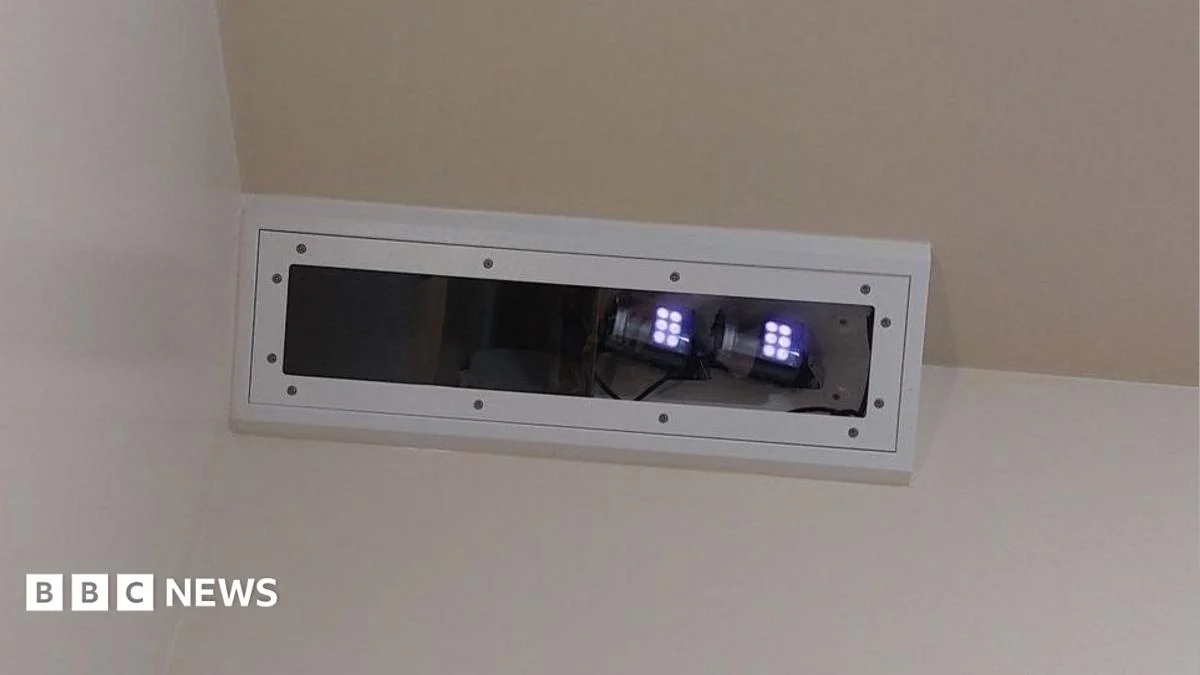
Central to the current phase of the inquiry are the revelations surrounding Oxevision, a system that utilizes optical sensors for patient observation. Gareth Harry, NHS England’s National Delivery Director for Mental Health, Learning Disability and Autism, confirmed that NHS England first became aware of significant safety concerns linked to Oxevision as early as 2021. These concerns were multifaceted, encompassing issues of informed consent, the adequacy of patient observations, and fundamental human rights. The inquiry heard that internal communications within NHS England from 2022 explicitly flagged instances where trusts were reportedly failing to offer patients the choice to refuse being filmed, a direct affront to patient autonomy.
This alarming information prompted NHS England to issue guidance in 2023, advising mental health trusts against adopting monitoring technology as a "blanket approach." The guidance emphasized that decisions regarding the use of such technology must be made on an individual patient basis, ideally involving patients themselves in these critical choices. However, the efficacy and timely impact of this guidance have been questioned, particularly by lawyers representing bereaved families who queried the several-year delay between initial awareness of concerns and substantive action.
The impetus for a more thorough review by NHS England reportedly came from the campaign group "Stop Oxevision," which vociferously raised further concerns. This subsequent review by NHS England unearthed disturbing findings: ten mental health trusts were identified as "not operating their consent mechanisms in line with the digital principles." While the names of these trusts have not been publicly disclosed, their referral to the Care Quality Commission (CQC) on October 2nd, with findings shared with inspection teams, indicates the seriousness of the breaches.
The intricacies of consent in mental health care are particularly complex. Patients receiving mental health services may, at times, experience fluctuating capacity to make informed decisions, making the process of obtaining truly voluntary and informed consent a delicate and ethically demanding task. The use of continuous video monitoring raises profound questions about privacy, dignity, and the right to refuse care, even when such technology is presented as a safety measure. The potential for such systems to be perceived as intrusive or coercive, especially by individuals in vulnerable states, cannot be underestimated.
Teniola Onabanjo, counsel to the inquiry, directly challenged Gareth Harry on whether NHS England recognized that the "enthusiasm for innovation might outpace the scrutiny of consent and ethics" when it comes to camera technology. Harry’s response, emphasizing the expectation for every mental health service provider to have their "values and behaviours driven by a human rights approach to mental healthcare," highlights the theoretical commitment to patient rights, yet contrasts sharply with the documented failures in practice. This exchange underscores a broader systemic challenge: balancing the legitimate drive for technological advancement in healthcare with the imperative to uphold patient autonomy and ethical standards.
NHS England’s position, as articulated by Harry, is that the "day-to-day responsibility for following the guidance sat with individual trusts rather than NHS England." While trusts undeniably bear primary responsibility for clinical governance and patient care at the local level, this stance raises questions about the oversight and accountability framework at the national level. If NHS England is aware of widespread non-compliance with fundamental consent principles regarding potentially intrusive technology, its role in monitoring, enforcing, and intervening becomes critical. The inquiry’s delving into this dynamic will likely shape future expectations for national bodies in ensuring local compliance with ethical guidelines.
The CQC, as the independent regulator of health and social care in England, plays a pivotal role in this landscape. A spokesperson for the CQC affirmed to the BBC that "providers have a responsibility to offer safe, high-quality care in line with relevant guidelines" and that the CQC "considers all information of concern that is shared with us, and should a provider fall short we can and do take action." The CQC is scheduled to present its own evidence to the Lampard Inquiry on October 7th, which will be crucial in understanding how the regulator plans to address the identified consent failures and ensure future compliance. Their response will be critical in restoring public and patient confidence in the ethical deployment of technology within mental health services.
Amidst these concerns, it is also important to acknowledge the purported benefits of technologies like Oxevision. Laura Cozens, representing LIO Health, the company behind Oxevision, provided evidence to the inquiry in July, stressing the importance of properly explaining the technology to patients. She also highlighted instances where the system had reportedly helped prevent serious incidents, including falls on a dementia ward. This perspective underscores the complex dilemma: while such technology offers potential advantages in enhancing patient safety and potentially reducing staff workload, these benefits must be rigorously weighed against the ethical costs, particularly concerning consent, privacy, and human rights. The challenge lies in deploying technology responsibly, ensuring it serves as an aid to compassionate care rather than an infringement upon fundamental rights.
The broader implications of the inquiry’s findings extend beyond Oxevision and individual trusts. They speak to the ongoing digital transformation of healthcare and the imperative for robust ethical frameworks, governance structures, and oversight mechanisms to accompany technological adoption. As healthcare increasingly integrates AI, sensors, and continuous monitoring, establishing clear, enforceable guidelines for consent, data privacy, and human rights becomes paramount. The Lampard Inquiry serves as a critical forum for scrutinizing these challenges, learning from past failures, and shaping a future where innovation genuinely improves care without compromising the dignity and autonomy of patients.
The current hearings are expected to continue until October 15th, with a further hearing specifically for families on October 20th. Baroness Lampard’s power to issue interim recommendations, particularly if urgent patient safety concerns are identified, provides a mechanism for immediate action, even before the final report in 2028. The inquiry’s ultimate findings and recommendations will be instrumental in reforming practices, strengthening oversight, and ensuring that mental health care across England is not only safe and effective but also deeply respectful of patient rights and dignity. This is a pivotal moment for redefining the ethical boundaries of technology in healthcare, especially for society’s most vulnerable.
