
"Optogenetics has unveiled the brain’s once-hidden landscapes, offering an unprecedented ability to precisely map and manipulate neural circuits. This revolutionary technology is transforming our understanding of behavior, emotion, and neurological disorders, achieving what was previously only a dream for neuroscience."
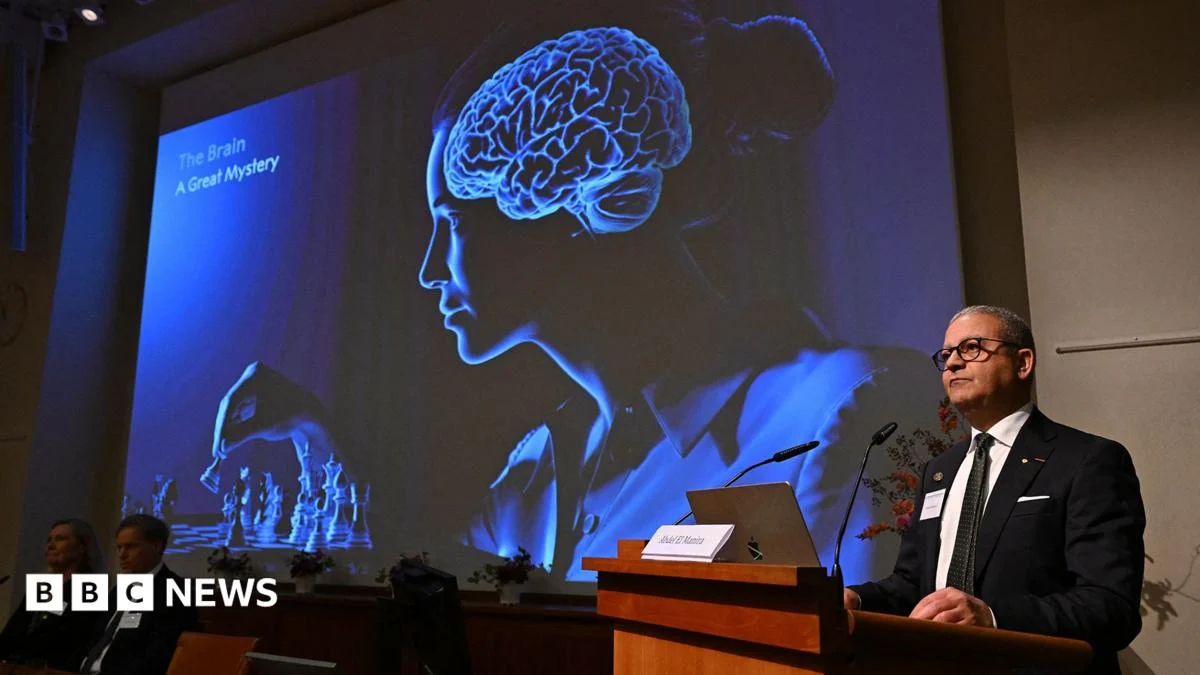
The human brain, a complex tapestry of billions of neurons, has long presented one of science’s most formidable frontiers. For centuries, the intricate mechanisms underpinning consciousness, memory, emotion, and behavior remained largely elusive, shrouded in mystery. Scientists grappled with crude tools, often inferring function from damage or broad electrical stimulation. The advent of optogenetics, a groundbreaking field combining optics and genetics, has shattered these limitations, providing an exquisite level of control and observation that has fundamentally reshaped our approach to understanding the brain. As Per Svenningsson, chair of the Nobel Committee for Physiology or Medicine, aptly noted, optogenetics offers "opportunities for mapping the brain in a way that we could once only dream of," transitioning neuroscience from broad strokes to precision engineering of neural activity.
The Historical Enigma of the Brain
Before the advent of optogenetics, neuroscientists faced immense challenges in deciphering the brain’s inner workings. Methods like lesion studies, where specific brain regions were damaged to observe behavioral deficits, offered insights but lacked precision. Electrical stimulation, while capable of activating neurons, often affected a broad, ill-defined area, making it difficult to pinpoint the exact cells responsible for a given function. Pharmacological approaches, using drugs to modulate brain activity, suffered from similar issues of widespread action and slow response times. Consequently, understanding the specific neural pathways responsible for feelings, complex behaviors, and fundamental bodily functions remained largely speculative, built upon correlational data rather than direct causal evidence. The dream of truly dissecting and manipulating individual neural circuits, to observe their precise roles in real-time, seemed a distant future.
The Dawn of Optogenetics: A Protein from Algae
The conceptual leap that led to optogenetics began with the recognition that certain microorganisms possess light-sensitive proteins that control their behavior. These proteins, known as opsins, act as light-gated ion channels, opening or closing in response to specific wavelengths of light to allow ions to flow across cell membranes, thereby altering the cell’s electrical state.
A pivotal discovery in the early 2000s came from the independent work of scientists Georg Nagel and Peter Hegemann. Their research focused on a single-celled green alga, Chlamydomonas reinhardtii, which uses light to navigate its environment. They identified a protein, later named channelrhodopsin-2 (ChR2), that functioned as a light-activated ion channel. When exposed to blue light, ChR2 opens, allowing positively charged ions to rush into the cell, thereby depolarizing it and triggering an electrical impulse. This discovery was revolutionary because it presented a naturally occurring, light-switchable protein capable of directly influencing a cell’s electrical activity.
Translating Algal Proteins to Mammalian Neurons
The challenge then became how to introduce and utilize this algal protein in the complex neuronal environment of a mammalian brain. This is where Karl Deisseroth and his team at Stanford University made their seminal contribution. Working in parallel with Boyden and Zhang, Deisseroth pioneered the techniques to genetically engineer mammalian neurons to express channelrhodopsin. This involved using viral vectors to deliver the gene for ChR2 into specific types of neurons within the brain. Once integrated, these neurons would synthesize the channelrhodopsin protein and embed it in their cell membranes.
The breakthrough moment arrived when Deisseroth’s team successfully demonstrated that by shining blue light onto these genetically modified neurons in the brains of mice, they could precisely switch them on, triggering them to fire electrical impulses. This marked the birth of optogenetics: the ability to control the electrical activity of specific neurons using light, with unparalleled temporal precision (milliseconds) and spatial specificity (individual cells). This was a monumental shift from previous methods, offering a level of control that had been unimaginable.
Mechanism and Unrivaled Precision
The power of optogenetics lies in its remarkable precision. Unlike electrical stimulation, which can activate any neuron within the reach of an electrode, or drugs that diffuse throughout the brain, optogenetics allows for the targeting of specific populations of neurons. This specificity is achieved through two primary mechanisms:
- Genetic Targeting: Researchers use advanced genetic engineering techniques to ensure that the light-sensitive opsin proteins are expressed only in the desired types of neurons. For example, they can target neurons that produce a specific neurotransmitter, or those located in a particular brain region and involved in a specific circuit.
- Optical Delivery: Light is delivered to these targeted neurons, typically via thin optical fibers implanted into the brain. Because light can be precisely focused and controlled, researchers can activate or inhibit neurons in a highly localized manner.
Furthermore, different types of opsins have been discovered and engineered. While channelrhodopsin activates neurons (causing them to fire), other opsins, such as halorhodopsin or archaerhodopsin, can inhibit neuronal activity (preventing them from firing) in response to different wavelengths of light (e.g., yellow or green light). This dual capability – to both switch neurons on and off – provides an unprecedented tool for dissecting the causal roles of specific neural circuits.
Revolutionizing Brain Research: Unlocking Behavior and Cognition
The implications of optogenetics for neuroscience research have been profound and far-reaching. By gaining such exquisite control over neural activity, researchers have been able to:
- Map Neural Circuits with Precision: For the first time, scientists can trace the exact pathways involved in complex brain functions. By activating a specific set of neurons and observing the downstream effects, they can build detailed circuit diagrams of the brain, revealing how different regions communicate and coordinate.
- Decipher the Neural Basis of Behavior: Optogenetics has enabled direct investigation into how specific neural circuits drive behaviors. Researchers can activate or silence neurons in an animal’s brain and observe changes in its movement, decision-making, social interactions, or even its emotional state. This has led to breakthroughs in understanding the neural underpinnings of everything from motor control to addiction.
- Investigate Memory Formation and Retrieval: The ability to switch neural circuits on or off has allowed scientists to manipulate memories. By stimulating specific groups of neurons, researchers have been able to "bring memories to life," reactivating forgotten experiences or even implanting false memories in animal models. This provides crucial insights into how memories are encoded, stored, and retrieved, offering potential avenues for treating memory disorders.
- Explore the Genesis of Feelings and Emotions: Scientists can now directly probe the neural circuits associated with specific emotional states. By activating circuits linked to reward, fear, or anxiety, researchers can observe how these "feelings" are generated and modulated in the brain. This is critical for understanding and potentially treating mood disorders.
- Unravel Psychiatric and Neurological Disorders: Optogenetics is proving invaluable in studying the dysfunctional neural circuits implicated in a wide range of conditions, including depression, anxiety disorders, post-traumatic stress disorder (PTSD), addiction, Parkinson’s disease, Alzheimer’s disease, and epilepsy. By selectively activating or inhibiting specific neurons in animal models of these diseases, researchers can identify the precise circuits that go awry and test potential therapeutic interventions at a highly targeted level. For instance, in models of Parkinson’s, optogenetic stimulation of specific deep brain nuclei can alleviate motor symptoms, mirroring the effects of deep brain stimulation (DBS) but with far greater precision.
Beyond the Brain: Interfacing with the Body’s Systems
The impact of optogenetics extends beyond the confines of the brain, offering crucial insights into how the nervous system interacts with other cells and organs throughout the body. The nervous system is a vast communication network, influencing everything from heart rate and digestion to immune responses.
- Heart and Circulatory System: Researchers are using optogenetics to study the neural control of heart function, investigating how specific nerves influence heart rhythm and blood pressure. This could lead to more precise treatments for arrhythmias or hypertension.
- Gut-Brain Axis: The intricate connection between the brain and the digestive system, known as the gut-brain axis, is a rapidly expanding field. Optogenetics is helping to unravel how neural signals from the gut influence mood and behavior, and vice versa. This could have implications for understanding conditions like irritable bowel syndrome (IBS) or even certain psychiatric disorders.
- Immune System: Emerging research is exploring the neural modulation of immune responses. By activating or inhibiting specific neural pathways, scientists are gaining a deeper understanding of how the nervous system can influence inflammation and immune cell activity, potentially opening new avenues for treating autoimmune diseases or chronic inflammation.
Challenges and the Horizon of Translation
Despite its revolutionary success, optogenetics still faces challenges, particularly in its translation to human therapies. The primary hurdle is its invasiveness, requiring genetic modification and the implantation of optical fibers into the brain. While animal research has yielded tremendous insights, developing non-invasive or minimally invasive methods for humans is a key focus for future development. Researchers are exploring novel approaches, such as using viruses that can cross the blood-brain barrier more efficiently, or combining optogenetics with ultrasound or magnetic fields to deliver light or activate light-sensitive proteins without direct brain penetration.
Ethical considerations also play an increasingly important role as the technology advances. The ability to directly control thoughts, feelings, and behaviors raises profound questions about personal autonomy and the responsible use of such powerful tools. These discussions are crucial to guide the future development and application of optogenetics.
Nonetheless, the translational potential of optogenetics is immense. It is already informing the development of next-generation deep brain stimulation (DBS) therapies, which could be more precise and have fewer side effects. Furthermore, the principles learned from optogenetics are inspiring entirely new therapeutic modalities, potentially paving the way for gene therapies that could restore neural function in diseases like blindness (by making retinal cells light-sensitive) or Parkinson’s.
In conclusion, optogenetics represents a monumental leap in our ability to understand and manipulate the brain. From its humble origins in algal proteins, it has blossomed into a sophisticated toolkit that allows researchers to switch individual neural circuits on or off, bringing memories to life, shaping feelings, driving behaviors, and dissecting the complex etiologies of psychiatric and neurological disorders. This technology continues to provide unprecedented insights into the nervous system’s intricate interactions with the entire body, transforming what was once only a dream into a tangible reality for neuroscience.
