
For individuals navigating the complexities of mental health, the stand-up stage is emerging as an unexpected yet profoundly empowering arena, transforming personal struggles into shared laughter and fostering profound resilience.
In a world increasingly recognizing the pervasive impact of mental health challenges, innovative approaches to healing and self-discovery are gaining traction. One such method, seemingly counterintuitive for those grappling with anxiety and confidence issues, is stand-up comedy. This art form, which demands vulnerability, courage, and an ability to connect with an audience, is proving to be a powerful therapeutic tool, enabling individuals to confront their fears, reclaim their narratives, and build an unshakeable sense of self-worth. It offers a unique blend of self-expression, cognitive reframing, and social engagement that traditional therapies sometimes struggle to achieve on their own.
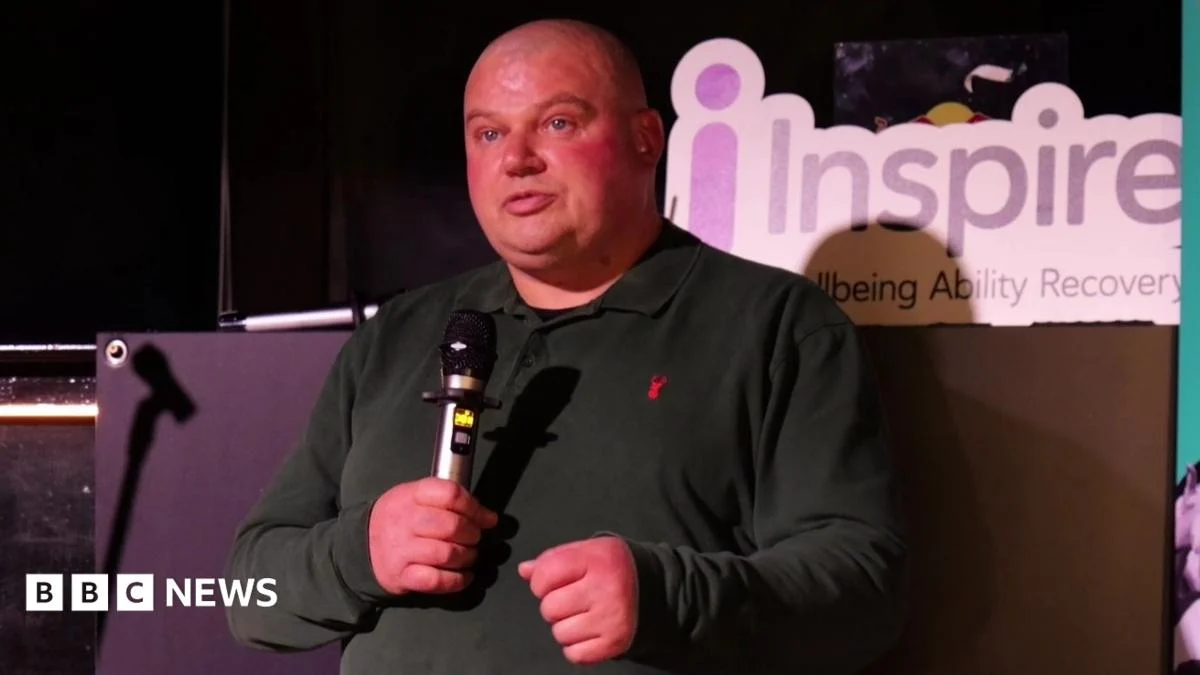
Michael, like many, has spent several years navigating significant mental health challenges, enduring periods of diminished confidence and the isolating effects that often accompany such struggles. His journey, marked by a conscious effort to seek professional help and personal strategies for well-being, led him to an unconventional path: the world of stand-up comedy. For someone grappling with self-doubt, the prospect of stepping onto a stage, alone under a spotlight, tasked with making strangers laugh, is undeniably daunting. It represents a direct confrontation with core anxieties about judgment, failure, and self-worth. Yet, Michael chose to embrace this formidable challenge, recognizing its potential for personal growth.
His initial foray into comedy was underpinned by a pragmatic, almost therapeutic, thought process. "The first thing I said was: ‘What’s the worst that can go wrong?’" This question, a classic technique in cognitive behavioral therapy (CBT) for managing anxiety, allowed him to reframe the intimidating situation. By confronting the imagined worst-case scenarios, he could mentally prepare for potential setbacks and, crucially, understand that even the "worst" was survivable and offered lessons. This mindset proved invaluable during his inaugural performance. He openly recounts a moment of intense vulnerability: "I did stutter at the start, I sort of froze – but I came back in again." This experience, rather than being a defeat, became a testament to his resilience. The ability to falter, regain composure, and continue not only impressed the audience but, more importantly, instilled in Michael a profound sense of accomplishment. "Just a joy to get up there. I think I kept it together well," he reflects, highlighting the intrinsic reward of overcoming internal resistance. His success wasn’t accidental; it was cultivated through dedication. "My wee trick was I done a lot of practising," he admits, underscoring the importance of preparation in building confidence and competence, transforming fear into performance.
Michael’s commitment to stand-up extends beyond a single performance. He has now successfully performed three gigs, each time delivering his own unique material. The authenticity of his content is paramount to him: "It’s all true, I didn’t make any of this stuff up." This commitment to truth-telling on stage is a powerful aspect of comedy’s therapeutic potential. Sharing personal experiences, especially those related to vulnerability or past struggles, can be incredibly cathartic. It allows the comedian to process their own narrative, reframe difficult memories with humor, and create a shared understanding with the audience. This act of transforming lived experience into relatable comedy not only validates the performer’s journey but also offers a powerful message to others in the audience who may be facing similar challenges: you are not alone, and your story has value.
Carla Sloan’s journey into stand-up echoes Michael’s in its unexpected nature, yet presents its own unique narrative of overcoming deep-seated mental health issues. Having contended with mental health struggles for the majority of her adult life, Carla had never once entertained the notion of stepping onto a comedy stage. Her efforts to manage her condition had previously focused on more traditional avenues, such as "lots of mental health courses on emotional resilience and stuff." While valuable, these courses, designed to equip individuals with coping mechanisms and psychological tools, are primarily theoretical or involve controlled group interactions. Stand-up, by contrast, demands active, public, and unscripted engagement with vulnerability.
The stark difference between theory and practice became acutely clear for Carla on the day of her first stand-up workshop. Her initial reaction was one of overwhelming fear, a visceral response that nearly halted her progress entirely. "The first day I drove into the car park and then I was like: ‘No.’ I turned the car around and I drove back down the road," she recounts. This moment of acute anxiety, a common experience for individuals facing significant challenges, represents the powerful internal battle between the desire for change and the deeply ingrained fear of the unknown. However, a crucial turning point occurred. "And then I thought: ‘Ah, I’m here, I might as well go in and see what it’s about’." This shift from retreat to hesitant curiosity marked a pivotal decision, a moment of choosing courage over comfort. It was a leap of faith that opened the door to a transformative experience, one that her previous resilience courses, while foundational, could not replicate in its intensity or immediate impact.
The therapeutic benefits of stand-up comedy extend far beyond the stage. Psychologists and mental health professionals increasingly recognize the value of creative expression in fostering mental well-being. Humor, in particular, has been shown to reduce stress, lower blood pressure, and release endorphins, acting as a natural mood booster. But stand-up comedy offers something more profound. It compels individuals to confront their social anxieties head-on, effectively serving as a form of exposure therapy. For someone with low confidence, the act of speaking publicly, let alone making people laugh, is a monumental achievement that can fundamentally rewire self-perception. Each successful joke, each ripple of laughter from the audience, acts as positive reinforcement, gradually dismantling negative self-talk and building a stronger, more resilient self-image.
Moreover, the process of writing comedy material often involves a unique form of cognitive reframing. Comedians are encouraged to find the humor in their struggles, to observe their own lives from a slightly detached, often absurd perspective. This act of transforming painful or embarrassing experiences into jokes allows them to gain a sense of control over their narrative. It shifts the power dynamic from being a victim of circumstances to being the storyteller, the one who can elicit laughter from shared human imperfections. This reframing is not about trivializing pain but about finding a way to process it, to integrate it into one’s identity in a way that is empowering rather than debilitating. The authenticity Michael emphasizes, and the willingness of Carla to even step through the door, are testaments to this profound psychological work.
The communal aspect of stand-up is also a significant contributor to mental well-being. Performing for an audience creates a unique connection, a shared moment of vulnerability and laughter. This social validation can be incredibly healing for individuals who may have felt isolated by their mental health struggles. The laughter of an audience signals acceptance, understanding, and a shared humanity. It tells the comedian that their experiences, even the difficult ones, resonate with others, reducing feelings of shame and fostering a sense of belonging. Furthermore, the camaraderie among aspiring comedians, often formed in workshops and open mic nights, provides a supportive community where individuals can share their fears, triumphs, and creative processes, further reinforcing positive mental health outcomes.
In an era where mental health awareness is paramount, stories like Michael’s and Carla’s offer compelling evidence of the diverse pathways to healing and self-empowerment. They demonstrate that growth often lies just beyond the boundaries of our comfort zones, and that sometimes, the most effective therapy can be found in the most unexpected places. Stand-up comedy, with its unique demands for vulnerability, creativity, and resilience, provides a powerful platform for individuals to transform their personal narratives, confront their deepest fears, and ultimately, find their voice, one laugh at a time. It’s a testament to the human spirit’s capacity to find light and humor even in the darkest of experiences, proving that sometimes, the best way to heal is to step into the spotlight and share your truth with the world.
