

"Louisiana is unique in dedicating a significant portion of its opioid settlement funds directly to sheriffs, creating a critical test case for how these crucial dollars are being allocated. While some sheriffs are investing in programs aimed at rehabilitation and community support, others are prioritizing law enforcement equipment, raising concerns about whether the spirit of the settlements is being upheld."
In a departure from national trends, Louisiana has allocated an unprecedented 20% of its opioid settlement funds directly to its sheriffs, the largest carve-out for law enforcement nationwide. This unique approach, detailed in a collaborative investigation by KFF Health News and three Louisiana news outlets—The Current, Gulf States Newsroom, and Verite News—reveals a complex landscape of spending that highlights a significant divergence in how these funds are being utilized across the state. The investigation, which involved contacting all 64 sheriffs and meticulously reviewing their expenditures, uncovers a critical debate: whether these funds, intended to address the devastating opioid crisis, are being channeled towards effective treatment and prevention, or are being absorbed into the operational budgets of law enforcement agencies.
Every state in the nation is receiving payouts from settlements with pharmaceutical companies accused of fueling the overdose epidemic. However, Louisiana’s decision to channel a substantial portion of these funds to its independently elected sheriffs, who control their own budgets and are not mandated to publicly report on every expenditure, has created a challenging environment for transparency and accountability. For the average citizen, tracking the allocation of these billions has been difficult, often requiring public records requests or waiting for official audits. Many view these funds as "blood money," believing they should be exclusively dedicated to abating the addiction crisis and supporting those affected by it, rather than enhancing law enforcement capabilities.
The collaborative reporting effort, spanning five months, involved extensive outreach to all 64 Louisiana sheriffs, including the filing of numerous public records requests, to produce the first comprehensive accounting of millions in settlement funds. This initiative underscores the growing national conversation surrounding the role of law enforcement in utilizing opioid settlement money, a debate that has intensified since these funds began flowing significantly in 2022. As settlements, including the $7.4 billion bankruptcy finalized by Purdue Pharma, maker of OxyContin, continue to provide substantial financial resources for over a decade, the competition for these funds has become fierce. Law enforcement agencies argue that their efforts in drug interdiction and arrests are vital for saving lives and that the opioid crisis has strained their budgets. Conversely, many recovery advocates strongly oppose any allocation of these funds to what they perceive as a failed "war on drugs."
The absence of stringent regulations governing the expenditure of these funds means that local politicians and residents’ perspectives on addiction and effective intervention strategies heavily influence how the money is spent. Louisiana’s approach serves as a natural experiment, offering a unique opportunity to observe the priorities that emerge when settlement funds are directly entrusted to sheriffs. The state’s agreement with parishes and sheriffs allows for broad categories of spending, including "law enforcement expenditures relating to the opioid epidemic." However, as addiction and public health experts point out, legal compliance does not necessarily equate to appropriate or effective use of these funds.
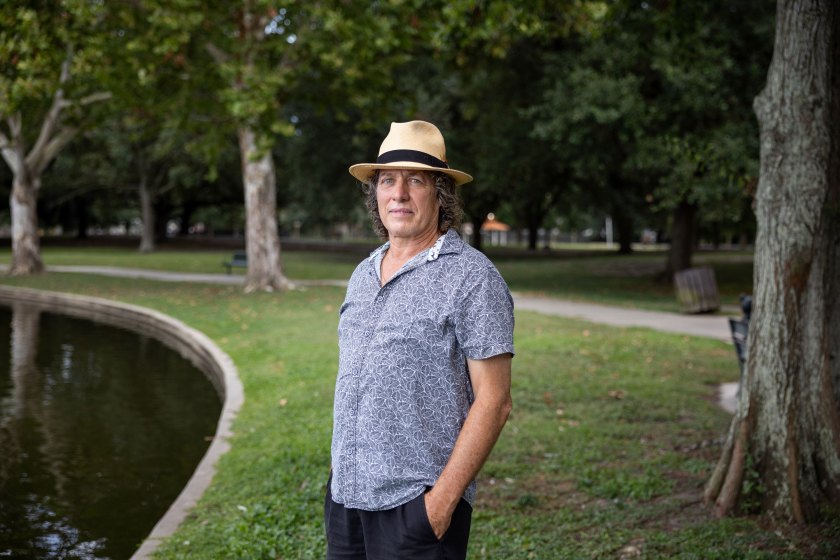
Danny Bolner Jr., a Jefferson Parish resident who has been in recovery for over two decades and lost his 28-year-old son to a fentanyl overdose in 2016, expressed deep concern over expenditures that do not directly address addiction. Representing the views of families impacted by the crisis on a review panel, Bolner criticized purchases like drones and vehicles, arguing that the funds should instead support youth education on emotional processing, job training for individuals in recovery, and the distribution of overdose reversal medications. "This money is what we have to save lives," he stated, emphasizing that misallocating these finite resources would leave future generations without critical support.

Tricia Christensen, a public health policy analyst and national expert on opioid settlements who served on the review panel, emphasized that the core intent of these funds is to foster innovative solutions to prevent future tragedies. She posited that sheriffs should be focused on reinvesting in the community rather than solely expanding their own offices. Many of the equipment purchases by sheriffs, she noted, did not align with this principle. For instance, the East Baton Rouge Sheriff’s Office acquired a safe for evidence storage and a scanner for their traffic division to detect narcotics. The Terrebonne Parish Sheriff’s Office allocated a significant $465,000 for Flock cameras, automated license plate readers that share vehicle data nationwide. The Bossier Parish Sheriff’s Office invested in 130 body cameras and 50 dash cameras. Christensen and other reviewers argued that sheriffs already have access to taxpayer dollars and federal grants for such law enforcement tools, and opioid settlement cash, with its specific purpose, should not be diverted for these acquisitions. Some states, she pointed out, explicitly prohibit such expenditures.
Kevin Cobb, executive director of the Louisiana Sheriffs’ Association, countered that sheriffs’ budgets are often stretched thin, and taxpayer money may not always cover essential needs. He argued that complex investigations into drug trafficking syndicates require advanced equipment. Casey Rayborn Hicks, a spokesperson for the East Baton Rouge Sheriff’s Office, stated that while treatment and recovery services are indispensable, law enforcement plays a crucial role in preventing deadly drugs from entering communities in the first place. First Lt. Blake Tabor, a spokesperson for the Terrebonne Sheriff’s Office, echoed this sentiment, highlighting the agency’s focus on disrupting criminal activity that fuels addiction. The Bossier Parish Sheriff’s Office declined to comment.
However, not all sheriffs have directed settlement funds towards enforcement. Acadia Parish Sheriff K.P. Gibson has dedicated all his settlement money to providing treatment for incarcerated individuals, aiming to break cycles of addiction and crime and enable productive reintegration into society. Research supports the efficacy of providing medications for opioid use disorder in correctional facilities, demonstrating reductions in recidivism and overdose deaths. In St. Martin Parish, settlement funds facilitated the creation of a specialized team of officers tasked with connecting individuals with substance use disorders or related mental illnesses to treatment and coordinating support services for their families. Chester Cedars, chief legal counsel for the St. Martin Parish Sheriff’s Office, described their role as a "broker" between those in need and service providers.
Dr. Stephen Loyd, an addiction medicine doctor and the West Virginia drug czar, who was the third reviewer, praised the comprehensive nature of programs like the one in St. Martin Parish, recognizing addiction as a complex family issue. The fact that these parishes received high marks from the reviewers is not coincidental; Cedars is the former chair of the Louisiana Opioid Abatement Task Force, and Gibson is its current chair. This task force is intended to guide priority uses of settlement funds. Cedars explicitly stated that the St. Martin Sheriff’s Office was not using any settlement money for enforcement activities, as that was not the intended purpose of the funds. Gibson, while more cautious, acknowledged the broad legal guidelines and stated his reluctance to criticize others, despite advising several sheriffs on expenditures.
A 2025 report by the Louisiana Legislative Auditor indicated that the Opioid Abatement Task Force lacks the authority to enforce its recommendations. Gibson suggested that new legislation would be necessary to establish stricter guardrails on how these funds are spent. In response to these concerns, the Louisiana state legislature passed a resolution in May calling for the legislative auditor to review how all parishes and sheriffs are managing their opioid settlement money. State Sen. Brach Myers, a Republican co-author of the resolution, aims to provide clarity on fund allocation, identify jurisdictions that may not be spending their funds, and assess program effectiveness, which could lead to future legislation to refine spending guidelines.
The Louisiana Opioid Abatement Task Force is also working to enhance its oversight. Curtis Nelson, executive counsel for the Louisiana Opioid Abatement Administration Corporation, stated that the task force is seeking proposals from accounting firms to conduct ongoing forensic audits of parishes and sheriffs. The goal is to audit 10 to 15 entities annually, prioritizing those receiving the largest sums. Such audits could lead to the withholding of future payments to those found to have misused funds. The task force is also considering the creation of an "unallowable list," similar to those in other states, which would specify expenditures that are not permitted. Louisiana Governor Jeff Landry and Attorney General Liz Murrill did not respond to inquiries regarding their stance on such measures.
Advocates like Danny Bolner Jr. express hope that an unallowable list could curb spending that they deem concerning. "You’re keeping them on the track when you tell them what they can’t use it for," Bolner remarked. While awaiting increased oversight, Bolner continues his efforts to distribute overdose reversal medications, participate in grief support groups, and raise awareness about addiction. He remains committed to engaging with sheriffs and parishes to advocate for what he considers the most effective use of settlement money, believing that saving even one life is a significant accomplishment.
Methodology
Reporters from KFF Health News, The Current, Gulf States Newsroom, and Verite News collaborated to contact all 64 sheriff’s offices in Louisiana between March and July to ascertain their expenditures of opioid settlement funds. This involved numerous phone calls and emails. Offices that did not respond or provide specific financial details were marked as "Did not provide expenditures." All other responses were compiled into a data table.
The projected settlement allocations for each sheriff’s office through 2025 were obtained from a public spreadsheet provided by the Louisiana Opioid Abatement Task Force, summing allocations from 2021 through 2025. In instances where a sheriff’s office reported spending more than allocated, it was often due to the combination of opioid settlement funds with parish government funds or other sources. Some sheriffs may have also reported expenditures from their 2026 allocations.
The collected data was analyzed using two distinct methods. First, reporters created an anonymized list of expenditures, removing sheriff’s office names, and shared it with three reviewers: Tricia Christensen, a public health policy expert; Stephen Loyd, an addiction medicine doctor and former chair of Tennessee’s Opioid Abatement Council; and Danny Bolner Jr., an individual in recovery who lost his son to an overdose. Each reviewer voted on whether each expenditure was an appropriate use of opioid settlement money. The majority decision determined the final classification. This analysis calculated the percentage of expenditures deemed inappropriate by the panel for each sheriff’s office.
Second, KFF Health News examined expenditures against "unallowable lists" from six states (California, Indiana, Kansas, Michigan, South Carolina, and Virginia) that specify prohibited uses of opioid settlement funds. The analysis calculated the percentage of expenditures by each Louisiana sheriff’s office that would have been deemed unallowable or not recommended in one or more of these states.
The Current’s Alena Maschke, Gulf States Newsroom’s Drew Hawkins, and Verite News’ Katie Jane Fernelius contributed to the database featured in this article.
