
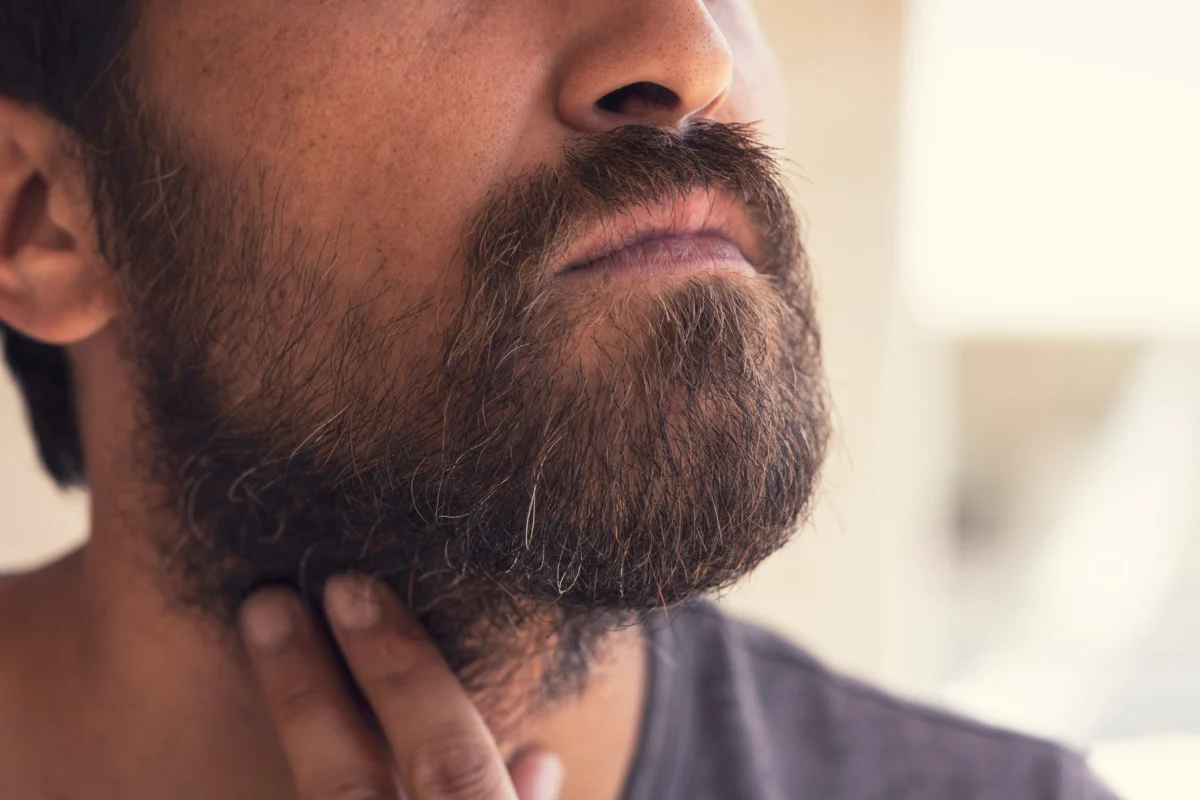
"Beard dandruff is not a hygiene failure but a biological reaction to yeast and oil; managing it requires a consistent maintenance strategy that balances skin hydration with microbial control."
While the aesthetic appeal of a well-groomed beard is undeniable, the physiological complexities of maintaining facial hair often lead to overlooked dermatological challenges, most notably seborrheic dermatitis of the face. Commonly known as beard dandruff, this condition affects men of all hair lengths and skin types, triggered by a combination of natural yeast colonies and sebum production. Understanding the underlying science of the facial microbiome is the first step toward transforming a frustrating, flaky irritation into a healthy, well-managed grooming routine.

The Science of the Beard Microbiome
To effectively treat beard dandruff, one must first understand the biological environment of the face. The skin is a complex ecosystem populated by a microbiome of bacteria and fungi. In the context of dandruff, the primary culprit is a genus of yeast called Malassezia. This yeast is lipophilic, meaning it thrives in oily environments. It resides naturally on the skin, feeding on the sebum (natural oils) produced by the sebaceous glands.
When Malassezia breaks down sebum, it produces oleic acid as a byproduct. For many individuals, this acid penetrates the skin barrier and triggers an inflammatory response. This response accelerates the life cycle of skin cells, causing them to die and shed at a rapid rate. These clumps of dead skin cells are what we recognize as dandruff. In the warmth and moisture of a beard, this process can become exacerbated, leading to chronic itching, redness, and visible flaking.
Identifying the Symptoms
Beard dandruff is often mistaken for simple dry skin, but the two conditions require different interventions. Dry skin (xerosis) typically presents as small, white, powdery flakes and is usually caused by cold weather or harsh soaps. In contrast, beard dandruff (seborrheic dermatitis) often manifests as larger, yellowish, or greasy-looking flakes.
According to Gian Antonio Pisterzi, master barber and founder of Pisterzi Italian Grooming Art, the skin under the beard may become chronically itchy and present with red patches. In more severe cases, white clumps may become trapped within the hair follicles, creating a "crusty" sensation. Because the beard acts as a trap for these skin cells and oils, the condition can worsen if the underlying skin is not reached during the cleaning process.
The Foundation of Treatment: Medicated Intervention
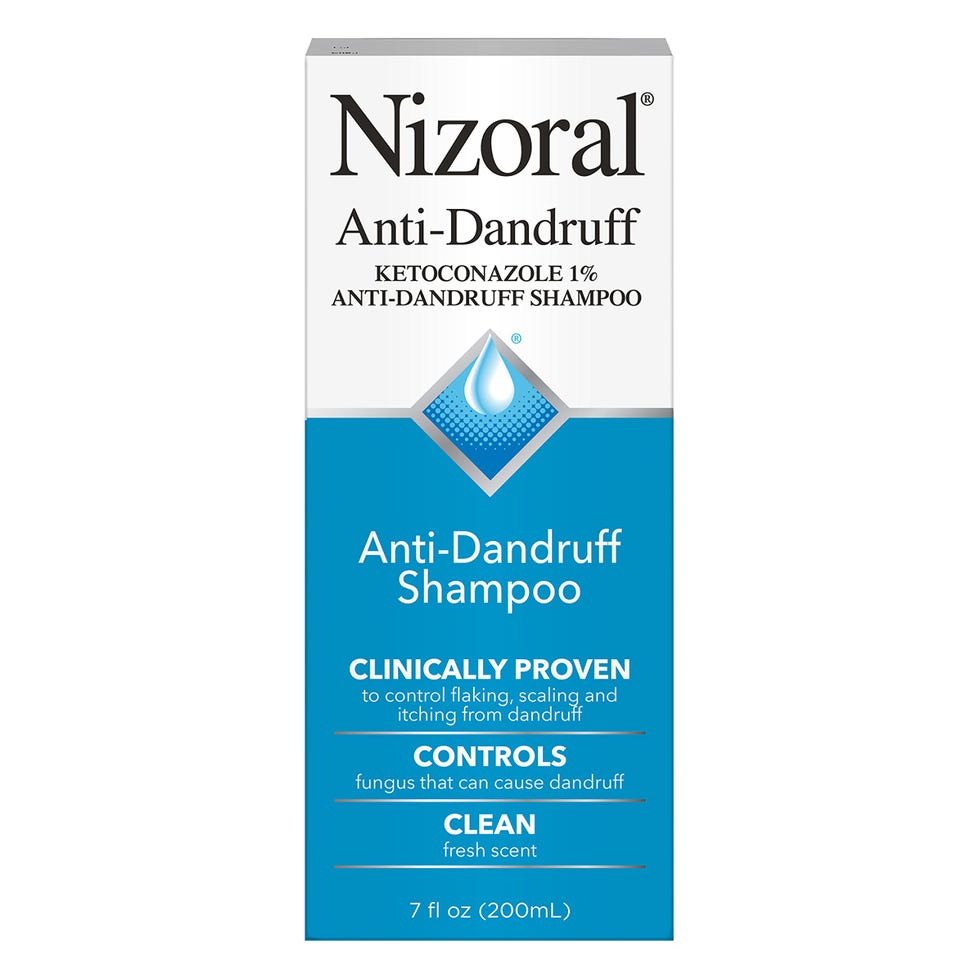
The most effective way to combat an overgrowth of Malassezia is through the use of targeted anti-dandruff shampoos. While many men assume these products are strictly for the scalp, the active ingredients—such as ketoconazole, zinc pyrithione, or selenium sulfide—are equally effective on facial skin.
Dr. Robert Finney, a board-certified dermatologist, emphasizes that the "contact time" of the product is the most critical factor in its efficacy. He recommends applying the shampoo to the base of the beard hair, ensuring it reaches the skin, and allowing it to sit for at least five minutes before rinsing. This duration allows the antifungal agents to penetrate the biofilm of the yeast. Dr. Finney suggests this medicated wash be performed one to three times per week, depending on the severity of the flare-ups. Between these sessions, the skin needs time to recover its natural pH balance.
Daily Maintenance and Hydration Strategies
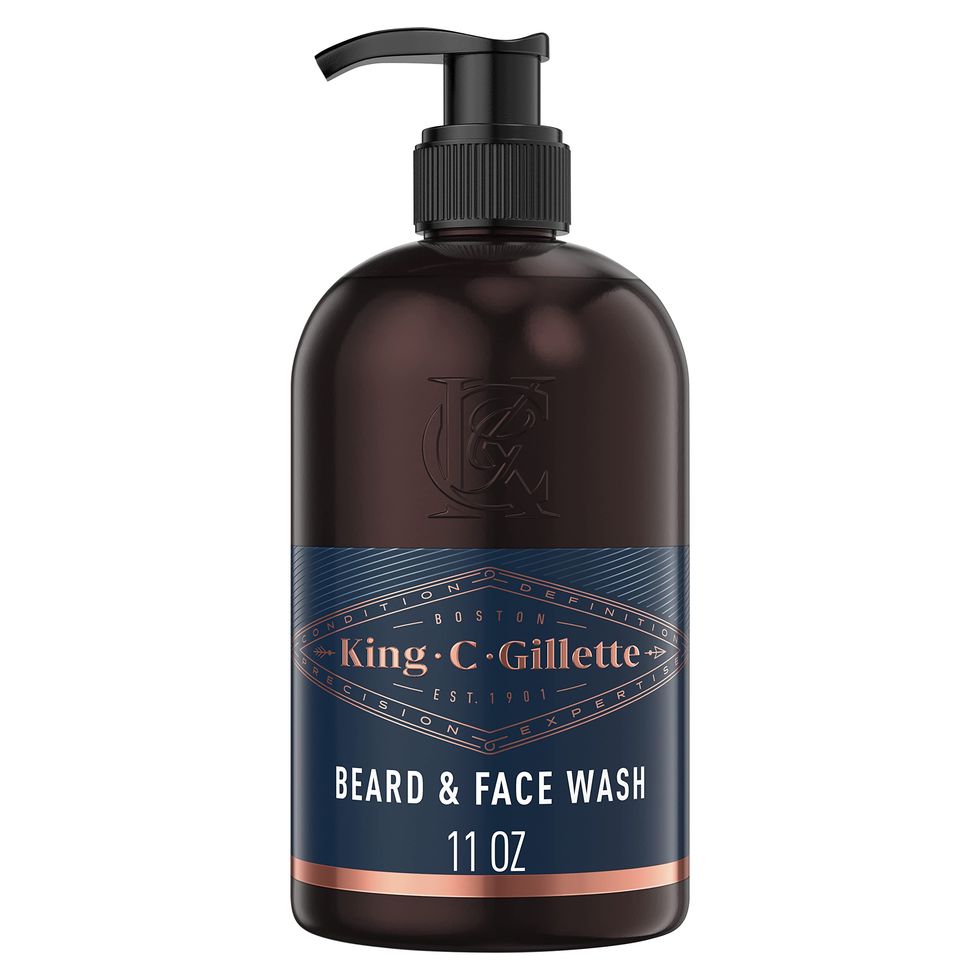
On days when medicated shampoos are not in use, the focus should shift to gentle cleansing and intensive hydration. Using standard bar soaps or harsh body washes on the face can strip away essential lipids, damaging the skin barrier and actually prompting the body to produce more oil to compensate. This excess oil, in turn, provides more fuel for the Malassezia yeast.
Barber David Falla advises looking for cleansers enriched with nourishing ingredients like coconut water, argan oil, and avocado. These ingredients provide "biocompatible" moisture that mimics the skin’s natural oils without being overly heavy or comedogenic.
Furthermore, the application of a dedicated beard moisturizer or "scruff lotion" is essential. Unlike heavy beard oils, which can sometimes clog pores if over-applied, a lightweight moisturizer designed for both the hair and the skin helps maintain the integrity of the skin barrier. This prevents the "rebound oiliness" that often triggers dandruff cycles.

The Role of Exfoliation
Because beard hair is often thicker and more coarse than scalp hair, dead skin cells can easily become trapped near the follicle. Regular exfoliation—performed once or twice a week—is necessary to clear this debris.
For men with shorter beards or stubble, a physical face scrub may be sufficient. However, for those with dense or long beards, physical granules often get stuck in the hair and fail to reach the skin. In these cases, a chemical exfoliator, such as a 2% BHA (salicylic acid) liquid, is superior. Salicylic acid is oil-soluble, meaning it can travel into the pores and dissolve the "glue" holding dead skin cells together. This process not only reduces flakiness but also prevents the formation of ingrown hairs, which can further irritate the skin.
Mechanical Care and Grooming Habits
The way a man handles his beard during the washing and drying process significantly impacts skin health. Gian Antonio Pisterzi warns against the common habit of scratching the beard while washing. While it may provide temporary relief from itching, scratching creates micro-tears in the skin, which can lead to secondary bacterial infections and increased inflammation. Instead, the beard should be massaged using gentle, circular motions with the fingertips.

Post-wash care is equally vital. Rubbing a beard vigorously with a towel can damage the hair cuticle and irritate the sensitive skin underneath. The professional recommendation is to pat the beard dry with a clean towel. For longer beards, using a blow dryer on a cool or low-heat setting can ensure that moisture isn’t trapped against the skin for extended periods, as a damp, warm environment is the ideal breeding ground for yeast.
Trimming as a Preventative Measure
Regular trimming is more than an aesthetic choice; it is a functional necessity for dandruff management. Long, unkempt beards make it difficult for topically applied treatments to reach the skin surface. By maintaining a groomed length and clear lines, a man ensures that his cleansers, exfoliants, and moisturizers can perform their intended functions. Trimming also removes split ends and damaged hair that can trap excess oil and environmental pollutants.
Managing Acute Flare-ups
Despite a rigorous maintenance routine, external factors such as high stress, seasonal changes, or diet can trigger acute flare-ups of seborrheic dermatitis. During these periods, the skin may become exceptionally red and inflamed.

Dr. Finney suggests that a mild over-the-counter hydrocortisone solution can be used to dampen the inflammatory response. However, he cautions that steroid creams should be used sparingly on the face—no more than 10 days per month. Prolonged use of topical steroids on facial skin can lead to skin thinning (atrophy) or the development of perioral dermatitis. If a flare-up does not respond to a short course of treatment, consultation with a dermatologist is required to rule out other conditions like psoriasis or discoid lupus.
Conclusion: A Year-Round Commitment
Beard dandruff is a chronic condition, meaning there is no permanent "cure," but rather a state of successful management. The goal is to create a skin environment that is inhospitable to yeast overgrowth while remaining healthy and hydrated. By combining medicated treatments with proper cleansing, exfoliation, and mechanical care, any man can maintain a flake-free, professional-looking beard. The key lies in consistency; a proactive approach to facial skin health ensures that the "grooming possibilities" of a beard remain a source of confidence rather than a source of irritation.
