
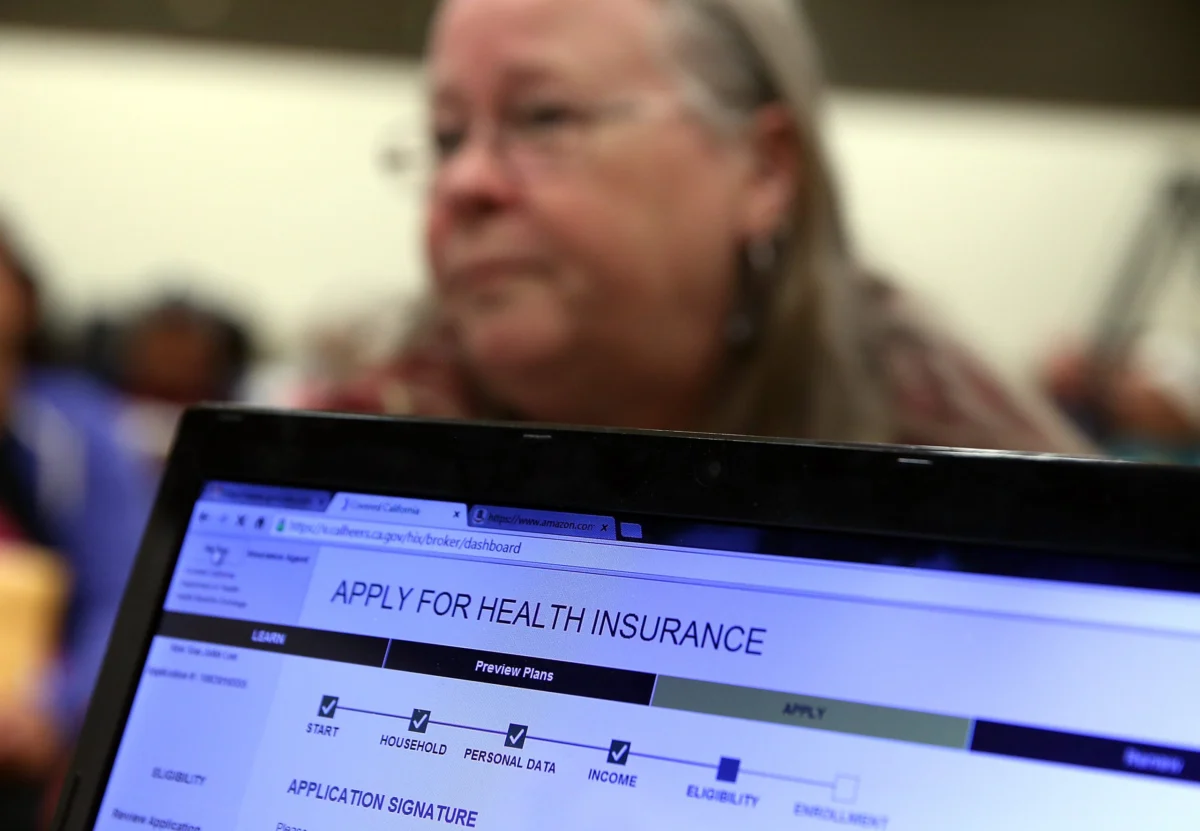
"The biggest change to Medicaid in a generation is accelerating toward a deadline that most enrollees do not yet know about, and the clock is running."
This stark warning signals a seismic shift for millions of Americans relying on Medicaid for their health coverage. A landmark piece of legislation, the One Big Beautiful Bill Act, signed into law on July 4, 2025, is ushering in stringent new requirements for Medicaid expansion enrollees. Beginning this winter, many will need to actively prove they are meeting work, education, or community service obligations to retain their essential health benefits, a process that experts fear will lead to widespread coverage loss due to administrative hurdles rather than a lack of genuine need.
The One Big Beautiful Bill Act, a sweeping piece of legislation enacted in mid-2025, mandates that most adults enrolled in Medicaid expansion programs must now demonstrate at least 80 hours per month of qualifying work, education, job training, or community service to maintain their health coverage. This significant policy shift is not a distant prospect; states are required to begin verifying compliance by December 31, 2026. Early adopters are already implementing these changes. Nebraska was the first state to enforce these new rules, launching its verification process on May 1, 2026. Montana and Arkansas followed suit in July 2026, with Iowa slated to begin its enforcement on December 1, 2026. All remaining states that have expanded Medicaid must be in compliance by January 1, 2027, though extensions are possible until December 31, 2028, for states that can demonstrate a diligent and good-faith effort in implementing the law.
The potential impact of this legislation is substantial. A comprehensive study by the RAND Corporation, published in February 2026, estimated that the combined provisions of the One Big Beautiful Bill Act—including these work requirements, more frequent eligibility redeterminations, and adjustments to provider taxes—could lead to a reduction of 7.6 million Medicaid enrollees by 2034. This figure underscores the profound and far-reaching consequences of this policy change for individuals, families, and the broader healthcare landscape.
Why This Matters: Beyond Policy Debates to Tangible Realities
For a significant portion of the population, the One Big Beautiful Bill Act transcends abstract policy discussions and represents a concrete, impending deadline with direct and potentially severe ramifications: the loss of essential health coverage or the challenge of navigating a complex new documentation system. This new reality is particularly concerning given historical precedent and analyses from leading health policy research organizations.
Experts, including analysts at the Kaiser Family Foundation (KFF), emphasize a critical lesson learned from prior work requirement programs: the majority of individuals who lose coverage do not do so because they are unwilling or unable to work. Instead, the primary driver of coverage loss is the failure to adequately document their qualifying activities within the stipulated timeframes. This pattern was starkly illustrated in Arkansas in 2018, when the state implemented a limited work requirement under a federal waiver. Approximately 18,000 individuals lost their Medicaid coverage before a federal court intervened and halted the program in 2019. Subsequent reviews revealed that most of these individuals were, in fact, working or met exemption criteria.
A similar dynamic contributed to the extensive coverage losses experienced during the 2023 Medicaid unwinding. During that period, millions lost their coverage primarily due to administrative issues and incomplete paperwork during the renewal process, rather than being found ineligible for the program. This experience highlights the vulnerability of enrollees to bureaucratic complexities, even when they remain otherwise eligible.
Compounding these concerns, the One Big Beautiful Bill Act also institutes a significant procedural change: Medicaid eligibility redeterminations will shift from an annual to a semiannual basis, commencing on December 31, 2026. The Congressional Budget Office (CBO) projected that this measure alone could result in an additional 700,000 individuals losing coverage by 2034, further exacerbating the potential for widespread disenrollment.
What We Know So Far: Quantifying the Impact
The RAND Corporation’s extensive modeling of the 12 provisions within the One Big Beautiful Bill Act offers a detailed outlook on its potential effects. Across all components, RAND estimated a collective impact of 7.6 million fewer individuals enrolled in Medicaid by 2034. This reduction is projected to lead to significant fiscal savings, with state Medicaid budgets declining by an estimated $664 billion over the same period. The federal government is anticipated to realize savings of $714 billion, a figure that aligns closely with independent estimates from the Congressional Budget Office.
The work requirements themselves are identified as the single largest driver of these projected enrollment declines. RAND estimated that these provisions alone will reduce state budgets by nearly $350 billion through 2034 and lead to an enrollment decrease of approximately 5.2 million individuals. Crucially, RAND’s analysis suggests that roughly 10% of individuals who are compliant with the work requirements will still lose coverage due to administrative failures, such as missed deadlines or incomplete documentation, rather than actual noncompliance.
Further complicating the landscape, the Centers for Medicare & Medicaid Services (CMS) issued an interim final rule on June 1, 2026. This rule included a definition of "medical frailty" that was narrower than some anticipated, potentially excluding individuals who had expected to be exempt from the work requirements. The Center for Health Care Strategies (CHCS) noted that these exclusions could lead to an underestimation of the true impact of the June 2026 rule. KFF data indicates that the CBO estimates 18.5 million adults will be subject to work requirements annually, positioning this as one of the most substantial administrative compliance burdens ever imposed on a public health program.
Where the Risk Is Highest: State-Level Disparities
The impact of the One Big Beautiful Bill Act is not uniform across all states; it varies significantly based on several factors, including a state’s reliance on provider taxes, the utilization of state-directed payments, and the size of its Medicaid expansion population. The RAND study identified specific states facing the most severe enrollment declines:
- Kentucky: Expected to see a substantial reduction in its Medicaid enrollment.
- Indiana: Projected to experience significant coverage losses.
- New Hampshire: Anticipated to face considerable declines in its Medicaid population.
- Maine: Predicted to have a notable decrease in Medicaid enrollees.
- Michigan: Identified as a state likely to experience significant enrollment drops.
Preethi Rao, a senior economist at RAND and the lead author of the study, highlighted this variability, stating, "The effects of the law on Medicaid budgets and enrollment are substantial, but will vary widely across states, and in some cases may be at least partially offset by savings to the state general fund."
Rural communities, in particular, are disproportionately at risk. While the law includes a $50 billion Rural Health Transformation Program through 2030, health policy advocates express concern that this funding may not adequately compensate for the loss of insurance coverage that rural providers and their patients depend on.
What Doctors and Experts Say: Alarms Sounded Across the Medical Community
The American Medical Association (AMA) has unequivocally opposed the One Big Beautiful Bill Act, expressing strong objections to its passage. The organization has stated that the legislation is projected to cause an estimated 11.8 million individuals to lose their health care coverage.
Emergency medicine specialists have also voiced grave concerns. A peer-reviewed analysis published in the National Institutes of Health database predicts immediate consequences for emergency physicians, including an influx of uninsured patients who are sicker and present their conditions at later, more advanced stages. This same paper cited research from the National Bureau of Economic Research (NBER) indicating that Medicaid expansion has historically reduced the overall risk of death by 2.5%, with a more pronounced reduction of up to 20% among newly eligible individuals. Between 2010 and 2022, Medicaid expansion is estimated to have saved approximately 27,400 lives.
The Urban Institute and the Robert Wood Johnson Foundation project that between 4.9 and 10.1 million people could lose Medicaid expansion coverage by 2028, solely from the combined effects of work requirements and semiannual redeterminations. This range depends heavily on the extent to which states actively work to prevent eligible individuals from losing their coverage through proactive measures.
What the Evidence Shows—And What It Does Not
The empirical evidence regarding the effectiveness of Medicaid work requirements remains limited, with historical examples primarily from Arkansas (2018) and Georgia (2023-present). Critically, neither of these programs has produced reliable evidence demonstrating that work requirements actually increase employment among enrollees. A survey of health policy scholars revealed that a majority do not believe that work requirements will lead to a significant rise in employment among Medicaid beneficiaries.
What the existing evidence consistently demonstrates is that work requirements substantially increase the administrative burden on states, individuals, and healthcare providers. The resulting coverage losses are disproportionately driven by administrative and documentation failures among individuals who were already working, already exempt from requirements, or already eligible for coverage.
KFF’s analysis further notes that, according to its own research, a majority of Medicaid adults under the age of 65 are already employed or face documented barriers to employment, such as caregiving responsibilities, chronic illness, or disabilities. The imposition of work requirements, therefore, adds compliance and documentation costs to a population that largely already aligns with the policy’s intent.
Who Faces the Greatest Risk: Identifying Vulnerable Enrollees
Enrollees facing the highest risk of losing coverage under the new requirements include:
- Individuals with fluctuating work hours or unstable employment: Those in seasonal jobs, gig economy work, or part-time positions may struggle to consistently meet the 80-hour threshold or provide documentation.
- Caregivers: Adults who provide care for children, elderly relatives, or disabled family members may not be able to dedicate 80 hours per month to paid work or qualifying activities.
- Individuals with intermittent health conditions: Those experiencing periods of illness or managing chronic conditions that temporarily impact their ability to work or participate in training may face challenges.
- People with limited digital literacy or access: The reliance on online portals, electronic documentation, and consistent communication with state agencies can be a barrier for individuals lacking technological access or proficiency.
- Individuals experiencing housing instability or homelessness: Maintaining consistent contact information, reliable transportation, and access to documentation can be extremely difficult for those without stable housing.
- Those facing language barriers: Individuals for whom English is not their primary language may encounter significant difficulties navigating complex application processes and understanding program requirements.
Exemptions from the work requirements are available for specific populations, including pregnant individuals, postpartum mothers within 12 months of delivery, children, adults primarily responsible for caring for young children, individuals meeting the definition of medically frail, and full-time students. However, the specific criteria for these exemptions can vary by state.
What You Can Do Now: Proactive Steps for Enrollees
Medicaid enrollees should take immediate action to safeguard their coverage:
- Verify and update contact information: Ensure your address, phone number, and email address are current with your state Medicaid agency to receive all official notices.
- Understand your state’s specific requirements: Familiarize yourself with the exact work, education, or training activities that qualify in your state, as well as the documentation needed.
- Confirm your exemption status: If you believe you qualify for an exemption, proactively contact your state Medicaid agency to confirm your status and the required documentation.
- Begin documenting qualifying activities: Start keeping detailed records of your work hours, educational pursuits, job training sessions, or community service engagements.
- Explore alternative coverage options: Research eligibility for marketplace plans (ACA exchanges) or employer-sponsored insurance in case coverage is lost.
Cost and Access: What Patients Should Know
While participation in the work requirement compliance process is free, it demands significant investments of time, meticulous documentation, and consistent communication with the state Medicaid agency. For many low-income enrollees, these are not insignificant hurdles.
Individuals who lose Medicaid coverage may find alternative pathways to healthcare:
- Affordable Care Act (ACA) Marketplace Plans: Subsidies are available to help lower the cost of private insurance purchased through the ACA marketplaces.
- Employer-Sponsored Insurance: If employed, individuals may be eligible for health insurance through their employer.
- Medicare: While less common for individuals losing Medicaid expansion coverage, eligibility for Medicare may apply in specific circumstances, such as age or disability.
Losing Medicaid does not necessarily mean losing all access to care, but it invariably leads to higher out-of-pocket expenses, increased administrative complexity, and potential interruptions to ongoing care. For individuals managing chronic conditions, these disruptions can have serious and lasting health consequences.
What Happens Next: The Ongoing Rollout and Legal Challenges
Iowa is scheduled to begin its enforcement on December 1, 2026, with all remaining expansion states required to be in compliance by December 31, 2026, or January 1, 2027, at the latest. Extensions to December 31, 2028, are possible for states demonstrating good-faith implementation efforts. CMS will continue to issue implementation guidance. The American Medical Association and various advocacy organizations are actively engaged in legal and regulatory challenges, though no court has yet succeeded in blocking the federal law. MedicalDaily will continue to monitor state-by-state implementation, enrollment data, and new guidance from CMS as these critical deadlines approach.
The Bottom Line: A Call to Action Amidst Approaching Deadlines
Medicaid work requirements are no longer a theoretical policy discussion; they are now law, actively enforced in several states, with a national deadline looming this December. The most significant risk is not that individuals will fail to work, but rather that those who are already working, caregiving, or otherwise exempt will lose essential coverage due to missed forms, overlooked notices, or simple administrative errors. Proactive engagement is crucial: update your address, confirm your exemption status if applicable, and begin meticulously documenting all qualifying activities before your state’s compliance window opens.
