
"Chinese AI firm MiniMax is integrating its Hailuo AI models into a comprehensive creative platform, MiniMax Hub, aiming to streamline filmmaking from ideation to editing, while simultaneously navigating significant copyright litigation and contributing to the broader discussion on AI’s impact on creativity and mental well-being."
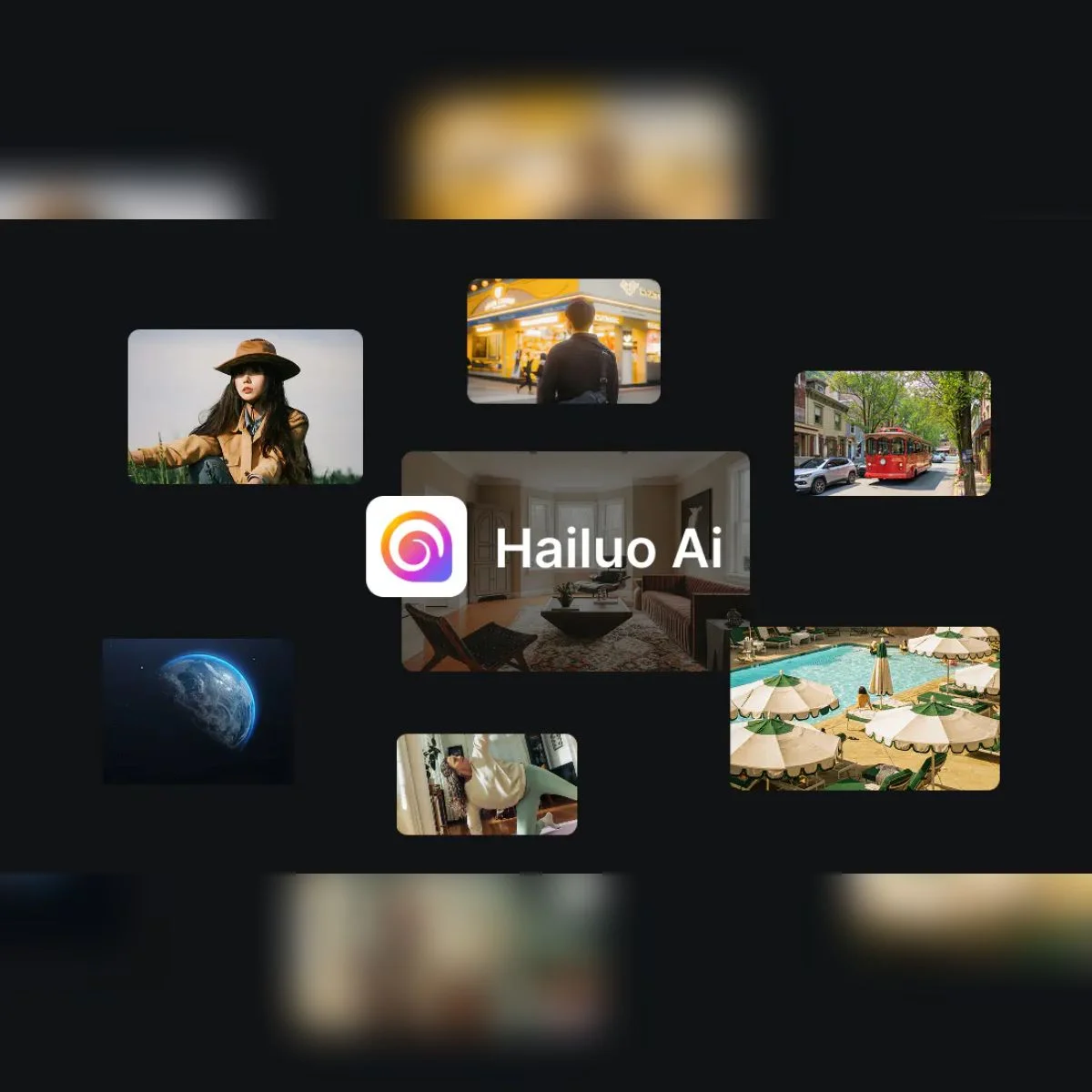
Chinese artificial intelligence company MiniMax has significantly amplified its commitment to AI-assisted filmmaking with the unveiling of MiniMax Hub, a unified creative platform powered by its advanced Hailuo AI models. This strategic introduction, timed with the 2026 Shanghai International Film Festival, consolidates AI-generated imagery, video, audio, and editing functionalities within a singular workspace. The platform’s core innovation lies in its ability to allow users to traverse a substantial portion of the production pipeline without the need to switch between disparate applications. Users can articulate project visions through natural language prompts or by supplying reference materials, with an integrated AI agent facilitating the orchestration of various production stages. This development arrives as MiniMax continues its aggressive promotion of Hailuo as a pivotal tool for filmmakers and creative professionals seeking to optimize content creation workflows. Concurrently, the company is embroiled in a high-profile copyright infringement lawsuit initiated by media giants Disney, Universal, and Warner Bros. Discovery, who allege unauthorized use of copyrighted works for AI training. MiniMax firmly disputes these claims, and the legal proceedings are ongoing.
The debut of MiniMax Hub underscores a pivotal moment in the integration of artificial intelligence within the creative industries, particularly in filmmaking. Historically, AI tools in this domain have often been specialized, focusing on single aspects of production such as image generation or script analysis. MiniMax Hub represents a more holistic approach, aiming to consolidate these capabilities into a cohesive ecosystem. This integration is designed to dramatically reduce friction in the production process, allowing creators to iterate more rapidly and explore creative possibilities with greater ease. The platform’s ability to interpret natural language and leverage reference materials suggests a paradigm shift towards more intuitive and accessible content creation, potentially democratizing aspects of filmmaking that were previously resource-intensive.
At the forefront of this technological advancement, MiniMax has been actively showcasing Hailuo and its new iteration, MiniMax Hub, at prominent film industry gatherings. The company positions the platform as an indispensable assistant to creators throughout the entire filmmaking lifecycle. The integration of multiple AI functionalities within a single environment is intended to empower users to generate visual assets, produce videos from text-based prompts or image references, create audio elements, and undertake comprehensive project editing, all without the need to rely on a patchwork of separate AI applications. This unified approach promises to streamline the creative process, making it more efficient and less fragmented.
The platform is meticulously engineered to generate a diverse array of creative content. This includes the production of cinematic video clips, intricate animated sequences, stylized visual aesthetics, and a broad spectrum of other multimedia assets crucial for both film and digital media production. MiniMax articulates its primary objective as simplifying production workflows by enabling an AI agent to autonomously coordinate multiple creative tasks within a singular, user-friendly interface. This intelligent coordination is envisioned to free up human creators to focus on higher-level conceptualization and artistic direction, rather than being bogged down by the technical minutiae of managing different software and AI tools.
The launch of MiniMax Hub coincides with a period of intensified global discussion surrounding generative artificial intelligence. Proponents of these integrated AI tools argue that they possess the potential to significantly curtail production timelines and lower the technical barriers to entry for a wider range of creators. This could foster a more inclusive and dynamic creative landscape. However, these advancements have also ignited critical concerns regarding copyright infringement, the definition and ownership of artistic creations, the propagation of misinformation, and the increasingly indistinguishable nature of AI-generated media from authentic content. These debates have been further amplified by ongoing legal challenges involving numerous AI companies, including MiniMax, which are grappling with the complexities of intellectual property and algorithmic training data.
The implications of generative AI extend beyond the creative industries and are prompting significant scientific inquiry into their psychological effects. As AI systems become increasingly adept at producing hyper-realistic images and videos, psychologists and digital media researchers are actively investigating the potential influence of synthetic content on mental well-being and the broader erosion of public trust. While the body of research in this nascent field is still developing, preliminary findings suggest that prolonged exposure to highly convincing AI-generated media could contribute to cognitive overload. This increased complexity in discerning reality from simulation may make it more challenging for individuals to accurately differentiate authentic material from synthetically produced content.
Emerging research indicates that this growing uncertainty regarding the authenticity of digital information could lead to increased cognitive load and a diminished sense of confidence in online content. This is particularly pertinent as AI-generated media becomes more prevalent across various digital platforms. It is crucial to note, however, that scientists have not yet definitively established a direct causal link between AI-generated media alone and these specific psychological outcomes. Researchers consistently emphasize the imperative for longitudinal studies to gain a more profound understanding of the long-term psychological effects of this rapidly evolving technology.
Mental health experts have also voiced significant concerns that highly convincing synthetic media, especially when weaponized for the dissemination of misinformation or the creation of deceptive content, could exacerbate anxiety, induce stress, or facilitate emotional manipulation in certain contexts. Current research suggests these are plausible concerns, yet the empirical evidence remains limited. Consequently, researchers are continuing their investigations into how AI-generated media might impact emotional well-being over extended periods. A consensus is forming among many experts regarding the necessity for greater transparency and the implementation of clear disclosure protocols when AI-generated content is presented to the public. This call for transparency is paramount in fostering informed consumption of digital media.
MiniMax Hub serves as a tangible manifestation of generative AI’s rapid evolution, transitioning from standalone tools for image and video generation to sophisticated, integrated creative platforms capable of supporting more extensive segments of the production process. For filmmakers, animators, graphic designers, and other creative professionals, these advanced tools offer novel avenues for accelerating production cycles and for experimenting with innovative approaches to visual storytelling. The ability to rapidly prototype concepts, generate diverse stylistic elements, and refine audiovisual components within a single environment promises to unlock new creative potentials and enhance artistic output.
Simultaneously, this technological leap has reignited crucial discussions surrounding copyright law, the nature of authenticity in digital creations, the importance of transparency in media production, and the imperative of maintaining public trust in an increasingly digital information ecosystem. As AI-generated content becomes progressively more difficult to distinguish from genuine footage or real-world events, ongoing scientific research, coupled with the development of robust ethical frameworks and thoughtful safeguards, will be indispensable. These efforts are essential for a comprehensive understanding of both the immense opportunities and the potential risks inherent in this transformative technology.
While many questions regarding the societal and ethical implications of generative AI remain unanswered, MiniMax’s latest announcement powerfully illustrates how advancements in this field are fundamentally reshaping the landscape of creative work. It simultaneously underscores the critical importance of sustained scientific research, responsible technological development, and informed public discourse as these powerful tools become more deeply embedded in our professional and personal lives. The ongoing dialogue and the commitment to ethical deployment will be key to navigating this new era of AI-augmented creativity.
