
"Long waits for ADHD and autism assessments are creating a tragic two-tier system where the most vulnerable, who stand to gain the most from a diagnosis, are increasingly left without vital support, risking their jobs, mental health, and overall well-being."
This stark warning from frontline medical professionals underscores a growing crisis within Scotland’s mental health system. An unprecedented surge in demand for neurodevelopmental assessments, particularly for Attention Deficit Hyperactivity Disorder (ADHD) and autism, has overwhelmed services, leading to a bottleneck that is now failing tens of thousands of adults. As the system struggles to cope, a chasm is widening between those who can afford private diagnoses and those reliant on a publicly funded service buckling under immense pressure, leaving the most disadvantaged to bear the brunt of prolonged uncertainty and lack of appropriate care.
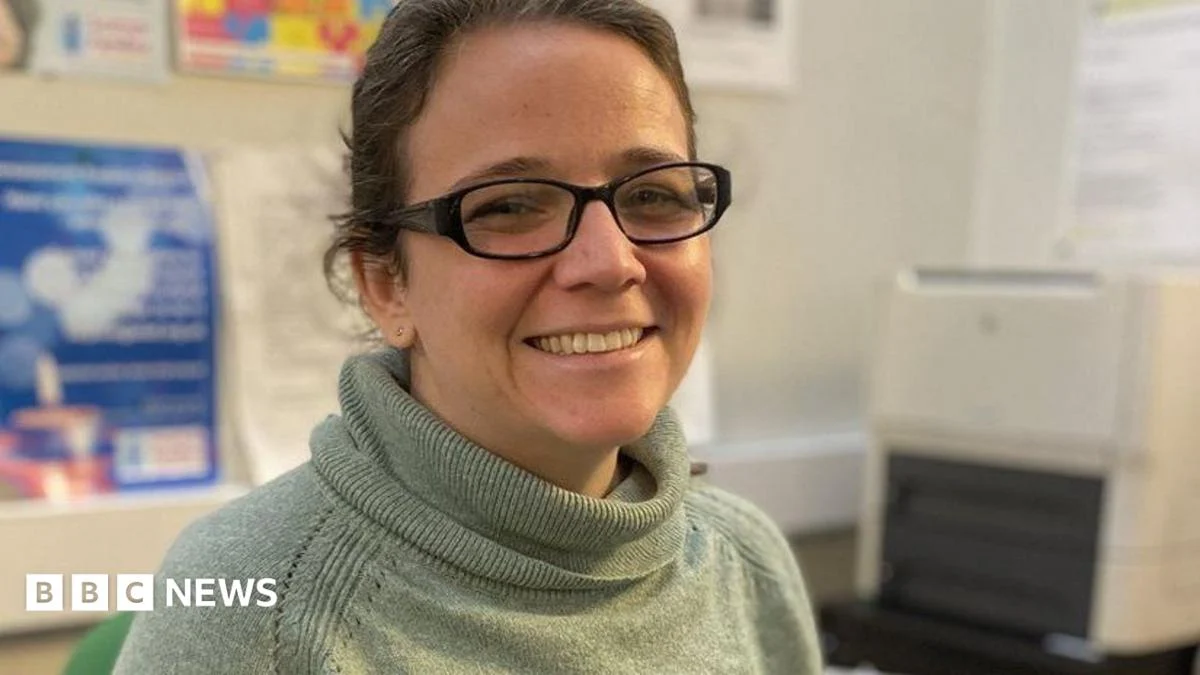
The scale of the challenge facing Scotland’s National Health Service (NHS) in addressing neurodevelopmental conditions has reached critical levels. General practitioners across the country are witnessing firsthand the devastating impact of these delays on their patients. Dr. Marianne McCallum, a GP representing the Deep End group – doctors working in Scotland’s most socio-economically deprived areas – has articulated the profound ethical dilemma. She describes the situation as a "tragedy," observing that individuals who desperately need a diagnosis to understand their struggles and access support are simply not being seen by specialists. These are often people at breaking point, whose lives could be fundamentally improved by timely intervention.
The demand for assessments has escalated so sharply in recent years that it now far outstrips the mental health system’s capacity. Data from BBC Scotland News reveals that over 38,000 adults are currently awaiting neurodevelopmental assessments, with a staggering 14,000 of these individuals having endured waits exceeding two years. This backlog is not merely an administrative issue; it represents thousands of lives put on hold, struggling in silence, and facing significant deterioration in their mental and physical health.
Dr. McCallum highlights a worrying trend: the emergence of a two-tier system. Those with the financial means can bypass the NHS queues by seeking private referrals, leaving individuals from less affluent backgrounds at an even greater disadvantage. "It’s just become a bit of a mess, because there’s a bottleneck and the secondary services are overwhelmed," she explains, emphasizing the immense strain placed on primary care, which attempts to manage complex needs without adequate additional resources. This creates an inequitable landscape where access to crucial diagnostic pathways is increasingly determined by economic status rather than clinical need, exacerbating existing health inequalities within Scotland’s most vulnerable communities.
Part of the increased demand, Dr. McCallum notes, is influenced by social media. While increased awareness of neurodiversity is generally positive, it has also led to a rise in self-identification, with some patients presenting with self-diagnosed conditions that, upon clinical assessment, may be attributed to other issues like dyslexia. This phenomenon, while understandable in a landscape of limited information and long waits, inadvertently diverts scarce resources, further impeding access for individuals with profoundly impactful, lifelong neurodevelopmental conditions who are struggling without formal recognition or support. The consequences for these individuals can be severe, including job loss due to an inability to cope with workplace demands, leading to a cascade of negative outcomes that further entrenches them in cycles of poverty and mental distress.
Autism, a lifelong developmental condition, affects how an individual communicates, interacts, and processes information. While there is no medical cure, a diagnosis can unlock crucial understanding, accommodations, and support strategies. Similarly, Attention Deficit Hyperactivity Disorder (ADHD) impacts various brain functions, including attention, emotion regulation, and executive function. For ADHD, specific medications can significantly alleviate symptoms, but access to these life-changing drugs within the NHS is contingent on an official NHS diagnosis or a "shared care" agreement. However, many GPs are understandably reluctant to enter into shared care agreements for private diagnoses due to concerns over clinical governance, differing diagnostic standards, and the lack of integrated follow-up care. This often leaves patients who have paid for private assessments in a precarious position, forced to continue funding their medication privately or face the difficult decision of discontinuing treatment.
Lynne Balmain, a 54-year-old from Glasgow, embodies this predicament. After paying £1,000 for a private ADHD diagnosis last year, she is now caught in the NHS waiting list limbo, with no indication of when she will receive an NHS assessment to validate her diagnosis and allow for NHS-funded medication. Her experience underscores the profound personal cost: "I wasn’t sleeping at night, I was aware of the speed that my brain was functioning at, it was constant. I was catastrophising over simple day-to-day things that everybody does." Now, she faces an impossible choice: "I can’t really afford to keep this going but from a mental health and well-being perspective, I can’t afford not to be medicated either so I’m being forced to choose." Her story is a stark illustration of how the current system places an unbearable financial and emotional burden on individuals already struggling with complex conditions.
The Royal College of Psychiatrists in Scotland (RCPsychiS) highlighted these systemic failings in a 2025 report, which concluded that there was no coherent national approach to address the escalating demand for neurodevelopmental support. The report unequivocally stated that the scale of need "far exceeded" what Scotland’s mental health system could realistically deliver. Crucially, the RCPsychiS report also warned that individuals with autism and ADHD face a significantly higher risk of developing co-occurring mental health conditions and, tragically, a greater risk of suicide. Timely diagnosis and appropriate care, the report emphasized, are vital in mitigating these severe risks. Furthermore, those with more severe mental illnesses often face even longer delays in accessing urgent care, a compounding problem within an already strained system.
The data collected by the tracking website ADHD.Scot paints a grim picture of the disparity between demand and provision. Despite requests to all 14 regional health boards in Scotland, only nine provided comprehensive figures, indicating a lack of consistent data collection across the country – a barrier to effective national planning. The available data suggests a shocking reality: a mere 1,575 assessments for neurodevelopmental conditions were carried out by the NHS in the last year for which data was available.
Regional figures reveal the extent of the crisis: NHS Lothian, for instance, has the highest number of people waiting, with 13,253 individuals on the list, yet only managed to see 537 patients for their first appointment last year. In Greater Glasgow and Clyde, over 9,000 adults are awaiting an ADHD assessment, with approximately 559 seen in the year leading up to March 2026. For autism assessments, the Highland region reports 372 adults on its waiting list, with 290 of those having waited over two years. The longest wait in Highland stretches to an astonishing seven years, while only eight people in the entire region received a first appointment with a specialist in the past year. These figures are not just statistics; they represent families and individuals whose lives are being profoundly impacted by a system unable to meet their fundamental healthcare needs.
The challenges in the system were recently brought into sharp focus by a legal case heard in the Court of Session. A man took NHS Tayside to court, arguing that it had become impossible for him to secure an ADHD assessment after being referred by his GP. He claimed the health board’s policy now excluded those who did not also present with other co-occurring mental health conditions. However, the judge sided with NHS Tayside, accepting their position that no policy change had occurred. Instead, the ruling underscored the overwhelming increase in demand for assessments as the primary reason why his case had not been prioritised on local waiting lists. This legal outcome, while clarifying the health board’s position, inadvertently highlights the dire consequences of under-resourced services when faced with an insatiable demand.
The Scottish government acknowledges the significant pressures. A spokesperson confirmed that "Demand for adult neurodevelopmental diagnosis and support has risen significantly in recent years, placing considerable pressure on services across Scotland." They expressed recognition that this period can be "frustrating and uncertain for people." While emphasizing that "support should be available based on people’s individual needs, rather than having to wait for a diagnosis for help," the practical implementation of this ideal remains elusive given the current systemic constraints. The Scottish government is expected to publish plans to improve neurodevelopmental support for adults in the coming weeks. For the thousands of individuals languishing on waiting lists, and for the healthcare professionals striving to provide care within an overstretched system, these plans cannot come soon enough. The current crisis is not just a healthcare challenge; it is a profound societal issue with far-reaching consequences for individual well-being, economic productivity, and social equity across Scotland.
