
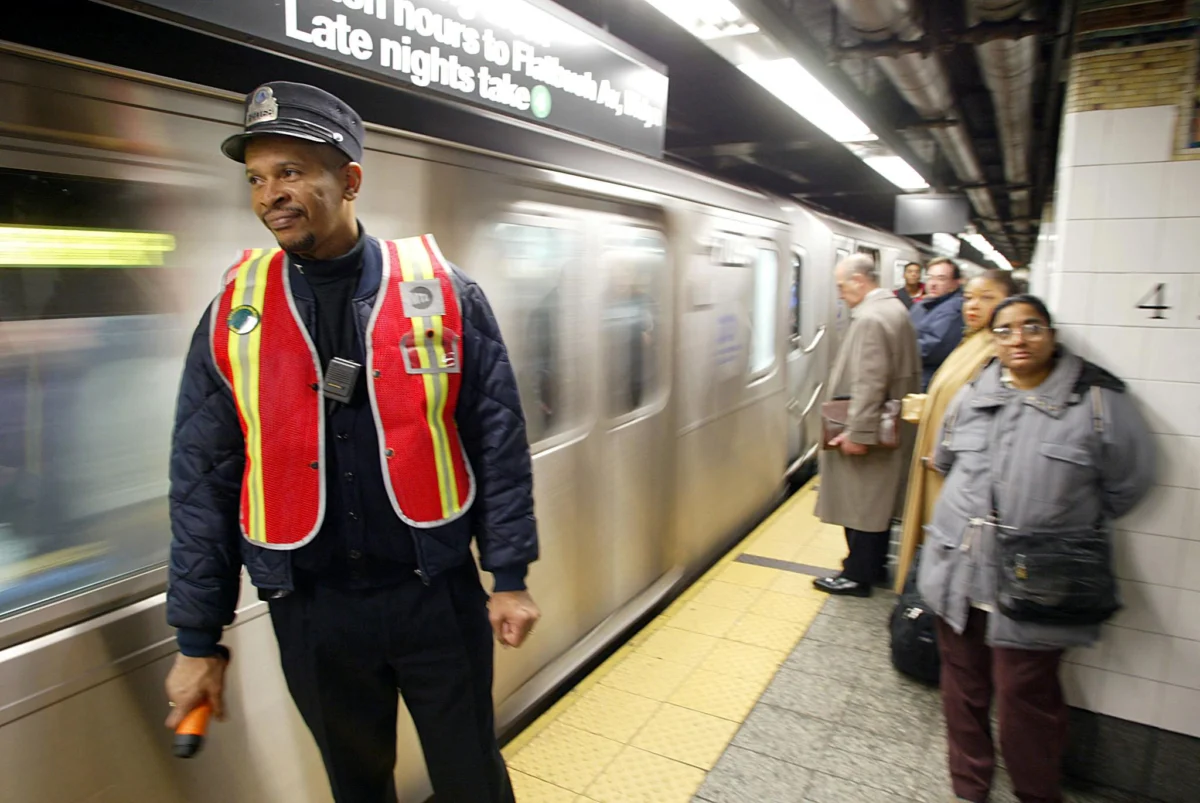
"New York City’s Metropolitan Transportation Authority is pushing its transit workers to shoulder a greater portion of their health insurance premiums, a move that could significantly impact household budgets and is met with strong opposition from the union representing these essential workers."
The Metropolitan Transportation Authority (MTA), responsible for the city’s vast public transportation network, is engaged in contentious contract negotiations with Transport Workers Union (TWU) Local 100, which represents approximately 40,000 New York City Transit workers. At the heart of the dispute is the MTA’s demand for employees to contribute a larger share of their health insurance costs. This proposal comes as the union’s contract expired in mid-May, leaving the terms of employment and benefits in flux. MTA Chair and CEO Janno Lieber has publicly stated the authority’s aim to secure increased health care contributions and implement changes to work rules, including those governing attendance and overtime eligibility. The union, however, asserts that robust health benefits were a key factor in attracting members to these demanding public service roles and argues the MTA should seek financial efficiencies elsewhere. The outcome of these negotiations is poised to have a lasting impact on the financial well-being of transit workers and their families, affecting paychecks and household budgets for years to come.
The MTA’s strategic rationale for seeking higher employee contributions to health insurance is rooted in a desire to rebalance costs and address a projected significant budget deficit. Janno Lieber, MTA Chair and CEO, articulated this position at a Citizens Budget Commission breakfast on September 22, framing the demand as a necessary trade-off for potential wage increases. He emphasized that contract bargaining offers a crucial opportunity to reform what he described as outdated and inefficient "kooky" work rules that have been established in past labor agreements. According to Bloomberg, the MTA, as the nation’s largest public transit system, is anticipating an estimated $900 million budget deficit by 2030 and is actively seeking to curb the growth of labor-related expenditures.
Lieber specifically highlighted attendance as an area needing reform, suggesting that current rules, particularly concerning unpaid sick days and overtime eligibility, contribute to workers not consistently reporting for scheduled shifts. When contract talks commenced in the spring, the union reported that the MTA’s initial proposal included a requirement for workers to complete four days of work, rather than the current three, before becoming eligible for overtime pay. This proposal, alongside increased health insurance contributions, signals the MTA’s comprehensive approach to cost containment and operational efficiency.
The union, represented by TWU Local 100 President John Chiarello, has expressed strong opposition to these proposals. In early July, amNewYork reported on the MTA’s offer, which included modest 2% raises alongside significant increases in health insurance costs for current members. The MTA’s proposal aimed to double the current employee contribution rate and increase the share paid by new hires to 10%. Furthermore, the MTA sought to raise co-payments for emergency room visits. At the time, an MTA spokesperson characterized the negotiations as routine and productive, a sentiment that appears to have shifted as discussions have progressed.
The union’s counter-argument centers on the intrinsic value of health benefits in attracting and retaining essential transit workers. Chiarello has pointed to new revenue streams, such as those generated from casino licenses and congestion pricing, as well as a restructuring of pension payments that has reduced the MTA’s financial obligations. He questioned the rationale behind seeking savings from transit workers, arguing that these employees accepted their positions, in part, due to the comprehensive health care and benefits packages offered. "Bargaining will continue at the table," Chiarello stated, underscoring the union’s commitment to defending its members’ existing benefits. This stance is consistent with earlier statements from Chiarello, who, at the opening of negotiations, described the MTA’s initial demands, including higher health insurance contributions and emergency room co-payments, as a "slap in the face."
The legal framework governing public sector labor relations in New York, specifically the Taylor Law, prohibits public transit workers from striking. Consequently, TWU Local 100 has not indicated any intention to threaten or initiate a strike. The history of transit strikes in New York City is notable; the last major walkout occurred in December 2005, lasting approximately 60 hours and resulting in substantial fines levied against the union. This legal prohibition shapes the negotiation dynamics, placing a greater emphasis on protracted discussions and potential mediation.
The implications of increased health insurance contributions for transit workers and their families are substantial. Essentially, a higher premium without a commensurate increase in wages translates to a reduction in take-home pay. Families with spouses and children enrolled in the health plan are likely to experience the most significant financial impact. Workers already managing costs associated with dental care, prescription medications, or ongoing medical treatments could see their total out-of-pocket healthcare expenses climb considerably.
The proposed increase in emergency room charges introduces another layer of concern. While cost-sharing mechanisms can sometimes deter individuals from seeking necessary medical attention, it is critical to emphasize that individuals experiencing severe symptoms such as chest pain, difficulty breathing, stroke indicators, or serious injuries should not hesitate to seek immediate emergency care. The potential for increased out-of-pocket costs should not compromise access to life-saving treatment.
As negotiations continue, transit workers can take proactive steps to prepare for potential changes. This includes thoroughly reviewing their current health plan documents to understand coverage details and limitations. Identifying in-network urgent care centers and telehealth services can provide more cost-effective alternatives for non-emergency situations. Moreover, diligently tracking household medical spending can help families gain a clearer picture of their overall healthcare expenditures and better assess the potential impact of any new contributions or charges. For specific questions and guidance, TWU Local 100 representatives are the primary resource for members.
The timeline for reaching a resolution remains uncertain. The contract negotiations have extended beyond the expiration date of the previous agreement, and the influence of a recent agreement reached between the MTA and five Long Island Rail Road unions—which followed a three-day work stoppage—on the Local 100 talks is yet to be determined. Any tentative agreement reached between the MTA and TWU Local 100 will require ratification by the union’s membership before it can be implemented. Until a new contract is finalized and approved, the terms of the expired contract, including the current health insurance contribution rates, will generally remain in effect. MedicalDaily will continue to monitor and report on proposed health contribution rates, emergency room charges, and the eventual terms of any finalized contract and its impact on workers’ coverage.
Key Questions Answered:
What is the MTA asking for? The MTA is seeking higher health care contributions from approximately 40,000 New York City Transit workers represented by TWU Local 100. Additionally, they are proposing changes to work rules related to attendance and overtime.
How much do workers currently pay? MTA Chair Janno Lieber stated that workers currently contribute about 5% of their health care costs, a significant decrease from the 11% they paid following the 2005 labor agreement, according to amNewYork.
How has the union responded? TWU Local 100 President John Chiarello contends that the MTA has access to new revenue streams from casino licenses and congestion pricing and should explore alternative avenues for cost savings rather than burdening transit workers.
Why is the MTA seeking these changes? The MTA asserts that the proposed changes are aimed at rebalancing costs and linking wage increases to improvements in work rules. Bloomberg reported that the authority is facing an estimated $900 million budget deficit by 2030 and is focused on limiting the growth of labor costs.
Could transit workers strike? Under New York’s Taylor Law, public transit workers are prohibited from striking. The union has not signaled any intent to strike.
When will a deal be reached? There is no announced timeline for reaching an agreement. The contract expired in May, and any tentative deal must be approved by union members.
