
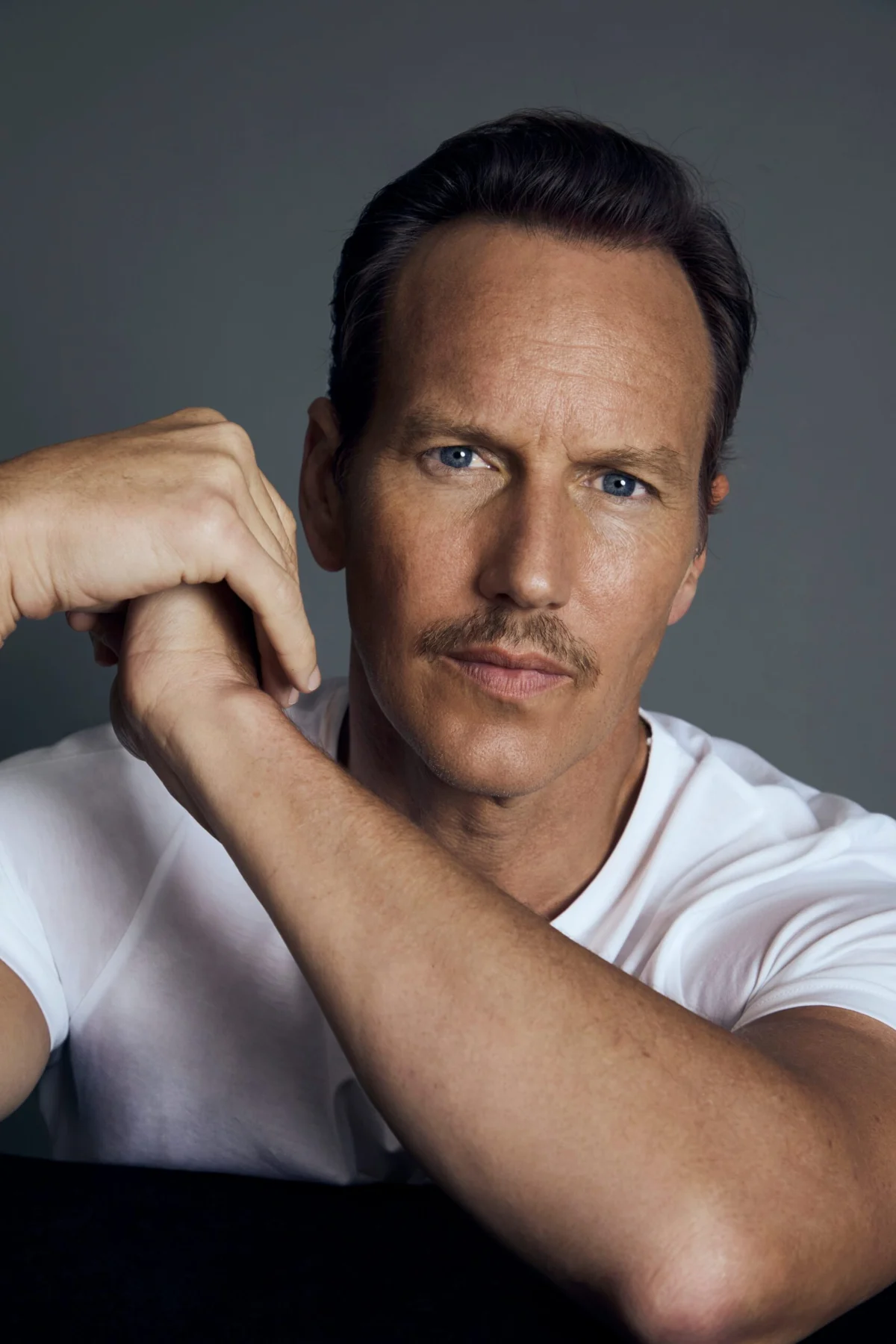
"Success in both fitness and film is defined by the refusal to remain complacent, using the mental fortitude of a marathoner to navigate the ‘ugly spots’ of a high-stakes career."
For Patrick Wilson, movement is not merely a hobby but a fundamental requirement for creative and psychological stability. At 53, the actor has built a reputation as one of Hollywood’s most versatile "journeymen," a term that belies the intensity and elite-level discipline he brings to every role. By bridging the gap between the physical demands of endurance sports—such as HYROX and marathons—and the emotional demands of prestige drama and horror, Wilson has developed a unique philosophy of "grinding." This approach is currently on full display in Apple TV+’s reimagining of Cape Fear, where his portrayal of a white-collar lawyer is infused with the grit of a former Marine and the explosive power of a CrossFit athlete.

The Evolution of a Journeyman
Patrick Wilson’s career trajectory is a study in range. He first garnered critical acclaim in the early 2000s with provocative roles in psychological thrillers like Hard Candy and domestic melodramas like Little Children. These performances established him as an actor capable of navigating the darker, more uncomfortable corners of the human experience. He soon transitioned into the world of big-budget spectacles, taking on the mantle of Nite Owl in Zack Snyder’s Watchmen and later appearing as the villainous Ocean Master in James Wan’s Aquaman franchise.
Despite his success in superhero tentpoles, Wilson has remained a fixture in prestige television. From his Tony-nominated work on Broadway in Oklahoma! and The Full Monty to his Emmy-nominated performance in HBO’s Angels in America, he has consistently sought out projects that challenge the audience’s expectations. Even his guest appearances have become cultural touchstones; a single "bottle episode" of Lena Dunham’s Girls sparked a decade of internet discourse, proving Wilson’s ability to capture the zeitgeist with minimal screen time.
However, it is perhaps the horror genre where Wilson has left his most indelible mark. As a mainstay of the Insidious and The Conjuring universes, he has helped define the modern era of the "theatrical" horror film. To Wilson, horror is not a lesser genre but a highly technical form of storytelling that relies on tension and release—much like a live stage performance. His creative partnership with director James Wan transformed him into a "Horror King," a title he embraces because of the genre’s unique ability to thrive at both the independent and blockbuster levels.

The Physicality of Tom Bowden in Cape Fear
In Apple TV+’s adaptation of Cape Fear, produced by cinematic legends Steven Spielberg and Martin Scorsese, Wilson takes on a role previously inhabited by Gregory Peck and Nick Nolte. Alongside Amy Adams, he plays one half of a legal power couple being stalked by the sadistic Max Cady, played by Javier Bardem. Wilson’s approach to the character of Tom Bowden was heavily influenced by his own life as a fitness enthusiast.
While the script originally called for Tom to jog to relieve stress, Wilson suggested a more intense physical outlet: power cleans. This choice was not merely for aesthetic purposes; it was a character-building exercise. Wilson wanted to convey that Tom, despite his polished exterior and conservative suits, possessed a hidden reservoir of Marine-bred toughness. By incorporating his own real-life racing medals into the set decoration—awards from the Empire State Building Run-Up and various HYROX competitions—Wilson grounded the character in a reality of physical discipline.
This physicality serves as a necessary counterweight to Javier Bardem’s Max Cady. In the 1991 version, Robert De Niro set a high bar for Cady’s menacing physique. Wilson felt it was crucial that his character not appear as a helpless victim. He viewed the dynamic between the two men as a "schoolyard" rivalry, where the audience needs to believe that the protagonist has a fighting chance in a physical confrontation. This lean, energetic strength contrasts with Bardem’s hulking presence, creating a visual tension that mirrors the show’s psychological stakes.

Fitness as Mental Fortitude
For Wilson, the gym is a laboratory for the mind. He credits his involvement in CrossFit and HYROX—a grueling fitness race combining running with functional workout stations—with giving him the mental endurance necessary for the film industry. He describes the "wall" that athletes hit during a workout as a metaphor for the challenges of a long career. Pushing through the "ugly spots" of a workout teaches a level of persistence that prevents complacency in his craft.
Maintaining this level of fitness while filming on location requires meticulous planning. While shooting Cape Fear in Atlanta, Wilson chose his residence based on its proximity to a specific HYROX-affiliated gym and a quality coffee shop. He acknowledges that the demanding hours of television production often force him to be flexible, sometimes moving a 9:00 a.m. session to 6:00 p.m. to accommodate a shoot. His philosophy is simple: "Anything is better than nothing." This "hustler" mindset ensures that even during a twenty-minute window, he can achieve a workout intense enough to sustain his momentum.
Analyzing the Cape Fear Finale (Spoilers)
The conclusion of the Cape Fear series marks a significant departure from the source material and previous films. In a climactic struggle, the Bowdens make the conscious decision to let Max Cady live, rather than killing him in self-defense or revenge. Wilson views this as a profound statement on the characters’ moral compass. Despite the trauma inflicted by Cady, the Bowdens are not killers; they represent a commitment to the justice system, however flawed it may be. Wilson suggests that had they murdered Cady, the act would have fundamentally broken them, leaving them with a burden of guilt they could not carry.

The series ends on an ambiguous note, with Amy Adams’ character looking over her shoulder, a classic trope suggesting that the threat may never truly be gone. While fans have speculated about a second season, Wilson remains skeptical about the narrative’s direction. To him, the escalation of Cady’s psychological warfare reached its natural limit. He believes that for the story to continue, the stakes would have to involve the unthinkable—the death of a child or a primary character—which might move the series away from its core exploration of a family’s resilience.
Looking Ahead: The Western and the Writer-Director Path
Despite his extensive resume, Wilson remains hungry for new challenges. He expresses a deep-seated desire to explore the Western genre, citing Clint Eastwood as a major influence. Whether a period piece or a contemporary "neo-Western," the genre appeals to Wilson’s interest in rugged, morally complex storytelling.
More importantly, Wilson is looking to transition into a more foundational creative role. While he made his directorial debut with Insidious: The Red Door in 2023, he is now focused on writing and directing an original project from the ground up. He admits to a sense of professional envy for writer-directors who can shepherd their own unique visions from a blank page to the screen. Wilson is currently crafting a personal story, one that he hopes to bring to fruition soon, with his own performance in the film being "icing on the cake."

Patrick Wilson’s journey is a testament to the power of diversification. By refusing to be pigeonholed into a single genre or a single way of being, he has maintained a career that is as enduring as his fitness regime. Whether he is singing on a Broadway stage, screaming in a haunted house, or lifting heavy steel on a film set, Wilson remains a "grinder" in the truest sense—always moving, always improving, and never sitting still.
