
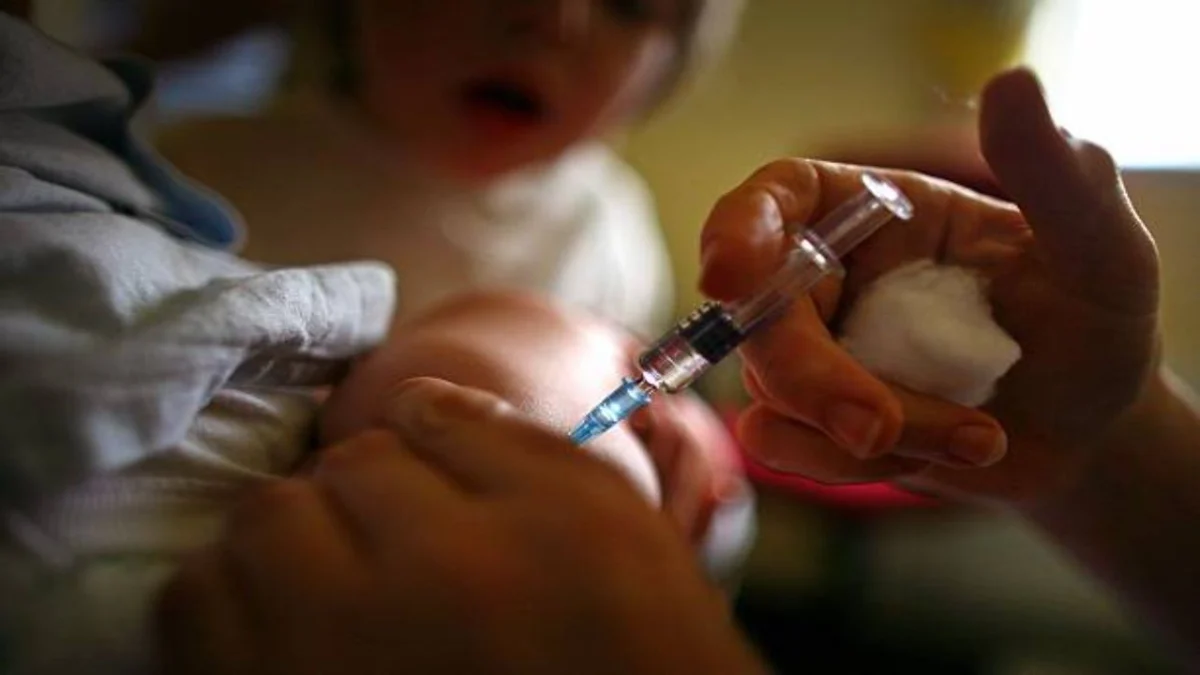
"Measles remains a serious illness even in places with modern hospitals nearby," a stark reminder as Pennsylvania confirms its fifth measles-associated death, underscoring the critical need for vaccination in the face of a persistent outbreak."
Pennsylvania has confirmed its fifth measles-associated death, a somber milestone in the ongoing outbreak that began in late April. The latest fatality was an unvaccinated resident of Lancaster County, a region that has become the epicenter of the state’s measles surge. This tragic event serves as a potent reminder that measles, a highly contagious viral illness, continues to pose a significant threat, even in areas with advanced healthcare infrastructure. The Pennsylvania Department of Health announced the death on September 30th, bringing the total confirmed cases in the state to 943 across 39 counties, with 176 individuals hospitalized. The vast majority of these cases, over 99%, have occurred in unvaccinated individuals, highlighting a clear correlation between vaccination status and vulnerability to the disease.
The new death follows a series of earlier fatalities, each underscoring the severity of measles and its potential to cause fatal complications. In August, two unvaccinated residents of Lancaster County, including an infant, succumbed to the illness. This was followed by the deaths of an unvaccinated 18-year-old from Mifflin County and an unvaccinated 40-year-old woman from Jefferson County, who had pre-existing chronic lung disease, announced on September 15th. The persistent rise in cases and deaths has prompted increased scrutiny of the federal tally, which has shown a lag in reporting compared to state-level data. As of September 24th, the Centers for Disease Control and Prevention (CDC) national count reported 3,659 confirmed U.S. cases and two deaths, with the locations of these fatalities not yet specified. It remains to be seen when the CDC will incorporate Pennsylvania’s most recent death into its national statistics.
Lancaster County continues to bear the brunt of this outbreak, despite boasting an 85% vaccination rate. The county has reported a staggering 381 cases, a testament to the virus’s ability to spread even in communities with high vaccination coverage, especially when pockets of unvaccinated individuals exist. In stark contrast, Philadelphia, with a higher kindergarten MMR vaccination rate of 94.5%, has reported no cases, further emphasizing the protective power of widespread vaccination.
The severity of measles cannot be overstated. While often characterized by a rash and fever, the virus possesses the capacity to profoundly weaken the immune system, leading to severe complications affecting the lungs and brain. According to the CDC, approximately 1 in 5 unvaccinated individuals in the U.S. who contract measles require hospitalization. The risk of serious complications escalates significantly in children. As many as 1 in 20 children infected with measles develop pneumonia, the leading cause of measles-related death in young children. Furthermore, about 1 in 1,000 children can develop encephalitis, a dangerous inflammation of the brain that can result in permanent neurological damage. The CDC grimly states that "Nearly 1 to 3 of every 1,000 children who become infected with measles will die from respiratory and neurologic complications."
Modern medical facilities can provide crucial supportive care, managing breathing difficulties and treating complications. However, it is vital to understand that there is no specific antiviral medication to cure measles. Medical professionals can only alleviate symptoms and support the body’s fight against the infection. This reality underscores the paramount importance of prevention through vaccination.
Certain populations are at a heightened risk of experiencing severe illness from measles. These include children under five years of age, adults over 20, pregnant women, and individuals with compromised immune systems. Pennsylvania’s data reflects this, with nearly 20% of identified cases requiring hospitalization. Infants are particularly vulnerable as they are too young to receive the routine MMR (measles, mumps, and rubella) vaccine until they are 12 months old. Their protection relies heavily on the immunity of those around them, making the vaccination status of parents, older siblings, grandparents, and caregivers a critical shield for the youngest members of society.
The highly contagious nature of measles means that in a susceptible population, exposure can lead to widespread transmission. Dr. Lawrence Livornese, an infectious disease specialist at Main Line Health, explained to CBS Philadelphia, "In a population where people are susceptible, about 9 in every 10 people who are susceptible and are exposed to someone with measles will develop measles." This exponential spread highlights how a few unvaccinated individuals can spark significant outbreaks.
In response to the escalating outbreak, demand for the MMR vaccine has surged dramatically. The Pennsylvania Department of Health reported administering over 53,000 MMR doses statewide in September, a significant increase from the approximately 25,000 doses typically administered in a normal month. State health centers have been proactive, providing more than 5,500 MMR doses at 180 pop-up clinics since the outbreak commenced.
The MMR vaccine is a highly effective preventive measure. Two doses of the MMR vaccine are proven to provide 97% lifetime protection against measles. The standard vaccination schedule involves the first dose administered between 12 and 15 months of age, and the second dose between 4 and 6 years of age. However, in outbreak situations, healthcare providers may recommend an earlier dose for infants. For adults who are uncertain about their vaccination history, consulting a clinician for records or undergoing a blood test to determine immunity is advisable. Alternatively, they can opt for vaccination without further testing.
Recognizing the early signs of measles is crucial for prompt identification and containment. Initial symptoms typically include a high fever, cough, runny nose, and red, watery eyes. These prodromal symptoms are usually followed by a characteristic rash that begins on the face and spreads downwards. Anyone experiencing these symptoms after a potential exposure to measles should contact their doctor’s office or emergency room before arriving. This pre-arrival notification allows healthcare facilities to implement appropriate isolation measures, preventing the virus from spreading within waiting rooms and to other patients. Severe symptoms requiring immediate emergency care include difficulty breathing, confusion, seizures, or extreme drowsiness.
For residents of Pennsylvania seeking more information or concerned about potential exposure, the state’s health hotline can be reached at 877-PA-HEALTH. MedicalDaily will continue to monitor and update this developing story as new data becomes available from state and federal health agencies. The ongoing outbreak serves as a stark reminder of the enduring power of vaccine-preventable diseases and the critical role of public health initiatives in protecting communities.
