
"The difference between a podium finish and a mid-pack result often comes down to the nine minutes before the lights go out—a window where discipline must override both nerves and the distractions of a digital age."
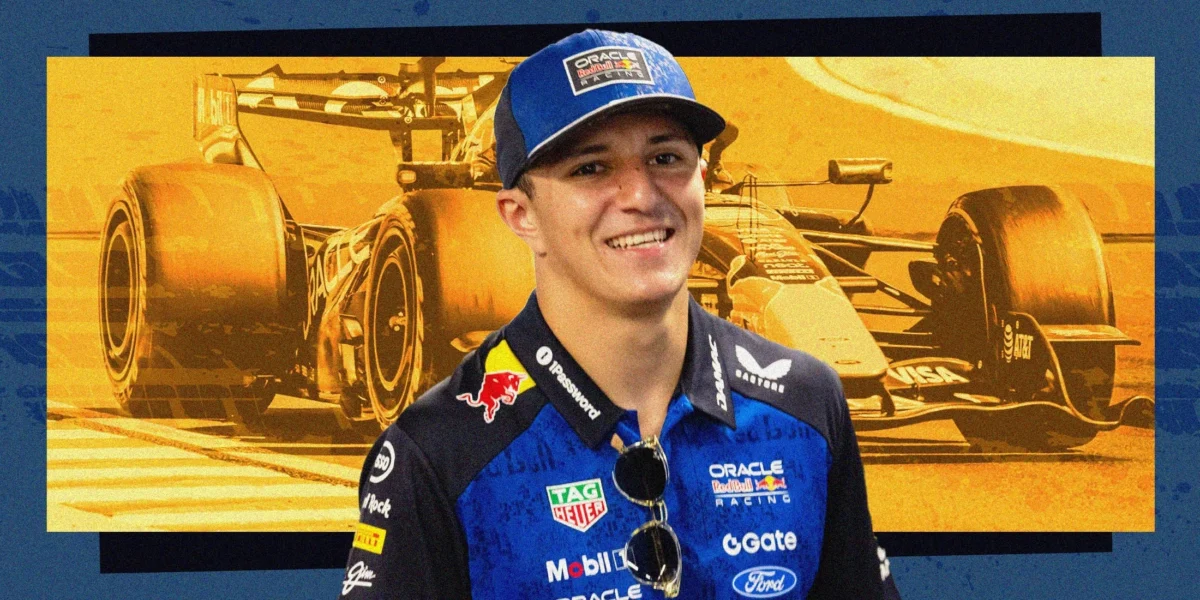
In the high-stakes environment of the Las Vegas Grand Prix, where the neon lights of the Strip meet the mechanical precision of Formula racing, Isack Hadjar represents the new vanguard of elite athletes. A 22-year-old standout in the Red Bull development program, Hadjar navigates a dual existence: one defined by the punishing physical and cognitive demands of world-class motorsport, and another by the universal interests of his generation. As the racing world converges on Nevada’s desert circuit, the intersection of peak human performance and the immersive allure of modern entertainment provides a unique window into the psyche of a driver who must balance the extreme focus of the cockpit with the necessary escapism of life outside the paddock.
The life of a Red Bull junior driver is one of constant evaluation and immense pressure. Within the hierarchy of global motorsport, the Red Bull program is notoriously rigorous, designed to filter out all but the most resilient and talented prospects. For Hadjar, this means every decision—from his sleep hygiene to his pre-race playlist—is scrutinized for its impact on his performance. Yet, even the most dedicated professionals are not immune to the cultural zeitgeist. The recent release of Grand Theft Auto VI has presented a relatable challenge for the young driver. In an era where digital immersion can easily lead to sleep deprivation and diminished focus, Hadjar’s approach to the game is a testament to the self-regulation required at the highest levels of sport.
Hadjar’s admission that the game could "ruin his life" is delivered with the smirk of a young man who knows exactly where his boundaries lie. Despite the massive anticipation surrounding the title, he managed only 25 minutes of gameplay during the high-pressure buildup to the Las Vegas race. This level of restraint is not merely a personality trait; it is a professional requirement. In a sport where reaction times are measured in milliseconds and G-forces can exceed 5G during cornering and braking, the cognitive fatigue associated with late-night gaming is a risk no serious contender can afford. Hadjar’s "bedtime discipline" is his first line of defense against the erosion of his competitive edge.

To understand why Hadjar is so protective of his routine, one must look at the specific physiological and psychological demands of the sport. Formula racing is often misunderstood by the casual observer as a test of machinery alone. In reality, it is an endurance event that requires a unique blend of cardiovascular fitness, core stability, and neuro-cognitive agility. The pre-race ritual Hadjar has developed is designed to "prime" these systems in a specific sequence. Working with his trainer, he engages in a series of stretches and dynamic warm-ups, but the centerpiece of his preparation is more mental than physical.
Juggling and reaction-time tests are staples of the modern driver’s toolkit. These exercises are not just about hand-eye coordination; they are about "waking up" the nervous system. By forcing the brain to track multiple moving objects and respond to unpredictable stimuli, Hadjar ensures that his neural pathways are firing at peak frequency before he ever touches the steering wheel. This is paired with an auditory strategy. Music serves as an arousal regulator for athletes; for Hadjar, the rhythmic intensity of French, American, and British rap provides the necessary "hype" to transition from the quiet focus of the motorhome to the chaotic energy of the grid.
Perhaps the most revealing aspect of Hadjar’s discipline is his "nine-minute rule." Exactly nine minutes before a race begins, he inserts his earpieces. This is not a product of superstition, which is common in a sport as dangerous as racing, but a product of efficiency. For Hadjar, the cockpit of a racing car is a place of action, not reflection. The psychological strain of sitting idle in a cramped, hot environment can lead to overthinking and unnecessary anxiety. By timing his entry into the car to the minute, he ensures that his mental state remains "on the boil" without boiling over. It is a masterclass in temporal management, ensuring that his peak focus coincides exactly with the start signal.
However, the path to the podium is not paved solely with high-intensity rituals; it also requires the "boring" work that many athletes dread. For Hadjar, this is Zone 2 cardio. Defined as exercise performed at 60% to 70% of one’s maximum heart rate, Zone 2 training is the foundation of aerobic endurance. It is the steady-state running or cycling that allows a driver’s heart to remain relatively calm even when the body is under extreme heat and physical stress. While Hadjar acknowledges its importance, he is candid about the monotony of the process. This is where his digital interests serve a functional purpose. By using movies, TV shows, or music to mask the boredom of the treadmill, he converts a "waste of time" into a productive training block. This pragmatic approach to discomfort is a hallmark of the professional mindset: recognizing the necessity of the mundane to achieve the extraordinary.
The recovery phase of Hadjar’s routine is equally calculated, though it appears more relaxed on the surface. After the adrenaline of a race weekend subsides, the "switching off" process is vital for long-term sustainability. Nutrition plays a key role here, but it is as much about psychological comfort as it is about macronutrients. His post-race meal of choice—a burger with caramelized onions, cheddar, and fresh greens—serves as a reward and a signal to his body that the period of high stress has concluded. This is followed by a deliberate retreat into personal interests that have nothing to do with the paddock.

Anime and FaceTiming his parents are Hadjar’s primary tools for grounding himself. In the globalized, often lonely world of international racing, maintaining a connection to home and to familiar narratives provides a necessary emotional anchor. These activities allow the "driver" persona to recede, giving the "individual" space to breathe. It is this balance that prevents burnout in a sport that demands total devotion for ten months of the year.
The Las Vegas Grand Prix presents a unique set of challenges that test this balance to its limit. Unlike traditional circuits, the street track in Vegas is characterized by long straights and heavy braking zones, all performed in fluctuating desert temperatures. The mental load of navigating a high-speed street circuit at night, with the glare of the city’s lights reflecting off the asphalt, requires a level of focus that can only be sustained by someone who has mastered their internal environment.
As Hadjar prepares to take his seat this weekend, the shadow of Grand Theft Auto VI remains in the background—a digital world waiting to be explored. But for now, the virtual streets of Vice City must wait for the real-world corners of the Las Vegas Strip. Hadjar’s ability to compartmentalize these two worlds is what defines him as a professional. He understands that while the game is "amazing," the reality of a Red Bull cockpit is a privilege that only a handful of people on earth will ever experience.
For the fans watching the broadcast on Apple TV, the sight of Hadjar in his racing suit, earpieces going in exactly nine minutes before the start, will be a display of a finely tuned athlete at work. Behind that image is a complex architecture of discipline, a young man who has learned to harness his generation’s distractions and turn them into tools for recovery, all while maintaining the singular focus required to survive and thrive in the fastest sport in the world. Whether he is juggling in the paddock or navigating the complexities of Zone 2 cardio, Isack Hadjar is proving that the modern driver is a hybrid of traditional grit and contemporary self-awareness.
