
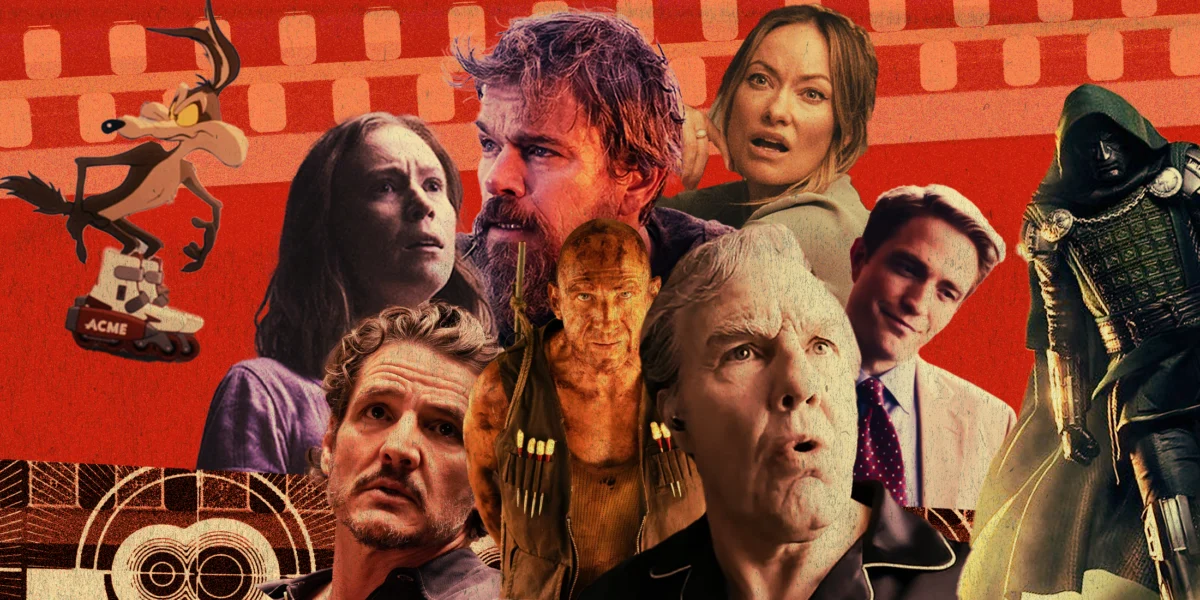
"The 2026 film slate marks a pivotal shift toward auteur-driven genre pieces and high-stakes original narratives, signaling a definitive move away from franchise fatigue toward a more visceral and creative era of global cinema."

This year’s cinematic offerings represent a bold fusion of massive star power and experimental directing, spanning from Sam Raimi’s long-awaited return to original horror to Gore Verbinski’s first science-fiction venture in a decade. As streaming giants like Netflix and Amazon-MGM continue to refine their production models, the industry is witnessing a renaissance of the "elevated mid-budget" film—movies that prioritize distinct tonal identities, such as black comedy neo-noirs and anachronistic period romances, over standardized blockbuster formulas.

The film industry in 2026 is defined by a unique intersection of nostalgia and subversion. While sequels and adaptations remain present, they are increasingly helmed by directors who prioritize stylistic departures from their predecessors. This is perhaps most evident in the horror and thriller sectors, where established tropes are being dismantled in favor of "soundscape" horror and meta-parody. From the arrival of high-concept sci-fi epics to the gritty resurgence of the buddy-action comedy, the following titles represent the vanguard of this year’s cultural conversation.

The Return of the Auteur: Raimi, Verbinski, and DaCosta
One of the most significant narratives of the year is the return of legendary directors to the genres they helped define. Sam Raimi, a foundational figure in modern horror, has released Send Help, his first original horror story since 2009’s Drag Me to Hell. Starring Rachel McAdams and Dylan O’Brien, the film is described as a psychological survivalist nightmare—a "Cast Away meets Misery" hybrid. Raimi’s signature frenetic camera work and penchant for "gross-out" practical effects are on full display, reminding audiences of his unique ability to balance terror with a dark, comic energy.

Simultaneously, Gore Verbinski—the visionary behind the original Pirates of the Caribbean trilogy and The Ring—ends a ten-year hiatus with Good Luck, Have Fun, Don’t Die. Featuring Sam Rockwell as a man claiming to be a time-traveler fighting a rogue artificial intelligence, the film marks a return to the large-scale, practical-effect-heavy filmmaking Verbinski is known for. While the film ventures into heavy-handed social satire regarding the digital age, Rockwell’s performance anchors the narrative, making it a standout in the year’s science-fiction lineup.

In the realm of established franchises, Nia DaCosta takes the reins for 28 Years Later: The Bone Temple. As a direct sequel to the previous year’s revival of the Danny Boyle-Alex Garland "infected" universe, DaCosta brings a fresh visual language to the post-apocalyptic landscape. Screenwriter Alex Garland remains the architect of the story, but the film’s success is largely attributed to its magnetic leads, Ralph Fiennes and Jack O’Connell, who provide a gravitas that elevates the film beyond standard zombie-genre expectations.

The New Era of the Star-Driven Thriller
The 2026 slate also reinforces the enduring power of the "movie star" when paired with sophisticated crime narratives. The Rip sees the reunion of Matt Damon and Ben Affleck in a gritty police thriller. Directed with a focus on moral ambiguity, the story involves a corrupt police unit and a massive cash heist (the "rip"). The film is bolstered by an exceptionally deep supporting cast, including Steven Yeun, Kyle Chandler, and Academy Award nominee Teyana Taylor.

Similarly, Crime 101 has emerged as a major contender in the action-thriller category. Based on a story by celebrated novelist Don Winslow, the film has drawn frequent comparisons to Michael Mann’s 1995 masterpiece, Heat. Directed by Bart Layton, the film features a powerhouse ensemble: Chris Hemsworth, Mark Ruffalo, Halle Berry, and Barry Keoghan. The film’s focus on professional heists and the cat-and-mouse game between law enforcement and criminals serves as a testament to the audience’s renewed hunger for procedural dramas with high production values.

In the "neo-noir" space, Glen Powell continues his ascent as a leading man in A24’s How to Make a Killing. Directed by John Patton Ford, the film is a black comedy that follows a man attempting to eliminate his relatives to secure an inheritance. Powell’s charm is used to subversive effect here, supported by Margaret Qualley and veteran actor Ed Harris.

Horror as Social Commentary and Sensory Experience
Horror in 2026 has moved toward more experimental territory. A24’s Undertone has been hailed by critics as the most terrifying sensory experience of the decade. The film centers on a supernatural podcaster who discovers a series of disturbing recordings. Its reliance on a complex soundscape rather than traditional jump scares has set a new bar for psychological horror.

On the more visceral side, They Will Kill You features Zazie Beetz in a role that blends John Wick-style choreography with a Kill Bill revenge plot. Beetz plays a housekeeper in a luxury apartment building who discovers her employers belong to a murderous cult. With Patricia Arquette and Heather Graham in supporting roles, the film is a high-octane entry in the "social thriller" subgenre.

For fans of the "game-based" horror that became popular in the late 2010s, Ready or Not 2: Here I Come brings Samara Weaving back to the screen. The sequel maintains the dark humor and blood-soaked stakes of the original while expanding the lore of the twisted Le Domas family games. The addition of Elijah Wood and legendary director David Cronenberg in an acting role adds a layer of "prestige horror" to the production.

High-Concept Science Fiction and Animation
The most anticipated adaptation of the year is undoubtedly Project Hail Mary, based on the novel by Andy Weir. Directed by the duo Phil Lord and Chris Miller, the film stars Ryan Gosling as an astronaut who wakes up on a spaceship with no memory of how he got there. Given the success of Weir’s previous adaptation, The Martian, expectations were high; however, the chemistry between Gosling and his CGI companion, an alien named Rocky, has exceeded them. The film’s visual effects and Sandra Hüller’s supporting performance make it a frontrunner for technical accolades.

In animation, Pixar has returned to original storytelling with Hoppers. The film utilizes an Avatar-like premise where a human transfers her consciousness into a robotic beaver to communicate with animals. With a voice cast featuring Jon Hamm and Meryl Streep, the film manages to pivot from a family-friendly comedy into a compelling conspiracy mystery, signaling a return to the creative ambition that defined Pixar’s golden age.

Musical Influence and Subversive Comedy
The influence of pop culture icon Charli XCX is felt across two major releases this year. The Moment, an A24 production, is a mockumentary in the vein of This Is Spinal Tap, exploring the absurdities of stardom in 2026 through Charli’s persona. Furthermore, she provided the original soundtrack for Emerald Fennell’s adaptation of Wuthering Heights. Fennell’s take on the Brontë classic stars Margot Robbie and Jacob Elordi. While the film has polarized purists for its anachronistic tone and "epic romance" stylings, its visual grandeur and the "charged energy" of its leads have made it a box-office powerhouse.

The year also sees the release of several "meta-comedies." The Napa Boys parodies the direct-to-video raunchy comedies of the early 2000s, crossing the "wine-bro" culture of Sideways with the crude humor of the American Pie era. Meanwhile, Matt Johnson’s Nirvanna the Band the Show the Movie brings his long-running cult series to the big screen. Following his success with BlackBerry, Johnson uses his signature "guerrilla-style" filmmaking to tell a story of two inept musicians trying to book a show, incorporating time-travel and absurdist set pieces.

Conclusion: The 2026 Legacy
Whether it is through the "badass buddy comedy" of Jason Momoa and Dave Bautista in The Wrecking Crew, or the intimate, BDSM-themed drama of Pillion starring Harry Melling and Alexander Skarsgård, the films of 2026 are united by a willingness to take risks. Even the year’s "B-movie" entries, such as the chimpanzee slasher Primate and the Alan Ritchson-led War Machine, show a commitment to delivering polished, genre-specific entertainment. As the year draws to a close, it is clear that 2026 will be remembered as the year when the "original story" regained its footing in an industry often accused of looking backward.
