
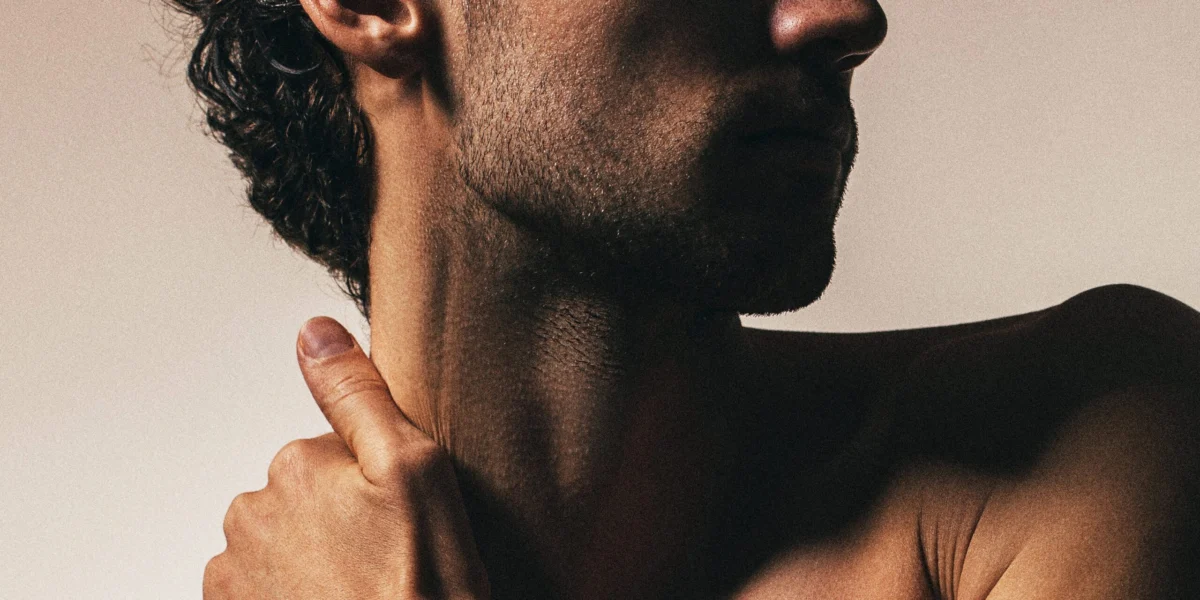
"The modern man’s relationship with his reflection is transitioning from a pursuit of rigid perfection toward a nuanced dialogue between physical identity, vulnerability, and self-acceptance."
As societal expectations of masculinity undergo a seismic shift, Men’s Health has launched a landmark project aimed at documenting the complex, often unspoken ways men perceive their own bodies. This initiative seeks to move beyond traditional fitness metrics to explore the psychological landscape of male self-image, ranging from the desire for aesthetic enhancement to the quiet acceptance of perceived "imperfections" like scars, hair loss, and aging.
For decades, the cultural conversation surrounding body image was largely centered on women, while men were expected to maintain a stoic, functional relationship with their physical forms. However, the rise of digital media, the democratization of cosmetic procedures, and a burgeoning "wellness" culture have fundamentally altered this dynamic. Today, men are increasingly vocal about the pressures they face, the insecurities they harbor, and the pride they take in their physical evolution. The Men’s Health project is designed to capture this zeitgeist, inviting men from all walks of life to contribute their personal narratives to a broader study of the contemporary male physique.
The Shift from Utility to Aesthetic
Historically, the male body was viewed primarily through the lens of utility—what it could do rather than how it looked. Strength, endurance, and resilience were the primary markers of a "good" body. However, the late 20th and early 21st centuries saw the emergence of the "Adonis Complex," a term coined by researchers to describe the growing obsession with muscularity and physical perfection among men. This shift was fueled by Hollywood action stars, professional athletes, and, more recently, the "fitness influencer" culture of social media.
The current project acknowledges this evolution by inviting men to discuss their desires for specific traits, such as a squarer jawline or more prominent pectoral muscles. These desires are often tied to a phenomenon known as "looksmaxxing"—a subculture dedicated to maximizing one’s physical attractiveness through grooming, fitness, and sometimes surgical intervention. By asking men to share these aspirations, the study aims to understand the root of these pressures and how they intersect with a man’s sense of self-worth and social standing.
The Psychology of Vulnerability: Scars, Skin, and Hair
While the pursuit of the "ideal" body remains a dominant narrative, there is a parallel movement toward radical authenticity. The Men’s Health initiative places significant emphasis on traits that fall outside the traditional "fitness" or "grooming" categories. Scars, stretch marks, and loose skin are often the physical manifestations of a life lived—markers of survival, significant weight loss, or the natural progression of time.
For many men, these traits carry deep personal significance. A scar might represent a traumatic injury overcome, while loose skin may be the "battle scar" of a hard-won journey toward health. By highlighting these features, the project seeks to destigmatize the "imperfect" body. It challenges the notion that a man’s value is tied to a photoshopped ideal, instead suggesting that there is beauty and strength in the reality of the human form.
Hair loss, or androgenetic alopecia, remains one of the most significant psychological hurdles for men. For generations, balding was a source of shame, leading to a multi-billion dollar industry of concealers and transplants. However, the project notes a growing trend of men "embracing the bald," choosing to shave their heads as a gesture of confidence rather than a submission to genetics. This shift represents a broader movement toward taking agency over one’s appearance, regardless of whether that means fighting the aging process or leaning into it.
The Digital Echo Chamber and "Bigorexia"
The context of this study cannot be separated from the impact of social media. Platforms like Instagram and TikTok have created an environment where men are constantly bombarded with images of "hyper-masculinity." This has led to an increase in Muscle Dysmorphia, colloquially known as "Bigorexia," where individuals perceive themselves as small or frail despite being significantly muscular.
The Men’s Health project serves as a necessary counter-narrative to this digital echo chamber. By soliciting honest, unfiltered stories from real men, the initiative provides a platform for a more grounded and diverse representation of masculinity. It moves the conversation away from the "filtered" self and toward a more holistic understanding of what it means to live in a male body today.
Inherited Traits and Cultural Identity
The project also touches upon inherited traits—features that connect a man to his lineage and cultural heritage. In an era of increasing globalization and standardized beauty norms, many men are finding a renewed sense of pride in the unique physical characteristics they inherited from their ancestors. Whether it is a specific nose shape, height, or skin tone, these traits are being reclaimed as vital components of a man’s identity rather than something to be "corrected."
This aspect of the study highlights the intersectionality of body image. A man’s relationship with his body is not just shaped by fitness magazines; it is influenced by his race, his upbringing, and the cultural expectations of his community. By gathering data on these inherited traits, Men’s Health aims to build a more inclusive map of male self-perception.
The Role of Anonymity and Honest Dialogue
Recognizing the sensitive nature of these topics, the project offers participants the option of anonymity. This is a crucial element of the study, as men are often conditioned to avoid discussing insecurities for fear of appearing "weak" or "unmasculine." By providing a safe, confidential space for disclosure, the initiative encourages a level of honesty that is rarely seen in public discourse.
The data collected will be used to shape future content, ensuring that the advice and stories shared by Men’s Health are reflective of the actual experiences of its readership. This participatory approach marks a shift in health journalism—from a "top-down" model of expert advice to a "bottom-up" model of community-driven insight.
Conclusion: A New Era of Masculinity
The Men’s Health project on evolving body image is more than just a survey; it is a cultural diagnostic tool. It seeks to answer fundamental questions about how men see themselves in an age of unprecedented physical scrutiny and rapid social change. Are we moving toward a future where men feel more empowered to be themselves, or are the pressures of the digital age creating new forms of anxiety?
By examining everything from the desire for a "squarer jaw" to the acceptance of "loose skin," this initiative acknowledges that the male experience is not a monolith. It is a complex tapestry of ambition, insecurity, pride, and resilience. As the results of this project are published, they will likely provide a roadmap for a healthier, more honest conversation about masculinity—one that values the person as much as the physique.
Through this work, Men’s Health continues its mission as a conduit to the world’s top experts, while simultaneously recognizing that the ultimate experts on the male body are the men who inhabit them every day. The stories gathered here will serve as a testament to the evolving way guys feel about the way they look, paving the way for a more compassionate and realistic understanding of male health and identity in the 21st century.
