

"Predicting suicide is akin to predicting the unpredictable. The most effective prevention strategies may lie not in identifying who will die, but in making lethal means less accessible, mirroring successful public health approaches like road safety."
While traditional suicide prevention efforts have focused on identifying individuals at risk and providing them with therapeutic interventions, a growing body of research suggests a paradigm shift is necessary. Experts are increasingly advocating for strategies that focus on reducing access to lethal means, arguing that this approach, much like public health initiatives that have drastically reduced traffic fatalities, can have a broader and more profound impact on saving lives. This recalibration acknowledges the inherent difficulty in predicting suicidal behavior and pivots towards creating environmental safeguards that can interrupt impulsive acts and provide critical moments for intervention or reconsideration.
Paul Nestadt, a psychiatrist and leading researcher in suicide prevention, candidly admits the limitations of current predictive models. "I can’t tell you which of my patients is likely to die by suicide in the next six months," he states, a sentiment echoed by many in his field. Decades of research have shown that predictions of suicidal intent are only marginally better than chance and have seen little improvement over half a century. This realization, rather than fostering despair, propels Nestadt and others toward exploring interventions that do not rely on the elusive ability to pinpoint individuals on the brink.
The cornerstone of this alternative approach is making it more difficult for individuals to carry out suicide. "Instead of asking every doctor to figure out which patient will die by suicide and locking that patient up, it might be that we need to make sure there aren’t loaded guns available," Nestadt suggests, highlighting the shift from individual-focused risk assessment to environmental risk reduction. This perspective is central to an ongoing examination of suicide prevention strategies that extend beyond the provision of medication and therapy, acknowledging that while these are crucial, they are not exhaustive solutions.
Research consistently points to limiting access to lethal means as one of the most effective strategies for saving lives. This can encompass a range of measures, from erecting physical barriers on bridges and buildings to prevent falls, to regulating the quantity of medications available for purchase or prescription. However, the most impactful, and arguably the most contentious, of these measures involves reducing access to firearms. Nestadt, who also serves as medical director at the Johns Hopkins Center for Suicide Prevention, asserts, "That’s the one that will save the most lives."
The stark reality of firearm involvement in suicides in the United States cannot be overstated. Preliminary federal data reveals that over 28,000 individuals died by suicide using a firearm in the past year, constituting more than half of all suicide deaths. This figure represents a disturbing trend, with gun suicides reaching record highs for five consecutive years, even as overall suicide rates have seen recent dips. While middle-aged white men and veterans have historically been identified as high-risk groups for suicide, recent data indicates an alarming rise in gun suicides among women and among some Black and Latino men. This evolving demographic landscape, coupled with a surge in first-time gun buyers during the COVID-19 pandemic, underscores the urgent need for broadly applicable prevention efforts.
A common misconception is that restricting access to one lethal means is futile, as individuals intent on suicide will simply find an alternative method. However, robust research refutes this notion. Studies indicate that restricting access to one method does not typically lead to a substitution of another. Suicidal crises can emerge rapidly, with the period between deciding to die and acting on that impulse sometimes lasting less than an hour, or even mere minutes. Therefore, any measure that introduces a delay, such as requiring a gun safe to be unlocked, can provide a critical window for reconsideration or for external intervention.

Despite the evidence supporting means restriction, the discussion surrounding firearms in the United States quickly becomes a politically charged issue. Proposals for background checks, waiting periods, or red flag laws often trigger entrenched opposition. Gun owners and the firearm industry argue that such policies infringe upon Second Amendment rights, while many policymakers view the topic as a non-starter. The Trump administration, for instance, has been a vocal supporter of gun owners’ rights, rolling back numerous firearms regulations and rescinding a previous Surgeon General’s advisory that declared gun violence a public health crisis. Federal grants focused on community gun violence prevention were also revoked, and federal staff working on the issue were reduced. While the White House has emphasized President Trump’s commitment to mental health and pointed to support for psychedelic treatments and grants for veteran suicide prevention, specific actions concerning firearm access and gun suicides remain a complex area of policy.
The Limits of Red Flag Laws
Among the gun policies that have garnered some traction, despite significant opposition, are Extreme Risk Protection Orders (ERPOs), commonly known as red flag laws. Adopted in various forms in 22 states and the District of Columbia, these laws empower judges to temporarily remove firearms from individuals deemed a danger to themselves or others, based on presented evidence. While often enacted in response to mass shootings, research suggests their greater efficacy lies in suicide prevention.
However, a fundamental requirement of red flag laws is the identification of an individual at risk, a challenge highlighted by personal tragedies. Dorothy Paugh recounts how her father, facing job loss and financial distress in 1965, died by suicide with a handgun. She believes that if her mother had been able to obtain an ERPO, or if her father’s friend had held onto his firearm, her father might have lived. Decades later, Paugh became a fervent advocate for Maryland’s red flag law, a measure she believes is saving lives. Studies in other states indicate that for every 10 to 20 guns removed under ERPOs, one suicide is averted.
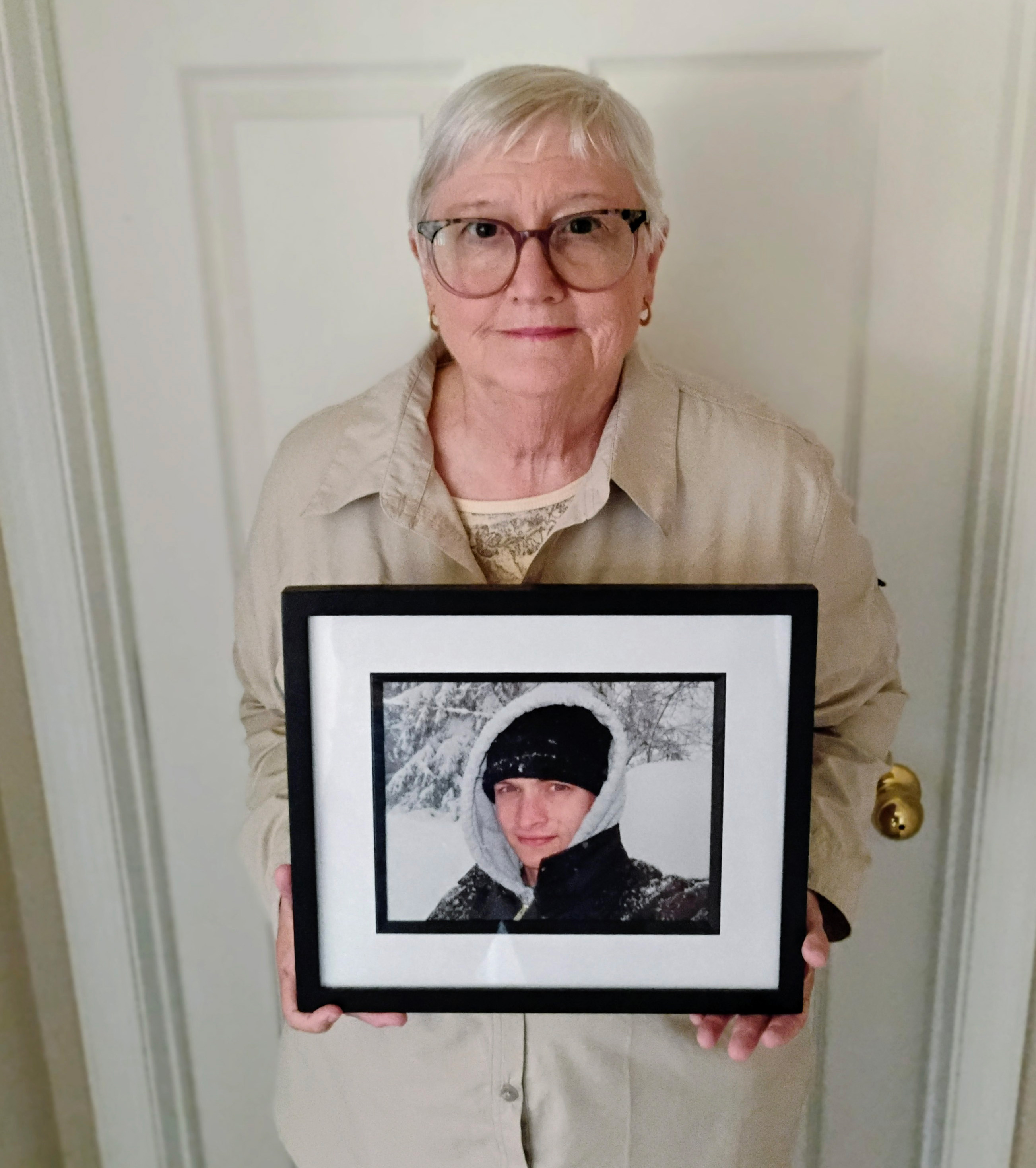
Yet, Paugh also acknowledges the limitations of these laws, particularly in cases where warning signs are not apparent. Her 25-year-old son, Peter, died by suicide in 2012. Despite appearing to be in a stable phase of life, having recently purchased a home and celebrated his brother’s birthday, he took his own life. Paugh candidly admits, "I did not know that my son was suicidal. I didn’t have a clue." In such instances, even a functioning red flag law would have been inapplicable due to the lack of identified risk.
Michael Anestis, a clinical psychologist and executive director of the New Jersey Gun Violence Research Center, corroborates this observation. He notes that individuals most vulnerable to firearm suicide are often not identified as such by family members or clinicians. Research indicates that those who die by firearm suicide are less likely to have sought mental health care in the past, and a significant proportion of veterans and service members who die by gun suicide never communicate their suicidal thoughts in the months preceding their death. This invisibility makes red flag laws, while valuable for targeting specific high-risk individuals, insufficient for addressing the broader spectrum of those who are silently contemplating suicide.
Lessons From Road Safety
Nestadt draws a compelling parallel between suicide prevention and the established public health approach to road safety. "You’re not trying to figure out who’s at risk of an accident" by testing reaction times or cataloging minor collisions, he explains. Instead, governments implemented comprehensive measures such as speed limits, mandatory seat belt laws, and mandated safety features like airbags and shatter-resistant windshields. These systemic interventions led to a significant decline in traffic-related fatalities.
Applying a similar strategy to suicide prevention could involve measures like requiring permits and background checks for firearm purchases, along with mandatory waiting periods. Research has shown a correlation between permit-to-purchase laws and reduced gun suicide rates. For instance, a study in Connecticut found that enacting such a law was associated with a roughly 15% decrease in gun suicide rates, while its repeal in Missouri was linked to a 16% increase.
Furthermore, approximately three dozen states have enacted laws requiring gun owners to securely store their firearms in homes where children reside. This practice has been shown to reduce youth suicides, a particularly critical issue given the alarming rise in gun suicide rates among Black youths (245%) and Latino youths (98%) since 2014. Anestis points out that laws mandating permits and safe storage can also have a positive impact on reducing homicides and other gun injuries. The exposure to community gun violence, he explains, can lead to trauma and habituation to the idea of injury or death, creating a "double whammy" that increases an individual’s risk of suicide.
Responsibility, Rights, and Saving Lives
The gun owner community and firearm trade associations generally express reservations about universal measures like permits and waiting periods, often favoring education campaigns that focus on recognizing warning signs, discussing mental health, and safe gun storage. These initiatives place the responsibility on individuals. The National Shooting Sports Foundation, for example, has partnered with the American Foundation for Suicide Prevention to distribute educational materials in gun shops. Bill Brassard, NSSF’s senior director of suicide prevention initiatives, states their purpose is to "provide educational materials to the firearm-owning community on how to help prevent suicide and save lives."
The National Rifle Association (NRA) contends that policies focused on firearms overlook the deeper causes of suicidal ideation, such as mental illness. NRA spokesperson Justin Davis asserts, "Suicide is a serious issue that deserves serious solutions focused on the underlying causes, not on political efforts to restrict the rights of law-abiding Americans." He argues that "a truly dangerous individual needs to be incapacitated, not just deprived of one particular means of harm."
Despite these differing perspectives, some initiatives have managed to foster collaboration among diverse groups, including gun store owners, public health experts, and even libraries. These efforts include providing free gun locks, identifying locations that can temporarily store firearms for individuals in crisis, and educating people on how to avoid selling guns to someone who may be suicidal. These initiatives offer a glimmer of hope for individuals like Dorothy Paugh, who continues to advocate for improved mental health care, open conversations about suicide, and policies that reduce access to lethal means. While acknowledging that such policies are not a panacea, she firmly believes they "do save lives." Having experienced the profound loss of both a parent and a child to suicide, she understands that for the individuals affected and their families, these interventions make "all the difference in the world."
