
"Early detection through screening truly saves lives, as demonstrated by personal experiences. The introduction of self-testing kits marks a pivotal step in making this life-saving process more accessible, addressing common barriers and significantly boosting national screening uptake."
The National Health Service (NHS) is embarking on a transformative initiative to enhance cervical cancer prevention across the UK by piloting the widespread introduction of self-testing kits. This innovative approach aims to overcome long-standing barriers to traditional cervical screening, such as embarrassment, time constraints, and discomfort, thereby making this critical health check more convenient and discreet for millions of women. The move is celebrated by patients and medical professionals alike as a potential "game-changer" in the ongoing fight against cervical cancer, with the ultimate goal of eliminating the disease by 2040 through a combination of vaccination and improved screening strategies.
The profound impact of early detection is powerfully underscored by the personal testimony of Gem Sofianos-Boorman. At just 28 years old, Ms. Sofianos-Boorman, now 39, received a cervical cancer diagnosis following a routine screening. Her case is particularly striking as she was young, felt healthy, and exhibited no symptoms whatsoever – a common yet alarming characteristic of the disease in its early stages. Cervical cancer often progresses silently, with noticeable symptoms typically only manifesting once the disease has advanced, making treatment considerably more challenging. For Ms. Sofianos-Boorman, the diagnosis came as a complete shock, highlighting the insidious nature of the disease and the critical importance of proactive screening, even in the absence of outward signs of illness.
Her treatment involved surgery to remove the cancerous cells and several lymph nodes from her abdomen and pelvis, a crucial step to prevent the cancer from spreading to other parts of her body. Reflecting on her ordeal, Ms. Sofianos-Boorman unequivocally states, "Looking back, I truly believe that going to my screening appointment saved my life. My cancer was found early, which allowed me to have treatment before it spread." Her experience serves as a compelling testament to the efficacy of early detection and the preventative power of screening. She warmly welcomes the NHS’s initiative to enhance accessibility, recognising its potential to replicate her life-saving outcome for countless others. Her message to all eligible individuals is clear and urgent: "If you receive an invite to cervical screening, or an offer of a self-testing kit, please don’t ignore it – it could save your life."
The introduction of self-testing kits represents a significant paradigm shift in public health outreach. Dr. Sue Mann, National Clinical Director for Women’s Health, articulated the magnitude of this change, stating that "offering millions of women an alternative test they can do from the comfort of their own homes will be a game-changer – making it easier than ever for them to get tested." This initiative directly addresses the array of psychological and practical hurdles that often deter women from attending traditional clinic-based appointments. Concerns about privacy, the perceived invasiveness of the procedure, and the logistics of scheduling appointments during busy lives are all significant barriers that the self-testing option is designed to dismantle. By providing a discreet and convenient option, the NHS hopes to significantly boost the uptake of this vital, life-saving test.
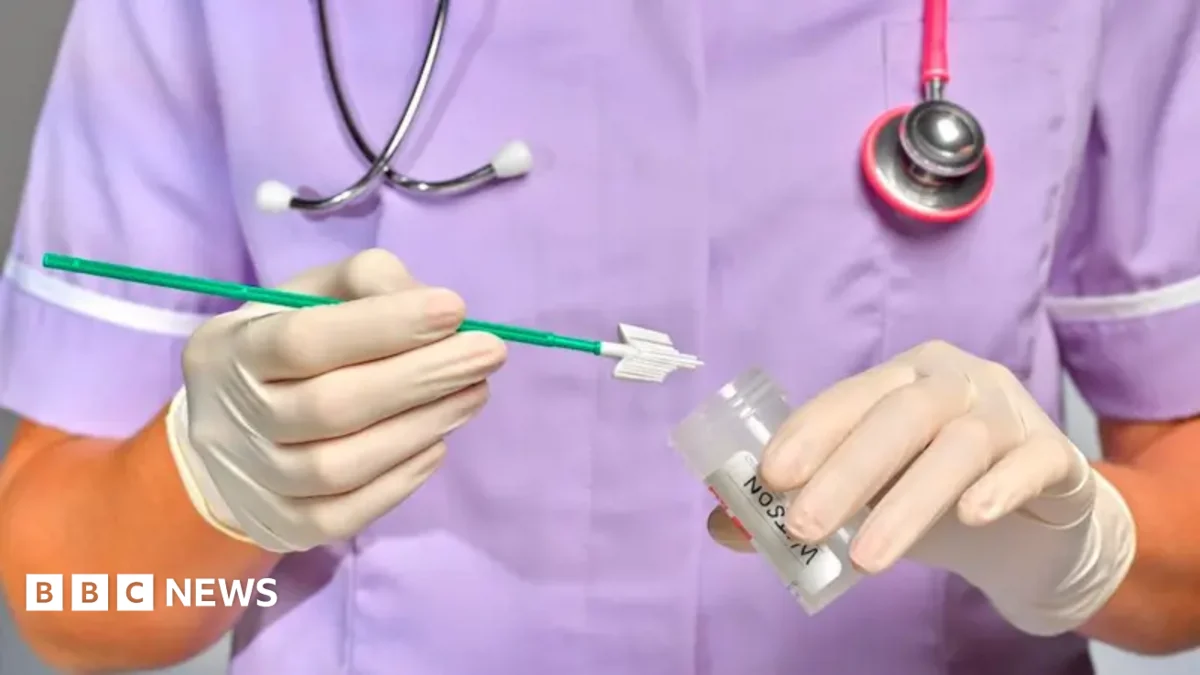
The self-testing kits are designed for ease of use and contain a simple swab, similar to a long cotton bud. Users collect a sample from their vagina in the privacy of their own home, which is then sent back to an NHS laboratory for analysis. The primary focus of this analysis is the detection of high-risk human papillomavirus (HPV). HPV is a very common virus, and certain high-risk strains are known to cause almost all cases of cervical cancer. It is crucial to understand that while high-risk HPV significantly increases the risk of developing cervical cancer, its presence does not automatically mean a woman will develop the disease. However, detecting these high-risk strains early allows for closer monitoring and timely intervention if cell changes begin to occur. If high-risk HPV is identified in a self-collected sample, the individual will then be invited to book a follow-up cervical screening appointment with a clinician for a more detailed examination and further testing, such as a colposcopy if necessary. This two-step process ensures that only those with a higher risk are called in for a traditional examination, streamlining the process and reducing unnecessary appointments.
The potential impact of this initiative on public health is substantial. Early trials of the self-testing method conducted in London have shown highly promising results, suggesting that it could encourage an additional one in ten women who previously did not attend screening to come forward. This could translate into an estimated boost in uptake by approximately 400,000 women annually across the UK, significantly increasing the reach of preventative care. The success of these trials has spurred other parts of the UK to actively explore and plan the introduction of similar self-testing programs, indicating a widespread commitment to this innovative approach.
Cervical screening remains a cornerstone of women’s health and cancer prevention. Currently, women aged 24 to 64 are invited for cervical screening every five years in England, or more frequently if high-risk HPV is detected. This systematic screening programme is designed to detect precancerous cell changes or the presence of high-risk HPV before cancer develops. Alongside screening, the NHS has a robust HPV vaccination programme, offered to teenagers, which protects against the most common high-risk types of HPV. This dual-pronged strategy – vaccination to prevent infection and screening to detect early changes – forms the bedrock of the NHS’s ambitious target to eliminate cervical cancer as a public health problem by 2040. This goal aligns with the World Health Organization’s global strategy, which advocates for widespread vaccination, screening, and treatment to achieve elimination.
Despite the excitement surrounding self-testing, the NHS is clear that traditional cervical screening appointments with a clinician remain the most comprehensive and effective way to prevent cervical cancer. These appointments offer the opportunity for a direct visual examination, collection of cells from the cervix itself, and a broader health check. The self-testing kits serve as an invaluable tool to bring more people into the screening pathway, particularly those who have been hesitant or unable to attend traditional appointments. It is a complementary measure, designed to broaden access, not replace the clinical gold standard. The NHS also strongly encourages anyone who has missed a previous screening appointment to come forward at any time, emphasizing that it is never too late to take this crucial step for their health.
The journey towards eliminating cervical cancer is multifaceted, encompassing public awareness, vaccination, and accessible screening. The introduction of self-testing kits is a testament to the NHS’s commitment to innovation in healthcare delivery, adapting to the needs of the population to ensure that preventative measures reach as many individuals as possible. By empowering women with a convenient and private option for initial screening, the UK is taking a significant stride towards a future where cervical cancer is a disease of the past.
