
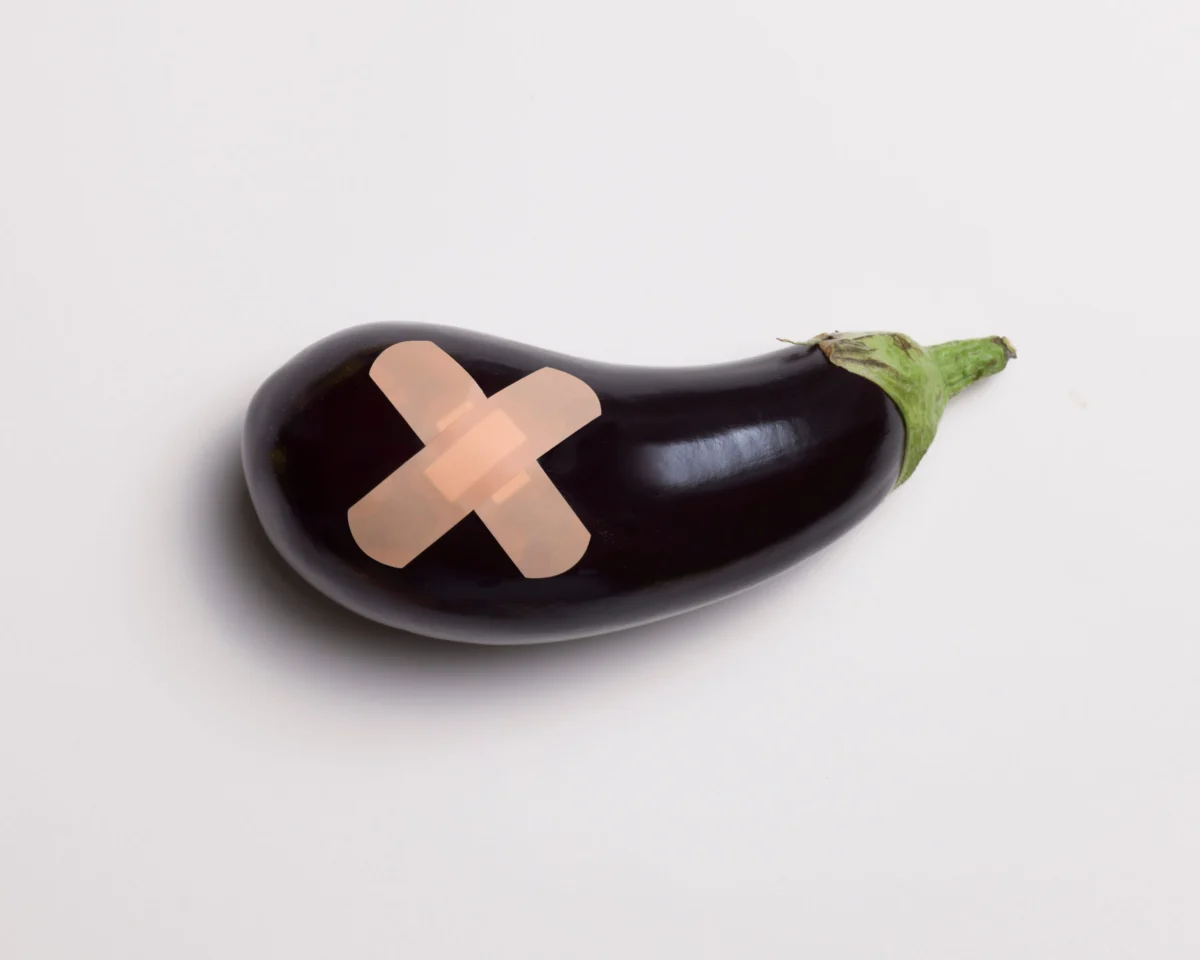
"While often considered a taboo subject, penile injuries represent serious medical emergencies where prompt intervention is the critical factor between a full recovery and permanent functional loss."
The delicacy of male reproductive anatomy necessitates a high degree of awareness regarding potential trauma, yet social stigma often prevents the dissemination of vital safety information. From the sudden mechanical failure of a penile fracture to the ischemic risks of strangulation, urological emergencies require immediate clinical attention to preserve both urinary and sexual function. Understanding the physiological mechanisms behind these injuries—and the preventive measures that can mitigate them—is essential for maintaining long-term reproductive health and avoiding the life-altering complications of erectile dysfunction or permanent disfigurement.
The Mechanics of the Penile Fracture
The term "penile fracture" is a clinical misnomer, as the human penis contains no bone. However, the injury is no less severe than a skeletal break. The anatomy of an erection relies on the corpora cavernosa, two cylindrical chambers that fill with blood. These chambers are encased in a remarkably tough, fibrous envelope called the tunica albuginea. When the penis is flaccid, the tunica albuginea is relatively thick and resilient; however, during an erection, it thins significantly—from approximately 2 millimeters to as little as 0.25 millimeters—to accommodate the increased volume.
A fracture occurs when a sudden, blunt force causes the erect penis to buckle, leading to a rupture of this thinned tunica albuginea. This is most frequently observed during vigorous sexual intercourse when the penis accidentally slips out of the partner and strikes a firm surface, such as the pubic bone or the perineum. Statistically, certain positions carry a higher risk due to the angle of thrusting and the distribution of weight; positions where the partner is on top or where the rhythm is difficult to control are most commonly cited in emergency room admissions.
The clinical presentation of a penile fracture is unmistakable. Patients typically report an audible "popping" or "cracking" sound, followed by an immediate loss of erection and intense pain. As blood escapes the corpora cavernosa into the surrounding tissue, the penis develops a characteristic appearance known as the "eggplant deformity"—marked by significant swelling and dark purple bruising. This is a surgical emergency. Without prompt operative repair to suture the tear in the tunica albuginea, the patient faces a high risk of developing Peyronie’s disease (a painful curvature caused by scar tissue) or permanent erectile dysfunction.
Penile Strangulation and Ischemic Risk
Penile strangulation is another critical emergency, often resulting from the use of constrictive objects intended to enhance sexual performance or satisfy curiosity. While medical-grade "cock rings" are designed with safety in mind—often made of flexible silicone or featuring quick-release mechanisms—injuries occur when individuals use improvised, non-yielding items such as metal rings, heavy rubber bands, hair ties, or even industrial nuts.
The physiological danger of strangulation lies in the hierarchy of blood pressure. Venous return (blood leaving the penis) is under much lower pressure than arterial inflow (blood entering the penis). When a constrictive object is applied, it first obstructs the veins. This causes blood to pool in the penis, leading to rapid swelling. As the penis expands, the object becomes even tighter, eventually reaching a point where it exceeds arterial pressure. At this stage, fresh, oxygenated blood can no longer reach the tissue.
If the constriction is not removed within a few hours, the lack of oxygen leads to ischemia, tissue necrosis, and eventually gangrene. In severe cases, this can necessitate partial or total amputation. Emergency department interventions for strangulation often involve specialized equipment, ranging from heavy-duty bolt cutters for metal rings to the "string technique" used to compress the tissue and slide the object off. Prevention is centered on using only body-safe, flexible products and ensuring they are removed immediately if any numbness, coldness, or excessive swelling occurs.

Pediatric and Vulnerable Populations: The Hair Tourniquet
A specific and often overlooked form of strangulation is "hair tourniquet syndrome." This primarily affects infants and young children. A stray strand of hair or a loose thread from a sock can become wrapped around the penis, often unnoticed by caregivers. Because the skin of a child is so soft, the hair can cut deep into the tissue as the area swells, becoming nearly invisible to the naked eye.
Urologists advise parents of inconsolable infants to always perform a "head-to-toe" check, which includes inspecting the toes, fingers, and genitals for any signs of constriction. If caught early, the hair can be snipped; if delayed, it can sever the urethra or the blood supply to the glans.
Soft Tissue Trauma: The Zipper Injury
Statistically, the most common reason for a penis-related emergency room visit is the "zipper injury." While often played for comedic effect in popular media, the reality involves painful skin entrapment that can lead to infection or scarring. These injuries are most prevalent in three demographic groups: young children who are still mastering motor skills, elderly individuals who may have decreased manual dexterity, and adults with neurocognitive impairments.
The injury typically involves the foreskin or the loose skin of the penile shaft becoming caught between the teeth of the zipper or within the sliding mechanism itself. Attempting to force the zipper up or down usually exacerbates the trauma. Clinical management often involves the application of mineral oil to lubricate the skin or, in more complex cases, the use of bone cutters to dismantle the zipper slide without further damaging the tissue. The simplest preventive measure is the consistent use of underwear to provide a physical barrier between the skin and the fastening mechanism of trousers.
External Trauma: Bites, Accidents, and Environmental Hazards
The penis is also susceptible to external environmental trauma. Though less common than sexual or clothing-related injuries, these incidents often carry a higher risk of systemic infection or complex tissue loss.
- Animal and Human Bites: Bites to the genitalia are high-risk injuries due to the diverse bacteria present in mouths (such as Eikenella corrodens in humans or Pasteurella multocida in animals). These require aggressive irrigation, prophylactic antibiotics, and often a tetanus booster.
- High-Impact Accidents: Motor vehicle accidents and falls from heights can result in pelvic fractures that simultaneously rupture the urethra or cause penile avulsion.
- Industrial and Agricultural Injuries: In rural and industrial settings, "power take-off" (PTO) shafts on machinery can catch loose clothing, leading to devastating "degloving" injuries where the skin is stripped from the shaft.
- Thermal and Chemical Burns: Accidents involving fireworks or the improper use of chemical agents for hair removal or "home remedies" can lead to severe burns. Given the sensitivity and vascularity of the area, even minor burns require specialized urological or burn-unit care to prevent contractures that could interfere with urinary flow.
Long-Term Implications and Recovery
The psychological impact of a penile injury is often as significant as the physical trauma. The penis is central to a man’s sense of masculinity, reproductive capability, and sexual identity. Following an injury, many men experience anxiety, depression, or "performance anxiety," which can psychologically manifest as erectile dysfunction even after the physical tissue has healed.
From a physiological standpoint, the primary long-term concerns are the development of scar tissue and urethral strictures. Any trauma to the urethra (the tube that carries urine) can result in a narrowing that makes urination difficult and increases the risk of urinary tract infections and kidney damage. Follow-up care with a urologist is essential to monitor for these delayed complications.
Conclusion: A Proactive Approach to Safety
While the prospect of a penile injury is alarming, the vast majority are preventable through basic safety practices. Using appropriate lubrication, maintaining control during sexual activity, choosing medical-grade silicone for enhancement toys, and exercising caution with zippers are effective safeguards. Most importantly, men must overcome the "shame barrier" associated with urological health. In the event of an injury, the speed at which one seeks professional medical help is the single most important variable in ensuring a full and functional recovery. Your urological health is a vital component of your overall well-being; treating it with the same diligence as cardiac or orthopaedic health is not just advisable—it is essential.
