
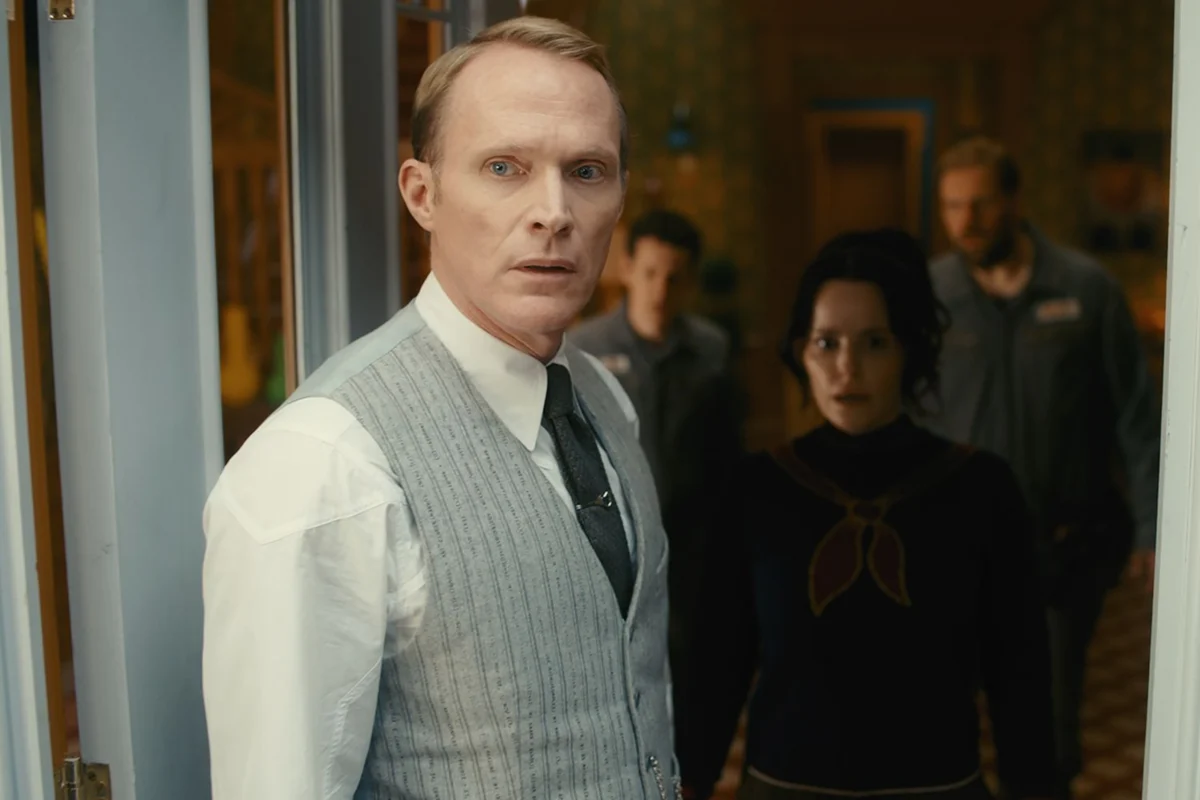
"The resurrection of Wanda Maximoff in VisionQuest signals a pivotal shift for the Marvel Cinematic Universe, transforming a tragic legacy into a cornerstone for the impending Multiversal conflict."
The Disney+ series VisionQuest serves as the definitive closing chapter to a saga that began with the grief-stricken reality of Westview, effectively bridging the gap between intimate character studies and the massive scale of the upcoming Avengers: Doomsday. By reuniting the fractured Maximoff-Vision family and reintroducing iconic threats like Ultron and Doctor Doom, the series provides both emotional closure for its protagonists and a high-stakes prologue for the MCU’s next era.
The Architecture of a Trilogy
Since the conclusion of Avengers: Endgame, the Marvel Cinematic Universe has navigated a landscape of experimental storytelling, with varying degrees of critical and commercial success. Amidst this period of transition, a specific narrative thread has emerged as a gold standard for the franchise: the "WandaVision Trilogy." Comprised of WandaVision, Agatha All Along, and now VisionQuest, this trio of shows has thrived by adhering to a deceptively simple recipe for success—pairing high-concept genre-bending with deeply beloved characters.
WandaVision captured the cultural zeitgeist during the peak of the COVID-19 pandemic, utilizing a surreal sitcom framework to explore the depths of grief through Elizabeth Olsen’s Wanda Maximoff and Paul Bettany’s Vision. It introduced Kathryn Hahn’s Agatha Harkness, who subsequently led her own successful spin-off, Agatha All Along. That middle chapter expanded the lore of the "Witches’ Road" and introduced Joe Locke as Billy Kaplan-Maximoff, the reincarnated son of Wanda and Vision. VisionQuest now completes this cycle, acting as a hybrid of its predecessors by blending high-stakes technological sci-fi with the poignant family drama that has become the heart of this corner of the MCU.
The Evolution of Vision and the Return of Ultron
At the center of VisionQuest is Paul Bettany’s continued exploration of a synthetic being striving for humanity. Following the events of WandaVision, where a "White Vision" was activated with the original’s memories but none of his emotional weight, the new series follows his journey to reconcile these two halves. Bettany’s performance remains a masterclass in subtlety, portraying a character who is technically a machine but possesses a soul-searching depth that rivals any human counterpart.

The series achieves a narrative masterstroke by "splitting the atom" of Vision’s origin, bringing back James Spader as Ultron. Spader, whose performance in Avengers: Age of Ultron was a highlight of the franchise’s second phase, returns with a nuanced portrayal that moves beyond the standard "extinction-level threat" tropes. Under the direction of showrunner Terry Matalas, VisionQuest gives Ultron layers of moral complexity, suggesting that even the most iconic villains can exist in shades of gray. The dynamic between Vision and Ultron—creator and creation, father and son—provides a sophisticated intellectual backbone to the series, questioning the nature of consciousness and the capacity for redemption.
A New Generation: Wiccan and Speed
While the return of veteran stars provides the series with gravitas, the introduction and development of Wanda and Vision’s sons provide its forward momentum. Ruaridh Mollica joins the cast as Tommy Shepherd (Speed), the superpowered brother to Joe Locke’s Billy (Wiccan). The chemistry between the two young actors effectively grounds the series in a "family unit" dynamic that has been missing since the hex on Westview was lifted.
The show’s writing, praised for its pacing and surprising twists, also introduces a fresh supporting cast that enriches the MCU’s broader world-building. Todd Stashwick’s portrayal of the Paladin adds a gritty, mercenary element to the story, while Emily Hampshire’s E.D.I.T.H. provides a sophisticated technological presence that links back to the legacy of Tony Stark. These characters serve as more than just window dressing; they are integral to a plot that feels both self-contained and essential to the larger tapestry of the Multiverse Saga.
The "Mom" Question and the Mount Wundagore Revelation
Throughout VisionQuest, a lingering question haunted both the characters and the audience: Where is Wanda Maximoff? The Scarlet Witch was last seen in Doctor Strange in the Multiverse of Madness, where she seemingly perished under the collapsing ruins of Mount Wundagore after a dark turn into villainy. Despite the four-year gap since her last appearance, her presence has loomed large over the lives of Vision and her sons.
The finale of VisionQuest provides the answer in a sequence that has sent shockwaves through the fandom. In a post-credits scene that serves as a direct lead-in to Avengers: Doomsday, the MCU’s new primary antagonist, Victor von Doom (played by Robert Downey Jr.), is seen at the site of Wanda’s apparent death. Doom lifts the massive debris of the mountain, revealing a dormant but living Wanda Maximoff. In a moment reminiscent of Jon Snow’s awakening in Game of Thrones, her eyes snap open.
"Scarlet Witch, awaken," Doom commands. "Your power will be mine."

This revelation confirms that Wanda is not only alive but has been positioned as a central figure in Doom’s grand design. It suggests a dark parallel to the 2015 Secret Wars comic book storyline, where Doom assumes the mantle of "God Emperor" and reshapes reality to his whim. In that narrative, Doom often utilizes the most powerful beings in the universe as his lieutenants or sources of power. By claiming the Scarlet Witch, Doom secures the most potent magical asset in the MCU, setting the stage for a conflict of unprecedented scale.
Towards ‘Avengers: Doomsday’
The implications of VisionQuest extend far beyond the conclusion of a television trilogy. The series effectively sets the board for Avengers: Doomsday, confirming a full-scale reunion of the Maximoff family. Recent interviews with MCU stars have further fueled the anticipation. Anthony Mackie, who leads the new era of Avengers as Captain America, recently confirmed that he had been working with Paul Bettany, inadvertently revealing that Vision will be a key player in the upcoming film.
The prospect of a reunion between Vision, Wanda, Billy, and Tommy provides the emotional stakes necessary for a film as large as Doomsday. For fans who have followed these characters since their introduction in Age of Ultron and Captain America: Civil War, the journey from tragedy to reunion represents a rare long-form narrative payoff.
Ultimately, VisionQuest succeeds because it understands that the MCU is at its best when it balances cosmic stakes with personal consequences. By resolving the mystery of Wanda’s fate and reuniting her with her husband and sons, Marvel has not only completed one of its most successful character arcs but has also ensured that the road to Doomsday is paved with genuine emotional investment. The family is getting back together, but with Doctor Doom holding the reins, their greatest challenge is yet to come.
