
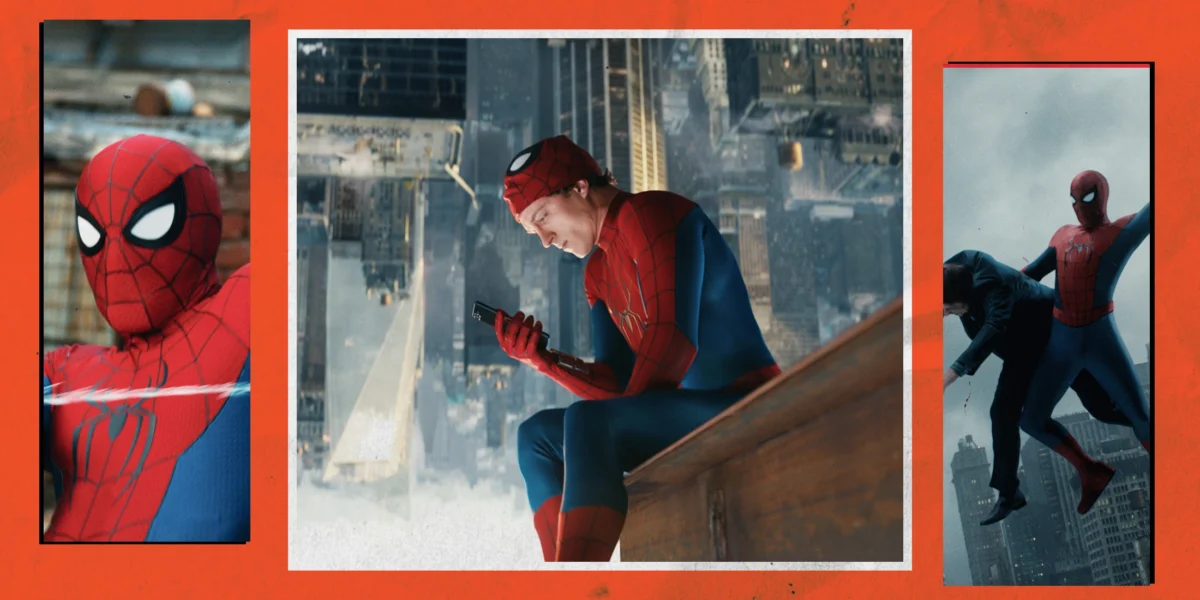
"Spider-Man: Brand New Day successfully pivots the franchise toward a gritty, character-driven narrative that explores the isolation of Peter Parker while introducing a more formidable, bureaucratized version of the Marvel Cinematic Universe."
This latest installment marks a significant departure from the multiversal spectacle of previous chapters, opting instead for a street-level focus that re-establishes Spider-Man as the "friendly neighborhood" hero of a weathered, post-Endgame New York City. By stripping Peter Parker of his social safety net and technological crutches, the film delves into the psychological toll of heroism, offering a more mature lens on the responsibility that comes with great power.

The cinematic history of Spider-Man is one of the most storied in modern entertainment, spanning three distinct eras and three beloved actors: Tobey Maguire, Andrew Garfield, and Tom Holland. Each iteration has brought something unique to the table, from the earnest melodrama of the Sam Raimi trilogy to the high-concept, interdimensional stakes of the recent MCU entries. However, expectations for a Spider-Man film are inherently higher than for almost any other superhero property. Fans do not just want action; they want the "Peter Parker" experience—the relatable struggle of a young man trying to balance a personal life with the crushing weight of a secret identity. Spider-Man: Brand New Day enters this landscape with the difficult task of following 2021’s No Way Home, a film that served as both a massive commercial success and a narrative reset for the character.
The film picks up several years after the events of the previous movie. The world has moved on, and the memory of Peter Parker has been erased from the collective consciousness of the planet. We find Peter living a "run-down" life in New York City. He is no longer the protégé of billionaire philanthropists or a member of an elite superhero team; he is a solitary figure operating out of a cramped apartment, stitching his own suits and patrolling the streets of Manhattan. While the public adores the "friendly neighborhood Spider-Man," Peter himself is a ghost. This isolation is the driving force of the narrative, as Peter has intentionally shut himself off from a social life to protect those he loves. He has written a letter to his former girlfriend MJ (Zendaya) and best friend Ned (Jacob Batalon), attempting to explain their shared history, yet the fear of endangering them again keeps the letter tucked away.
The creative team behind Brand New Day suggests a deliberate shift in tone. While Chris McKenna and Erik Sommers return as the primary screenwriters—having penned the previous "Home" trilogy—the addition of Justin Kuritzkes for "additional literary material" is palpable. Kuritzkes, known for the sharp, character-driven tension of Challengers, likely contributed to the more grounded and mature atmosphere that permeates the film’s 145-minute runtime. Director Destin Daniel Cretton, who previously helmed Shang-Chi and the Legend of the Ten Rings, brings a visceral, tactile quality to the action sequences that makes the stakes feel personal rather than cosmic.

The casting of the film is perhaps its strongest asset, blending returning favorites with heavy hitters from the world of prestige television. Liza Colón-Zayas, fresh off her Emmy-winning turn in The Bear, delivers a grounded performance as a New York City detective who serves as Spider-Man’s primary contact within the NYPD. Her presence adds a procedural element to the story, anchoring the superheroics in the reality of urban law enforcement. Similarly, Tramell Tillman of Severance brings a chilling, deadpan authority to his role as a high-level government bureaucrat. Tillman’s ability to shift from a friendly facade to a cold, calculating professional makes him a perfect representative of the film’s more systemic threats.
The inclusion of Jon Bernthal as Frank Castle, the Punisher, is a major highlight for long-term Marvel fans. Bernthal, who first portrayed the character in the Netflix Daredevil series, brings his signature intensity to the role, though the film notably avoids calling him "The Punisher." Instead, he is presented as a violent antihero whose methods clash fundamentally with Peter Parker’s "no-kill" rule. The dynamic between the two—particularly during a high-octane chase involving a runaway tank through the streets of Manhattan—highlights the moral complexity of vigilante justice in a world that is increasingly wary of unregulated heroes. Mark Ruffalo also appears as Bruce Banner, providing a bridge to the wider MCU and lending a sense of history and gravitas to the proceedings.
However, the most discussed aspect of the film’s cast is Sadie Sink. The Stranger Things star has been a central part of the marketing campaign, yet her character’s identity has been guarded with extreme secrecy. While her specific role remains under wraps to preserve the theatrical experience, it is clear that her storyline is the emotional core of the movie. Sink delivers a standout performance that outshines even the veteran cast members, providing a narrative thread so compelling that the rest of the film occasionally feels like it is "spinning its wheels" whenever she is off-screen. Her presence signals a new direction for the franchise, one that leans into the "Brand New Day" subtitle—a reference to the 2008 comic book soft-reboot that revitalized the character for a new generation.

Thematic depth is provided by the evolving role of the Department of Damage Control (DODC). Originally introduced in Spider-Man: Homecoming as a cleanup crew for superhero battles, the DODC has gradually morphed into a more sinister entity throughout the MCU’s Phase 4 and 5. In Brand New Day, the agency represents the "gross government overreach" that Peter must navigate. The DODC is no longer just cleaning up messes; they are an enforcement arm that often functions as an antagonist to street-level heroes. This bureaucratic villainy provides a sharp contrast to the flamboyant supervillains of the past, making the world of Brand New Day feel more reflective of contemporary anxieties regarding surveillance and authority.
Despite its ties to the broader MCU, Brand New Day feels remarkably self-contained. It is structured as a classic, slice-of-life comic book arc with a clear beginning, middle, and end. There is a refreshing lack of "teasing" for future installments; the film is content to tell its own story and explore Peter Parker’s current state of mind. This focus on character over world-building is what makes the movie stand out in a crowded marketplace. It acknowledges the history of the character—the "Tobeys, Andrews, and Toms"—while carving out a new space that feels earned.
The film’s 145-minute length allows for a patient exploration of Peter’s new reality. We see the drudgery of his daily life, the loneliness of his nights, and the quiet satisfaction he finds in small victories. This is not the Spider-Man who fought Thanos in outer space; this is the Spider-Man who helps the NYPD catch carjackers and looks out for the residents of a crumbling New York. It is a return to form that reminds audiences why they fell in love with the character in the first place.

In conclusion, Spider-Man: Brand New Day is a successful "re-pilot" for the character within the MCU. It balances the high-octane action expected of a summer blockbuster with the intimate character study of an indie drama. By leaning into a more mature tone and utilizing a world-class supporting cast, the film manages to exceed the high expectations placed upon it. It serves as a reminder that even after twenty years of big-screen adventures, there are still new stories to tell about Peter Parker, and the "Brand New Day" is just beginning. For fans looking to witness the next chapter of the web-slinger’s journey, the film offers a satisfying, emotionally resonant experience that honors the past while looking firmly toward the future.
