
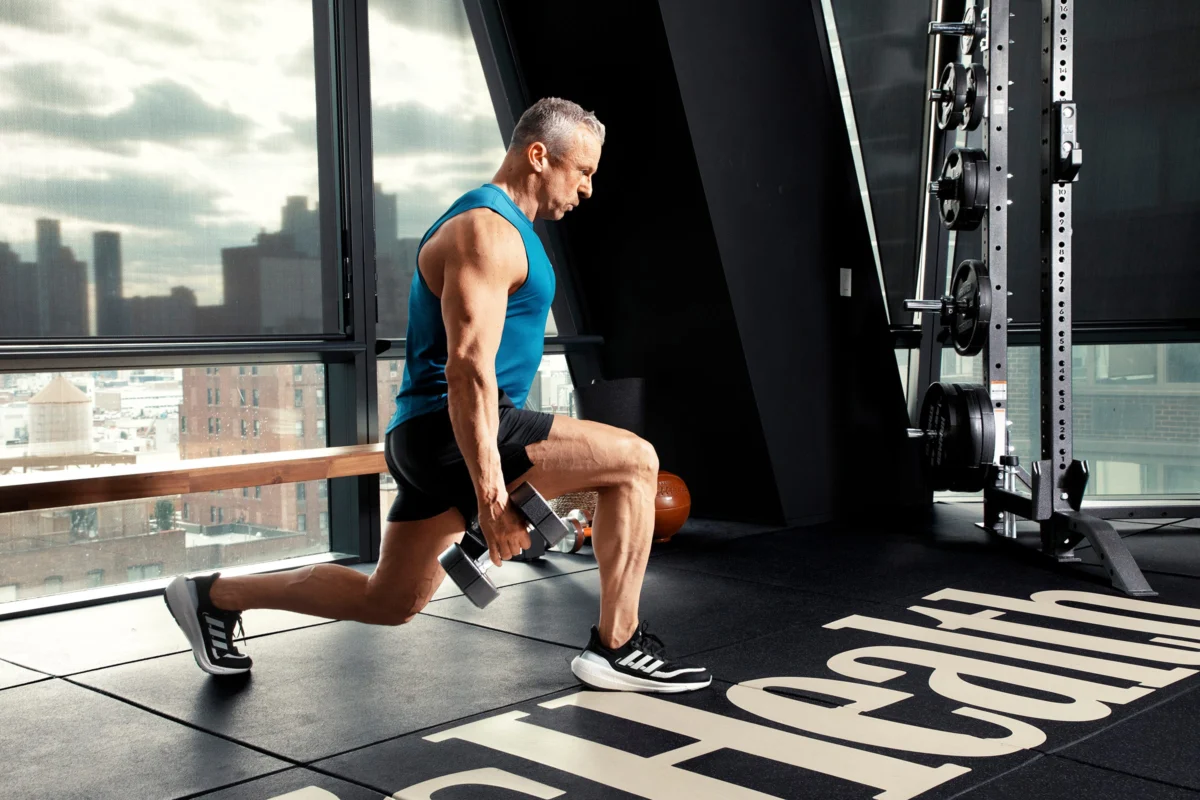
"Building muscle in your fifties is not a matter of trying harder, but of training smarter by selecting movements that maximize tension while minimizing joint stress."

The traditional narrative of fitness suggests that the human body enters a period of inevitable decline after the age of thirty, with muscle mass becoming increasingly difficult to maintain, let alone build. However, modern exercise science and the success of veteran trainers suggest that the biological "expiration date" for hypertrophy is a myth. While the physiological landscape changes—necessitating a shift in recovery protocols and exercise selection—the capacity for the musculoskeletal system to adapt to resistance remains a lifelong asset, provided the trainee adopts a strategy that prioritizes longevity and joint integrity over raw, ego-driven poundage.
The New Paradigm of Mature Training
For decades, the fitness industry focused almost exclusively on the "younger" demographic, leaving men over 50 to believe that their only options were maintenance or slow regression. The reality is far more optimistic. While it is true that testosterone levels may fluctuate and collagen turnover in the joints slows down, the fundamental mechanism of muscle growth—mechanical tension and metabolic stress—remains functional well into the later decades of life.

The primary obstacle for the older lifter is not a lack of growth potential, but the accumulated "wear and tear" from decades of movement. The goal of a sophisticated training program for the 50-plus demographic is to navigate these limitations. This is the philosophy championed by Bryan Krahn, C.S.C.S., a veteran trainer who has spent years refining the "Max Muscle at 50" approach. Krahn’s methodology is rooted in the idea that aging gracefully is the bare minimum; the real objective is to continue improving, refining the physique, and building functional strength that serves as a protective armor against the frailty often associated with aging.
The Golden Rule: Stay Off the Injured Reserve
The most significant difference between a 25-year-old trainee and a 55-year-old trainee is the margin for error. A younger lifter can often recover from a technical lapse or an overly ambitious set within a few days. For the older lifter, an injury can result in weeks or months of lost progress, which is the ultimate enemy of hypertrophy. Therefore, the number one rule for building muscle after 50 is the avoidance of injury.

To achieve this, exercise selection must evolve. The "expansive library" of high-risk, high-reward movements—such as heavy barbell back squats or maximum-effort flat bench presses—often gives way to variations that offer similar muscle recruitment with significantly less joint strain. By focusing on "joint-friendly" movements, lifters can maintain the high intensity necessary for growth without the systemic inflammation that leads to burnout.
Pillar 1: The Dumbbell Row for Scapular Health and Posture
As men age, the effects of a sedentary lifestyle or desk-bound work often manifest in "rounded shoulders" and a weakened posterior chain. The dumbbell row is an essential tool in the 50-plus arsenal because it addresses these postural issues while being one of the most effective builders of the upper back and latissimus dorsi.

Unlike barbell rows, which can put significant strain on the lower back (lumbar spine) due to the bent-over position, the one-arm dumbbell row allows the trainee to use a bench for support. This stabilization removes the limiting factor of lower back fatigue, allowing the lifter to focus entirely on the target muscles. Furthermore, the dumbbell row allows for a greater range of motion and a natural rotation of the wrist, which is often more comfortable for those with existing elbow or shoulder sensitivity.
Execution for Longevity: Perform 3 sets of 8 to 10 reps per arm. Focus on pulling the weight toward the hip rather than the chest to maximize lat recruitment and keep the shoulder in a safe, depressed position.

Pillar 2: The Pushup as a Functional Chest Builder
The bench press is often considered the "king" of chest exercises, but for many older lifters, it becomes a source of chronic shoulder pain. This is often due to the fact that the shoulder blades (scapulae) are pinned against the bench, preventing the natural movement of the shoulder girdle. The pushup, a "closed-chain" movement, allows the scapulae to move freely, which reinforces proper shoulder function and protects the rotator cuff.
In addition to being a potent chest and tricep builder, the pushup is essentially a moving plank. It requires significant core stability and glute activation to maintain a rigid line from head to heels. For the man over 50, this integration of chest strength and core stability is vital for everyday functional movements.

Execution for Longevity: Perform 3 sets of 12 to 15 reps. If standard pushups become too easy, instead of simply doing more reps, trainees can increase the difficulty by using a weighted vest or slowing down the tempo (the "eccentric" phase) to increase time under tension without needing heavy external weights.
Pillar 3: The Split Squat for Balance and Mobility
The bilateral barbell back squat is often the first casualty of age-related training adjustments. The heavy compression on the spine and the requirements for extreme hip and ankle mobility can make it a risky proposition. The split squat, however, offers a brilliant alternative. By training one leg at a time (unilateral training), the lifter can achieve high levels of muscle stimulation in the quads and glutes with half the total weight on their spine.
Split squats also address two critical components of aging: balance and hip mobility. The staggered stance forces the stabilizer muscles around the hips and ankles to work harder, which is essential for fall prevention in later life. Additionally, the split squat provides a deep stretch to the hip flexors of the trailing leg, combatting the tightness that often leads to lower back pain.
Execution for Longevity: Perform 3 sets of 6 to 8 reps per side. By keeping the front shin relatively vertical, the lifter can shift the emphasis to the glutes and hamstrings; a slight forward knee travel will put more focus on the quadriceps. This versatility allows the trainee to tailor the move to their specific needs and joint comfort.
The Importance of a Structured Program
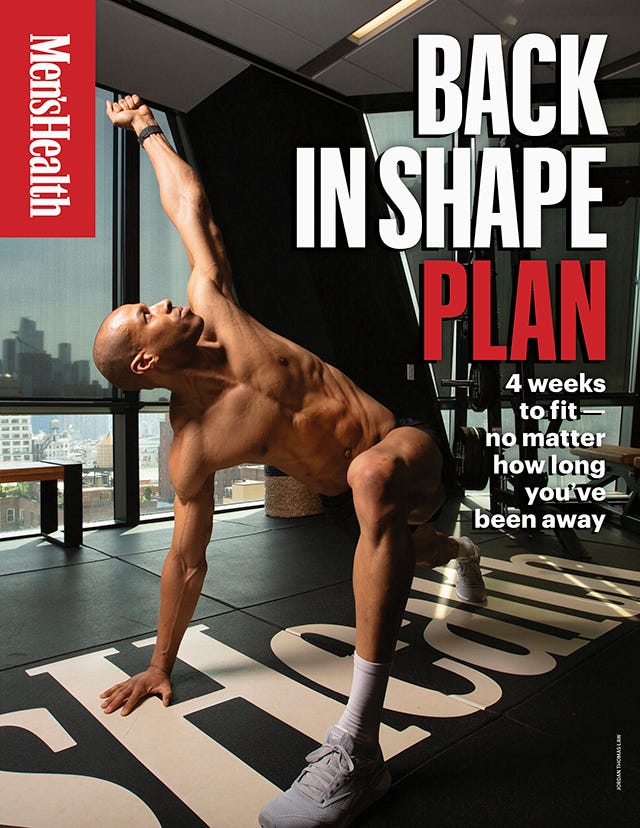
Building muscle after 50 is not a haphazard endeavor. It requires a commitment to a structured, periodized plan that accounts for the slower recovery times of the mature athlete. This is where programs like "Max Muscle at 50" become invaluable. These plans are designed to provide the optimal "dose" of exercise—enough to trigger growth, but not so much that it overwhelms the body’s ability to repair itself.
Membership-based platforms, such as the MH MVP Premium, offer access to these specialized routines, which often include four-week blocks designed to build strength, improve cardiovascular health, and shed stubborn body fat. These programs move beyond simple "workouts" and offer a comprehensive roadmap for physical transformation.
The Holistic View: Recovery and Nutrition
While exercise selection is the engine of muscle growth, recovery is the fuel. For the 50-plus athlete, nutrition and sleep are non-negotiable. Protein requirements actually increase with age to combat "anabolic resistance," meaning the older lifter may need more protein per pound of body weight than their younger counterparts to see the same results.
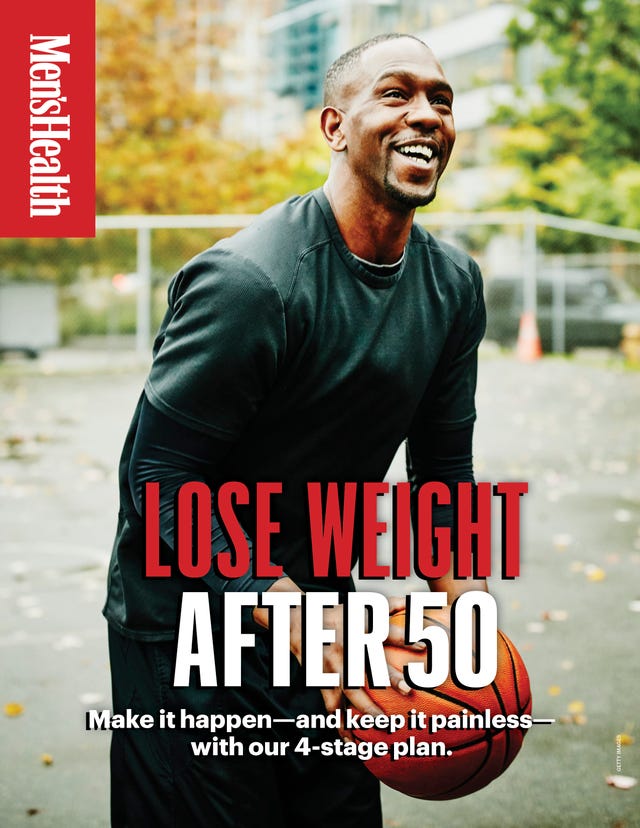
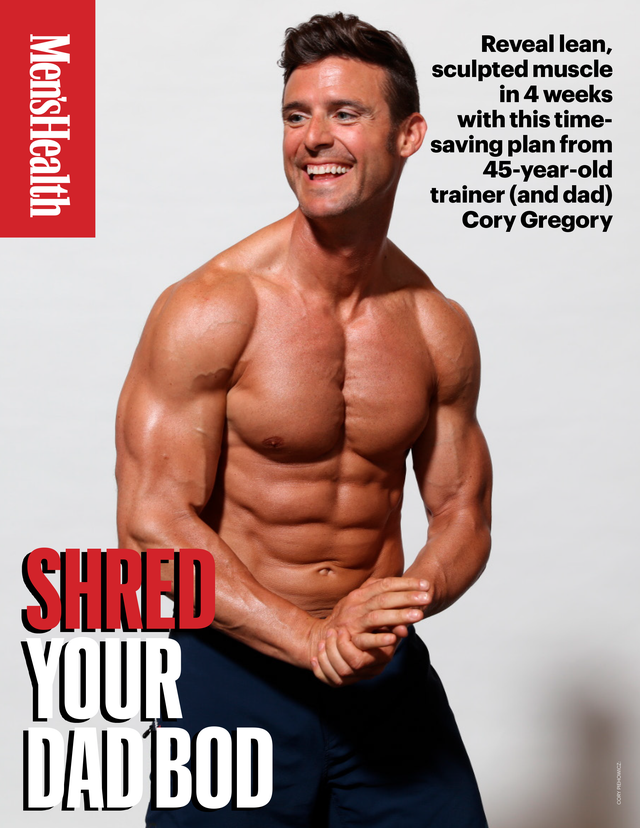
Furthermore, the "Max Muscle" philosophy extends beyond the gym floor. It encompasses a lifestyle of "Age Strong" principles, where walking for cardiovascular health, maintaining flexibility, and managing stress are seen as equal partners to weightlifting. Whether the goal is to lose a "dad bod," grow the arms, or simply feel more capable in daily life, the transition to a more strategic, joint-friendly approach is the key to unlocking a second peak in physical fitness.

In conclusion, the path to maximum muscle at 50 and beyond is paved with consistency, intelligence, and a respect for the body’s changing needs. By mastering essential movements like the dumbbell row, the pushup, and the split squat, and by following a professionally designed program, any man can defy the stereotypes of aging and build a physique that is both powerful and resilient.
