
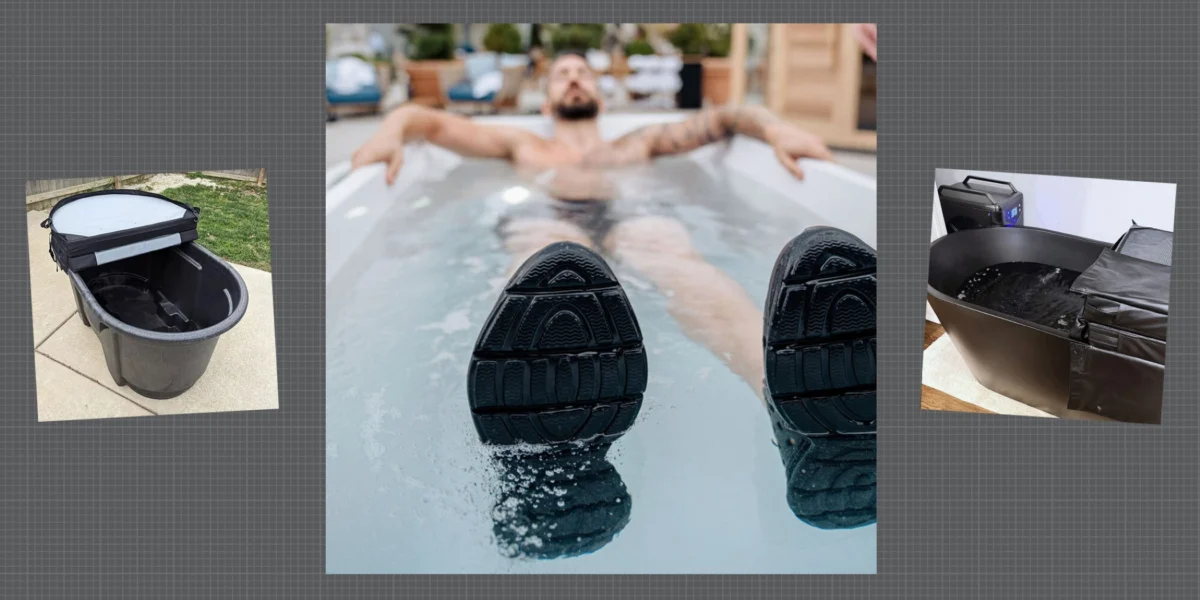
"The transition of cold water immersion from a specialized athletic recovery tool to a mainstream home wellness staple represents a fundamental shift in how we approach physical recovery and mental resilience. Whether through a high-tech automated chiller or a utilitarian stock tank, the ability to access sub-50-degree water at home is redefining the modern health suite."
The rapid rise of cold water immersion (CWI) is no longer a niche trend confined to the locker rooms of professional sports teams or the rigorous training grounds of elite special forces. Today, a diverse array of cold plunge tubs—ranging from affordable inflatable pods to luxury, app-controlled installations—has made the physiological and psychological benefits of "the chill" accessible to the general public. As more individuals seek ways to manage inflammation, boost metabolic health, and enhance mood through controlled stress exposure, the market for home cold plunge systems has expanded to accommodate every budget and space requirement.

The Science and Appeal of the Chill
Before diving into the specific hardware, it is essential to understand why high-performance individuals are investing thousands of dollars in what is essentially a cold bath. Scientific interest in CWI has surged, with research suggesting that regular exposure to cold water can significantly reduce muscle soreness (DOMS) by constricting blood vessels and decreasing metabolic activity. Beyond the physical, the "cold shock" response triggers a massive release of norepinephrine and dopamine, providing a sustained mood boost and improved focus.
For professional athletes like New York Yankees captain Aaron Judge or UFC star Michael Chandler, the cold plunge is a non-negotiable part of their daily routine. However, the modern market has moved beyond the simple "bucket of ice." The latest innovations focus on "set-it-and-forget-it" technology, where powerful chillers maintain precise temperatures, and advanced filtration systems keep the water clean for weeks at a time.
The Premium Standard: The Plunge All-In
At the forefront of the high-end market is the Plunge All-In. Retailing at approximately $7,990, this unit is widely considered the "graduate" level of cold plunging. Unlike early DIY models, the All-In features a sleek, Euro-minimalist design that functions as a piece of functional furniture in a backyard or home gym.

The primary appeal of the All-In lies in its versatility. It features high-quality plumbing and an integrated chiller that can drop temperatures to near-freezing or, conversely, heat the water for a steamy hot tub experience. This dual-purpose functionality justifies the price for many users. Furthermore, the unit is designed for ease of maintenance; it includes a specialized filter for the garden hose and chemical solutions to protect the internal mechanics. For those living in extreme environments, the company offers a "Pro" option designed to maintain cold temperatures even in climates exceeding 100°F.
The Utilitarian Value: Rubbermaid Stock Tanks
While technology is impressive, many purists argue that the best tool is the one that simply works. The Rubbermaid 100-gallon Stock Tank remains the gold standard for DIY enthusiasts and those who value function over aesthetics. Priced at a modest $129, this high-density polyethylene tank is a staple on farms and, notably, in military training environments.
The stock tank’s durability is legendary. It is virtually indestructible, easy to drain via a bottom plug, and deep enough to allow for full submerge up to the neck. The trade-off for the low price point is the lack of ergonomics and the manual labor involved. Users must manually add bags of ice to reach the desired temperature, and without a built-in filtration system, the water must be changed frequently. However, for those who want a "no-excuses" entry into cold plunging, the stock tank is a proven, battle-tested option.

Smart Recovery: The Polar Monkeys Brainpod 2.0
For the tech-savvy user, the Polar Monkeys Brainpod 2.0 represents the intersection of industrial engineering and smart-home integration. Priced at $10,990, it is a significant investment, but it offers a "plug-and-play" experience that appeals to busy professionals.
The Brainpod 2.0 is constructed from industrial-grade stainless steel, providing a striking modern look. Its standout feature is app connectivity, allowing users to monitor and control the water temperature remotely. This eliminates the waiting period associated with traditional chilling; a user can set their tub to 39°F from their office and have it ready the moment they walk through the door. The powerful external chiller is designed for quiet operation, making it suitable for indoor installations where noise might be a concern.
Ergonomics and Innovation: The Ice Barrel 300
The original Ice Barrel gained fame for its vertical design, which required users to step up and into a deep vat. While effective, the height was a barrier for some. The company responded with the Ice Barrel 300 ($1,150), a shorter, wider model that prioritizes accessibility and comfort.

The 300 is built with recycled plastic and insulated with polyurethane foam, which helps maintain water temperature for longer periods than uninsulated tubs. It features a built-in seat, allowing for a more relaxed plunging posture. While it currently requires manual icing, the company has designed the unit to be "chiller-ready," meaning an external cooling unit can be attached as a future upgrade. This makes it an ideal middle-ground choice for those who want a premium feel without the $8,000 upfront cost of an integrated system.
The Entry Point: Inflatable and Portable Pods
The democratization of cold plunging has been driven largely by the advent of inflatable pods. The Cold Pod and the Polar Recovery 2.0 offer entry points at or below the $250 mark. These units are constructed from multiple layers of PVC, nylon, and pearl foam insulation.
The primary advantage of these pods is their footprint. Taking up less than 30 square inches, they are ideal for apartment balconies or small patios. Despite their lightweight nature—the Polar Recovery 2.0 weighs only 6.6 lbs when unfilled—they are surprisingly durable. Users have reported these tubs surviving harsh East Coast winters without structural failure. While they lack the "luxury" feel of a stainless steel or wood-clad tub, they provide the exact same physiological benefit at a fraction of the cost.

Luxury and Aesthetics: Renu Therapy Cold Stoic 3.0
For those who view their recovery space as a sanctuary, Renu Therapy offers the Cold Stoic 3.0 ($9,700). This model is frequently found in the homes of celebrities like Mark Wahlberg and Shaquille O’Neal. The Cold Stoic is designed to be a "spa-like" experience, featuring programmable lighting for nighttime sessions and the option for high-end wood decking in California Redwood or Pacific Cedar.
Beyond its looks, the Stoic 3.0 is a powerhouse of maintenance. It features a sophisticated filtration and ozone purification system, ensuring the water stays crystal clear with minimal chemical intervention. It is designed to be a permanent fixture, often integrated directly into decks or patios, bridging the gap between a medical recovery tool and high-end home architecture.
Maintenance, Safety, and Implementation
Regardless of the model chosen, successful home cold plunging requires a commitment to safety and maintenance. Water chemistry is vital; even with filtration, users should utilize UV purifiers or water stabilizers to prevent biofilm buildup.

From a safety perspective, experts recommend starting slow. The "cold shock" response can cause hyperventilation, which is dangerous if the user is not prepared. Beginners should start at 55°F for short durations (1–2 minutes) before progressing to lower temperatures and longer stays. Most benefits are achieved within 11 minutes of total exposure per week, meaning daily three-minute plunges are more than sufficient for most health goals.
The Future of the Home Wellness Suite
As the industry matures, we can expect to see further integration of recovery technologies. We are already seeing the rise of "fire and ice" routines, where users alternate between saunas and cold plunges to maximize vascular health. The development of more efficient, quieter chillers and more sustainable materials will likely continue to drive prices down, making what was once a luxury for the elite a standard feature of the health-conscious home.
The choice of a cold plunge tub ultimately depends on a balance of three factors: budget, space, and the desire for automation. Whether one chooses the rugged simplicity of a stock tank or the refined technology of the Plunge All-In, the result remains the same—a transformative encounter with the cold that builds a stronger body and a more resilient mind.
