
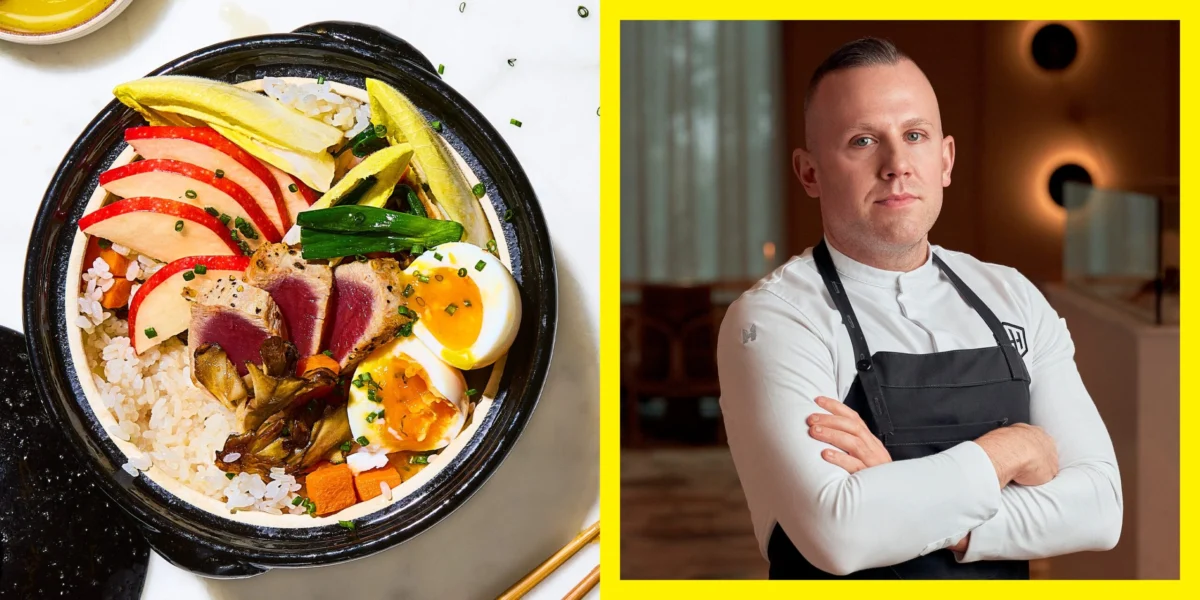
"Chef Ryan Ratino demonstrates that the peak of culinary artistry and elite physical performance are fueled by the same relentless discipline, proving that a high-protein, structured lifestyle is the ultimate recipe for professional longevity and creative excellence."
At only 35 years old, Ryan Ratino has redefined the archetype of the modern chef, moving away from the industry’s historical association with late nights and physical neglect toward a lifestyle defined by rigorous strength training and metabolic precision. By achieving the rare feat of earning five Michelin stars across a portfolio of restaurants in Washington, D.C., and Florida, while simultaneously joining the prestigious "1,000 Pound Club" in powerlifting, Ratino illustrates a growing trend among elite professionals who view physical conditioning as a prerequisite for high-stakes cognitive and creative performance.
The world of fine dining is notoriously grueling, characterized by eighteen-hour shifts, high-temperature environments, and the immense psychological pressure of maintaining Michelin-standard consistency. For most, this leads to burnout; for Ratino, it led to the squat rack. At an age where many chefs are just beginning to find their signature style, Ratino has already established a culinary empire. His flagship, Bresca, brought modern Parisian bistro vibes to D.C., earning him his first Michelin star. He followed this with Jônt, an intimate, ingredient-driven tasting counter that quickly ascended to two-star status. Expanding his reach to Florida, his ventures Maass and Ōmo have further solidified his reputation as one of the most formidable talents in the global gastronomic scene.
However, Ratino’s most impressive "numbers" might not be on a menu or a balance sheet, but on a lifting platform. He recently achieved entry into the "1,000 Pound Club," a benchmark in the fitness community that requires a person’s one-repetition maximum (1RM) of the squat, bench press, and deadlift to total at least 1,000 pounds. To reach this level of strength while managing multiple world-class kitchens requires a level of dedication that mirrors the precision of a pastry chef. Ratino works with a professional trainer six days a week, often dedicating two hours to "heavy days" where the focus is on compound movements and maximal force production.
This level of physical exertion necessitates a sophisticated approach to nutrition. Ratino’s diet is a far cry from the stereotypical chef’s diet of scraps eaten over a trash can between services. He targets a daily intake of 150 to 200 grams of protein to support muscle repair and hypertrophy, complemented by a high volume of micronutrient-dense vegetables. This nutritional strategy ensures that his body has the substrate necessary to recover from the central nervous system (CNS) fatigue associated with heavy powerlifting, as well as the cognitive demands of running a multi-city restaurant group.
One of Ratino’s preferred methods for hitting these nutritional targets without sacrificing the culinary standards he is known for is the use of the donabe. A traditional Japanese earthenware pot, the donabe is prized for its ability to distribute heat evenly and retain moisture, making it an ideal vessel for "one-pot" meals that are both efficient and flavorful. Ratino frequently prepares tuna or beef donabe, a dish that allows for a balanced distribution of macronutrients. A typical serving of this meal provides approximately 915 calories, 44 grams of protein, and 129 grams of carbohydrates. While the carbohydrate count is high, it serves a specific functional purpose: replenishing glycogen stores depleted during his two-hour training sessions. With 11 grams of fiber and a moderate 25 grams of fat, the meal is designed for slow-burning energy and digestive health, reflecting a "functional medicine" approach to cooking.

The choice of the donabe also speaks to Ratino’s desire for efficiency. "This meal can be prepared in one pot," he notes, emphasizing that even a Michelin-starred chef appreciates the reduction in cleanup. This practicality is a hallmark of his philosophy: if a process can be streamlined without compromising quality, it should be. This applies to his kitchen management, his training splits, and his meal preparation. In the high-pressure environment of a kitchen like Jônt, where every movement is choreographed, the ability to find simplicity in one’s personal life is a vital tool for mental clarity.
The implications of Ratino’s lifestyle extend beyond his personal health; they signal a cultural shift in the hospitality industry. For decades, the "tortured chef" trope—fueled by cigarettes, caffeine, and alcohol—was romanticized. Ratino represents a new guard that treats the body as a high-performance machine. Strength training, particularly the pursuit of the "Big Three" lifts (squat, bench, and deadlift), provides a mental fortitude that translates directly to the kitchen. The discipline required to pull a 400-pound deadlift is the same discipline required to source the perfect sea urchin or to manage a brigade of thirty cooks.
Furthermore, the physiological benefits of Ratino’s routine are significant. High-intensity resistance training has been shown to increase bone density, improve metabolic rate, and enhance cognitive function through the release of brain-derived neurotrophic factor (BDNF). For a chef whose career depends on sharp senses and physical stamina, these benefits are invaluable. By prioritizing 150-200 grams of protein daily, Ratino is also mitigating the age-related muscle loss that can plague those in physically demanding trades, ensuring he can remain behind the pass for decades to come.
Ratino’s restaurants—Bresca, Jônt, Maass, and Ōmo—are reflections of this balanced intensity. Bresca offers a playful yet refined experience, while Jônt is a masterclass in technique and rare ingredients. In Florida, Maass and Ōmo bring a fresh perspective to the coastal dining scene, blending Ratino’s signature creativity with local influences. Across all these venues, there is a common thread of "wild creativity" that Ratino mentions. This creativity is arguably sustained by his time in the gym. The gym provides a meditative space where the chef can disconnect from the digital and operational demands of his business, allowing the subconscious mind to solve culinary puzzles.
The "1,000 Pound Club" is more than just a fitness milestone; it is a testament to the power of structured goals. In the kitchen, success is measured by the guidebooks and the satisfaction of the guest. In the gym, success is objective—the weight either moves or it doesn’t. This objective feedback loop provides a grounding contrast to the subjective world of food criticism. For Ratino, the two worlds feed into one another. The strength gained at the squat rack provides the physical foundation to stand for fifteen hours, while the precision of the kitchen informs the technical execution of his lifts.
As the culinary world continues to evolve, the example set by Ryan Ratino offers a blueprint for the next generation. It suggests that the path to five Michelin stars does not have to come at the expense of one’s health. Instead, physical excellence can be the very foundation upon which professional success is built. By integrating the "one-pot" efficiency of a donabe meal with the rigorous demands of powerlifting, Ratino has created a sustainable ecosystem of high performance.
In conclusion, Ryan Ratino’s journey is a compelling narrative of dual mastery. Whether he is composing a complex dish at Jônt or bracing for a heavy set of squats, the underlying principles remain the same: quality, discipline, and a deep understanding of the fuel required to excel. His story serves as a reminder that the most important ingredient in any world-class kitchen is the chef’s own well-being. As he continues to expand his culinary footprint and chase new personal records in the gym, Ratino remains a singular figure at the intersection of gourmet excellence and elite athleticism.
