
"The modern men’s grooming market has transcended generic ‘all-in-one’ solutions in favor of dermatological precision, focusing on specific skin barriers, diverse textures, and sustainable ingredient sourcing."

As the global men’s personal care market continues its trajectory toward a projected $14 billion valuation, the industry is undergoing a fundamental shift from utility-based products to sophisticated, science-driven regimens. Today’s consumer is increasingly "skin-literate," moving beyond basic soap-and-water routines to seek out active ingredients like retinal, niacinamide, and glycolic acid. This evolution is defined by a diverse array of brands that cater to specific dermatological needs—ranging from the high-potency clinical eye creams of London-based labs to the rugged, military-grade formulations designed for extreme environments. Understanding this landscape requires a look at the pioneers, the budget-friendly disruptors, and the specialized innovators currently defining the gold standard in male grooming.
The Foundation of Modern Grooming: Simplicity and Efficacy
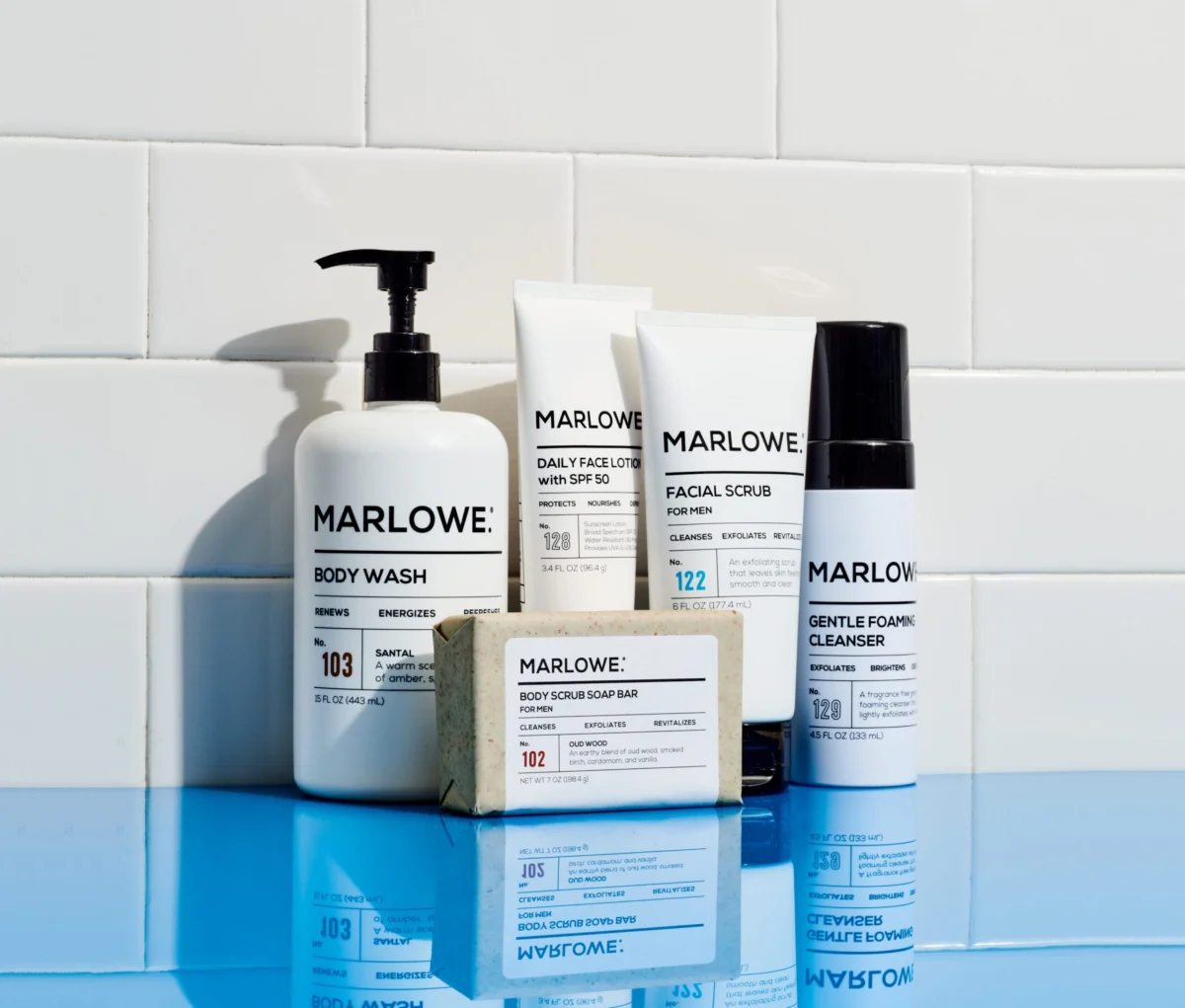
At the heart of the skincare revolution is the realization that a routine is only as good as its consistency. This is where brands like Marlowe and Harry’s have found their niche. Founded in 2014 in Los Angeles, Marlowe has built a reputation for "not overthinking" skincare. Their philosophy centers on effective, natural ingredients while avoiding common irritants like parabens and phthalates. For the modern man, Marlowe’s No. 128 Daily Face Lotion with SPF 50 represents a critical entry point into preventative care. Dermatologists consistently emphasize that sun protection is the single most important factor in preventing premature aging and skin cancer; by combining high-level SPF with a non-greasy moisturizer, Marlowe simplifies a step that many men historically neglected.

Similarly, New York-based Harry’s, which launched in 2012 as a shaving disruptor, has expanded into a holistic grooming brand. Their approach is rooted in the physical mechanics of skin health. Their exfoliating face wash utilizes volcanic rock to physically remove dead skin cells—a process known as mechanical exfoliation. This is particularly beneficial for clean-shaven men, as it helps lift trapped hairs and clear the follicle path, significantly reducing the occurrence of pseudofolliculitis barbae, commonly known as razor bumps.
Clinical Precision and the Science of the Skin Barrier
For men dealing with chronic skin issues, the market now offers pharmaceutical-grade solutions that were once the exclusive domain of dermatologists. La Roche-Posay, a brand with French heritage dating back to 1975, has become a cornerstone for those with dry or eczema-prone skin. Their formulations are built around the concept of the skin microbiome—the ecosystem of bacteria living on the skin’s surface. By utilizing ceramides (lipids that help form the skin’s barrier) and niacinamide (a form of Vitamin B3 that reduces inflammation), their Lipikar AP+M Triple Repair Body Moisturizer works to restore the skin’s natural defenses rather than just providing a temporary moisture mask.

On the higher end of the clinical spectrum is Medik8. Founded in London in 2009, Medik8 is a "science-first" brand that operates its own research labs. They are best known for their "CSA" philosophy: Vitamin C and Sunscreen by day, Vitamin A (Retinol or Retinal) by night. Their Crystal Retinal Ceramide Eye Cream highlights a significant technological advancement in the use of retinaldehyde. Retinal is a precursor to retinoic acid that works up to 11 times faster than standard retinol. For the consumer, this means more effective collagen stimulation and faster cell turnover, though it requires a "laddered" approach to prevent irritation, showcasing the brand’s commitment to professional-grade potency.
Specialized Solutions for Oily and Reactive Skin
One of the most common complaints in men’s skincare is excess sebum production, often leading to a "shiny" appearance and acne. Atwater, a relatively new player founded in 2022 by Chris Salgardo (the former president of Kiehl’s), focuses specifically on this issue. The brand’s Oil Regulator Facial Cleansing Bar utilizes charcoal to chemically draw out impurities and excess oil. A common mistake among men with oily skin is the use of harsh soaps that strip all oil, which triggers the skin to overcompensate by producing even more sebum. Atwater counters this by including glycerin, a humectant that maintains hydration levels while the charcoal manages the surface oil, creating a balanced "matte" finish.

In the European market, Paris-based Horace (founded in 2016) has gained a cult following by merging French aesthetic simplicity with personalized data. Through their online consultation tools, Horace directs men toward specific "sets," such as their Balanced Skin Set. This routine utilizes hyaluronic acid—a molecule capable of holding 1,000 times its weight in water—to provide deep hydration without the heavy, occlusive feel of traditional creams. Their mattifying moisturizers are specifically engineered to absorb quickly, leaving no greasy residue, which is a primary deterrent for men starting a skincare journey.
Heritage, Identity, and the Cultural Shift
Skincare is also increasingly tied to identity and lifestyle. Bravo Sierra, founded in 2018 in New York, positions itself as a "military-grade" brand. Their products are field-tested by active-duty service members to ensure they withstand extreme heat and physical exertion. Beyond the "stress-test" marketing, the brand maintains a strong ethical component, having donated over $500,000 to veteran organizations. Their use of probiotics in deodorants represents a shift away from aluminum-based antiperspirants, focusing instead on managing the odor-causing bacteria itself.

Conversely, Bevel (founded in 2013 in Atlanta) was born out of a necessity to serve men of color, who are disproportionately affected by ingrown hairs and hyperpigmentation due to curly hair textures. Bevel’s exfoliating toner pads, which feature a 10 percent glycolic acid concentration, provide chemical exfoliation. Unlike physical scrubs, glycolic acid (an Alpha Hydroxy Acid) dissolves the "glue" holding dead skin cells together. This allows for a deeper cleaning of the pores and helps to fade the dark spots left behind by previous breakouts or razor irritation, providing a tailored solution for a demographic long ignored by legacy grooming companies.
The Rise of "Status" Skincare and Sensory Experience
As the ritual of grooming becomes more self-care oriented, the sensory experience of products has taken center stage. Aesop, founded in Melbourne in 1987, pioneered the concept of "status skincare." Their amber glass bottles have become a design staple in high-end bathrooms worldwide, but the brand’s longevity is rooted in its botanical expertise. Aesop’s products, such as the Parsley Seed Anti-Oxidant Intense Serum, rely on high concentrations of antioxidants to protect the skin from environmental pollutants—a major concern for urban dwellers. Furthermore, their focus on complex, "cologne-quality" scents like sandalwood, coriander, and neroli transforms a mundane task into an artisanal experience.

Finally, the legacy of the industry is anchored by brands like Baxter of California. Since 1965, Baxter has bridged the gap between the traditional barbershop and modern dermatology. Based in Venice Beach, they have mastered the balance of "old-school" reliability with "new-school" ingredients. Their use of walnut shell powder in facial scrubs offers a natural alternative to plastic microbeads, which have been widely banned for their environmental impact.
Conclusion: The Future of the Male Vanity
The current state of men’s skincare reflects a broader cultural move toward health-conscious living and specialized self-care. Whether it is the budget-conscious efficiency of Bevel and Harry’s or the luxury clinical interventions of Medik8 and Aesop, the common thread is a move away from the "one-size-fits-all" mentality. As men continue to educate themselves on the specific needs of their skin—be it oil regulation, barrier repair, or anti-aging—the brands that prioritize ingredient transparency, ethical sourcing, and targeted efficacy will continue to lead the market. The modern man no longer just buys a product; he invests in a dermatological strategy.
