
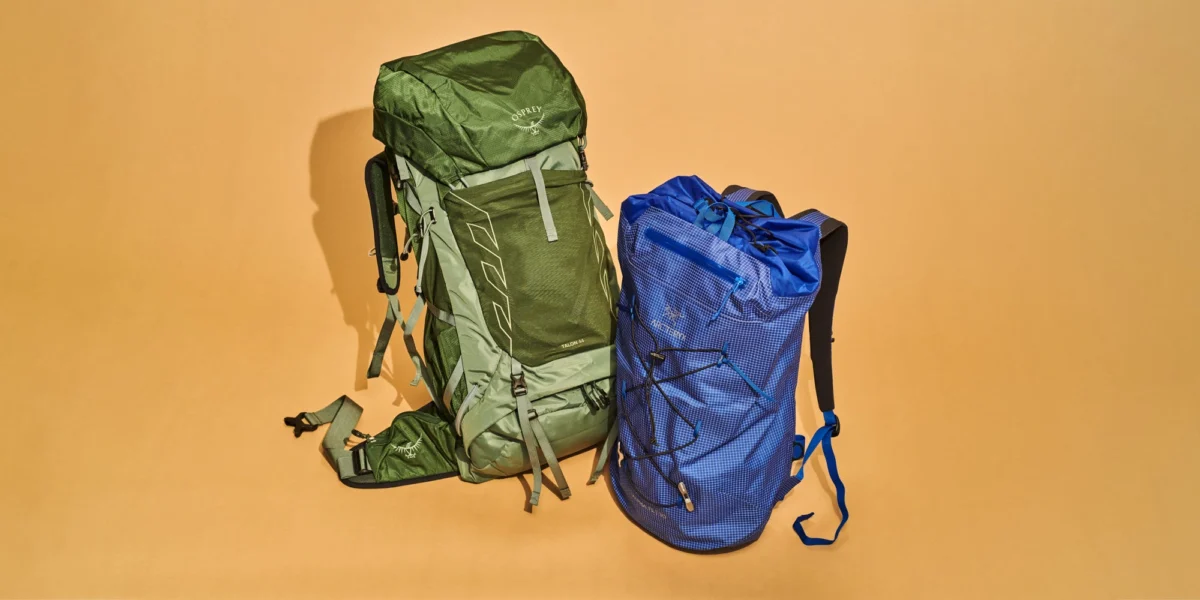
"The next generation of trail gear is defined by a convergence of high-strength aerospace textiles and modular ergonomics, proving that modern hikers no longer have to choose between a featherweight build and long-term durability."

The landscape of outdoor equipment is currently undergoing a significant transformation, driven by the emergence of proprietary fabrics and a deeper understanding of human kinetics. As evidenced by the latest industry accolades, including the prestigious Men’s Health Outdoor Awards, the modern hiking backpack has evolved from a simple vessel for gear into a sophisticated piece of wearable technology. This shift is characterized by the integration of materials like ALUULA and Hadron grid fabrics, which offer unprecedented strength-to-weight ratios, alongside suspension systems that prioritize ventilation and customizable fit. Whether for high-altitude technical climbs, multi-day wilderness treks, or hybrid "commute-to-trail" lifestyles, the current market offers a specialized solution for every variety of outdoor enthusiast.
The Standard for Versatility: Osprey’s Reimagined Classics
For many hikers, the ideal backpack is one that can transition seamlessly between a demanding day hike and a lightweight overnight trip. In this category, Osprey continues to set the benchmark with the Kestrel LT 45. Recently recognized as the "Best New All-Purpose Backpack," the Kestrel LT 45 represents a modern reimagining of the classic rucksack. With a 45-liter capacity, it provides the volume necessary for most excursions without the bulk of a dedicated expedition pack.

The technical success of the Kestrel LT 45 lies in its AirScape back panel, which utilizes injection-molded foam covered in mesh to provide a stable, breathable interface with the wearer’s back. This is paired with an adjustable torso system, allowing for a precision fit that accommodates a wide spectrum of body types. At approximately four pounds, it strikes a balance between ruggedness and weight, featuring a streamlined exterior that can be compressed tightly when the pack is not at full capacity.
Similarly, the Osprey Talon 44 remains a staple for those seeking a closer, more athletic fit. The Talon series has long been praised for its "wrap-around" harness and hip belt, which move with the body rather than against it. The latest iteration includes refined padding and upgraded strap materials, making it a premier choice for "weekender" trips where comfort over long mileage is the primary concern.

The Ultralight Revolution: ALUULA and Technical Fabrics
The most significant leap in backpack technology this year is the debut of the Mountain Hardwear Alakazam series. Utilizing ALUULA shell fabric—a material originally developed for high-performance kiteboarding and sailing—the Alakazam 45L achieves a staggering weight of only 820 grams. Despite its lightness, the fabric is exceptionally resistant to tears and abrasions, addressing the traditional criticism that ultralight gear is inherently fragile.
The Alakazam features a unique V-shaped aluminum frame that provides structural integrity without the weight of a full peripheral frame. Its GiddyUp compression system allows hikers to stabilize their load with a single pull, while the roll-top design ensures the main compartment remains entirely waterproof. For those pushing the limits of speed and distance, this pack represents the current pinnacle of weight-saving engineering.

In the same vein of technical excellence, the Arc’teryx Alpha FL 30 is designed for the "fast and light" (FL) alpine climber. While minimalist in its organizational features, it utilizes the brand’s proprietary Hadron grid fabric to protect gear against rock and ice. With a total weight of 23 ounces and a built-in RECCO reflector for search-and-rescue situations, the Alpha FL 30 is a specialized tool for those who prioritize speed and safety in high-consequence environments.
The Integration of Heritage and Durability: Yeti and Mystery Ranch
One of the most anticipated developments in the outdoor gear market has been Yeti’s expansion into technical hiking packs, fueled by its acquisition of the legendary Mystery Ranch brand. The result of this collaboration is the Yeti Skala 32. This pack marries Mystery Ranch’s renowned load-carriage expertise with Yeti’s "built-to-survive-anything" philosophy.

The standout feature of the Skala is the RipZip opening, a signature Mystery Ranch design that allows for instantaneous, one-handed access to the entire contents of the bag. While the Skala is heavier than its ultralight competitors at 3.4 pounds, its AlumaLite internal frame and heavy-duty textiles make it one of the most durable packs on the market. It is designed for the hiker who views gear as a long-term investment, adhering to the "buy once, cry once" mentality of premium outdoor equipment.
Ergonomics and Long-Distance Comfort
For treks that span hundreds of miles, the interface between the pack and the human body becomes the most critical factor. The Gregory Paragon 60 has distinguished itself as the most comfortable high-capacity pack in recent testing. Gregory’s approach focuses on dynamic movement; the Paragon’s hip belt features panels that flex and move independently of the frame, mirroring the natural motion of a hiker’s gait.

The Paragon 60 also addresses the issue of heat management through its Aerolon suspension, which is designed to be 90% air, facilitating maximum airflow across the back. Furthermore, the inclusion of a PFAS-free durable water-repellent (DWR) coating reflects a broader industry move toward ecological responsibility without sacrificing performance.
On the lighter side of the ergonomic spectrum, the Gossamer Gear Grit 28 Fastpack introduces vest-style shoulder straps to the traditional daypack. By distributing the weight across the chest and shoulders—similar to a trail running vest—the Grit 28 eliminates the "bounce" associated with traditional small packs. Weighing only 459 grams, it is the go-to choice for "summit assaults" and fastpacking, where the goal is to maintain a high tempo over technical terrain.

Hybrid Solutions: From the Airport to the Trailhead
As the boundaries between professional life and outdoor recreation continue to blur, manufacturers are producing hybrid packs that serve dual roles. The Peak Design Outdoor 25L is a prime example of this trend. It features a frameless, low-profile build that is appropriate for a morning commute, including a dedicated 16-inch laptop sleeve. However, it is also hydration-compatible and features a roll-top closure for weather resistance on the trail. Its modular design allows users to integrate Peak Design’s gear cubes, turning the main compartment into a customized organizational system for camera gear, clothing, or hiking essentials.
Similarly, the Yeti Crossroads 27L Carry-On is engineered for the traveler who plans to hike immediately upon arrival. Constructed from 700-denier TuffSkin Nylon, it possesses the abrasion resistance required for the wilderness while maintaining the dimensions necessary to fit under an airplane seat. The Crossroads utilizes contoured EVA-foam shoulder straps to ensure that even when loaded with tech and travel gear, the carry remains comfortable.

Specialized Efficiency: The Minimalist Approach
Finally, for the ultra-efficient climber or the day hiker who carries only the essentials, the Mammut Neon Light offers a 12-liter solution that weighs a mere 390 grams. This pack is designed for "lightning-fast" summit attempts where every gram is scrutinized. Despite its small size, it maintains high environmental standards, utilizing Bluesign-certified recycled materials and a PFC-free DWR treatment. It serves as a reminder that in the world of modern hiking, sometimes the most advanced gear is the gear that stays out of your way entirely.
The current generation of hiking backpacks represents a sophisticated harmony of material science and human-centric design. From the extreme weight savings of the Alakazam to the rugged, accessible engineering of the Skala, these packs are designed to empower hikers to go further, faster, and with greater comfort than ever before. As proprietary fabrics continue to evolve, the future of the trail looks lighter and more durable than the industry once thought possible.
