
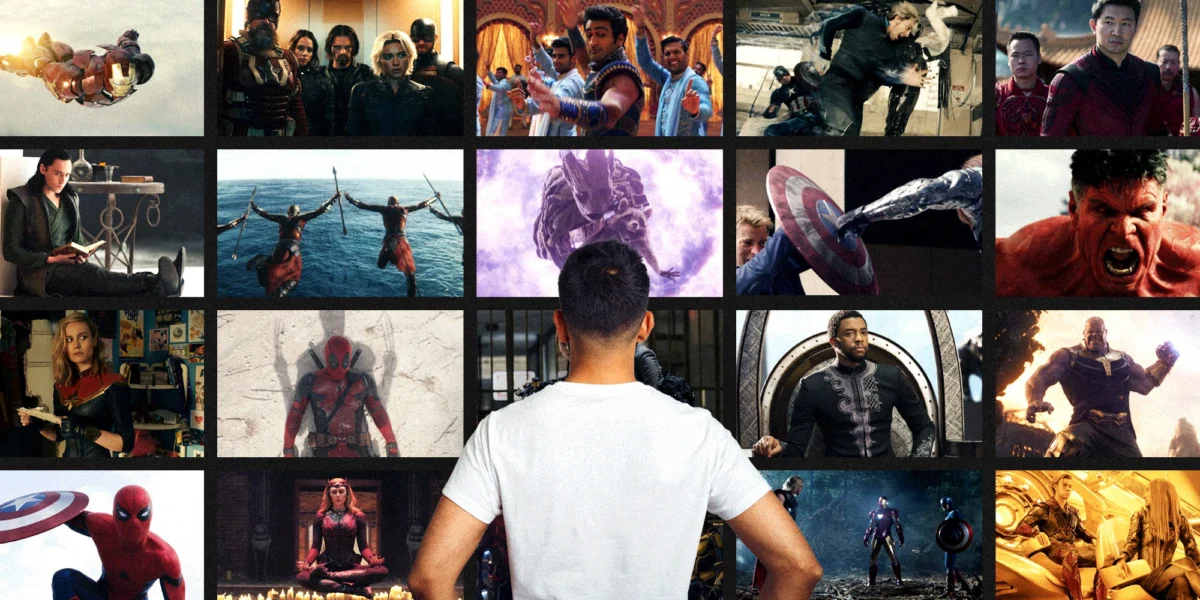
While chronological timelines offer a unique perspective for repeat viewers, the Marvel Cinematic Universe is architecturally designed for release-order viewing to preserve the narrative integrity of its world-building and character reveals. This approach ensures that every bit of foreshadowing, every post-credit tease, and every character introduction lands with the specific emotional and intellectual impact intended by the filmmakers.
Navigating the Marvel Cinematic Universe (MCU) has become a monumental task for both long-term fans and newcomers alike. Since its inception in 2008, the franchise has expanded into a sprawling tapestry of nearly 40 feature films and numerous high-budget streaming series. The sheer volume of content—now spanning nearly two decades of production—has led to a recurring debate: should the saga be watched in the order the events occur (chronological order) or the order they were released to the public? While chronological viewing provides a historical perspective of the universe, it often undermines the carefully placed "easter eggs" and narrative payoffs that define the Marvel experience. By adhering to the release order, viewers witness the organic evolution of a cinematic experiment that changed the landscape of modern entertainment.
Phase 1: The Foundation of an Empire
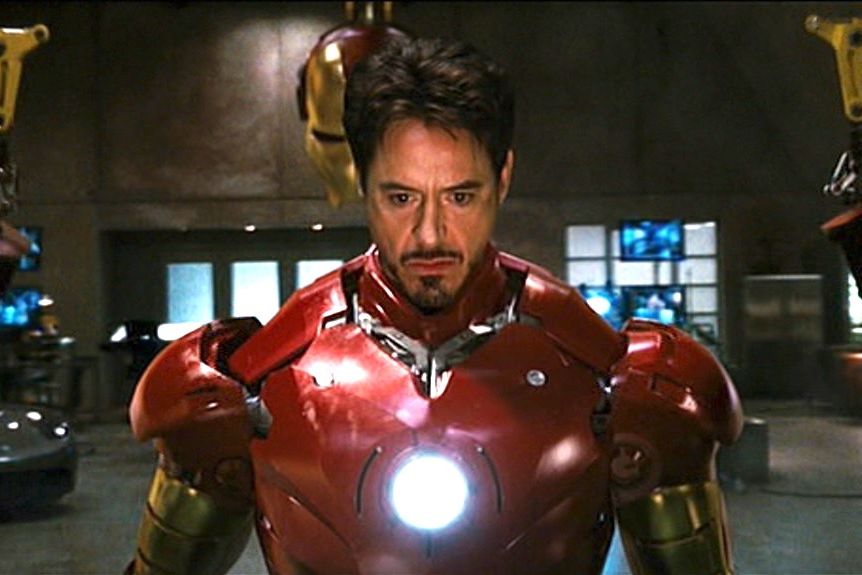
The journey begins with 2008’s Iron Man. While characters like Captain America existed earlier in the internal timeline, Iron Man is the essential starting point because it established the MCU’s tonal DNA. Robert Downey Jr.’s portrayal of Tony Stark—a snarky, billionaire arms dealer—served as the anchor for the entire franchise. More importantly, the film introduced the concept of the post-credits scene, a "tease for the ages" that promised a larger world.

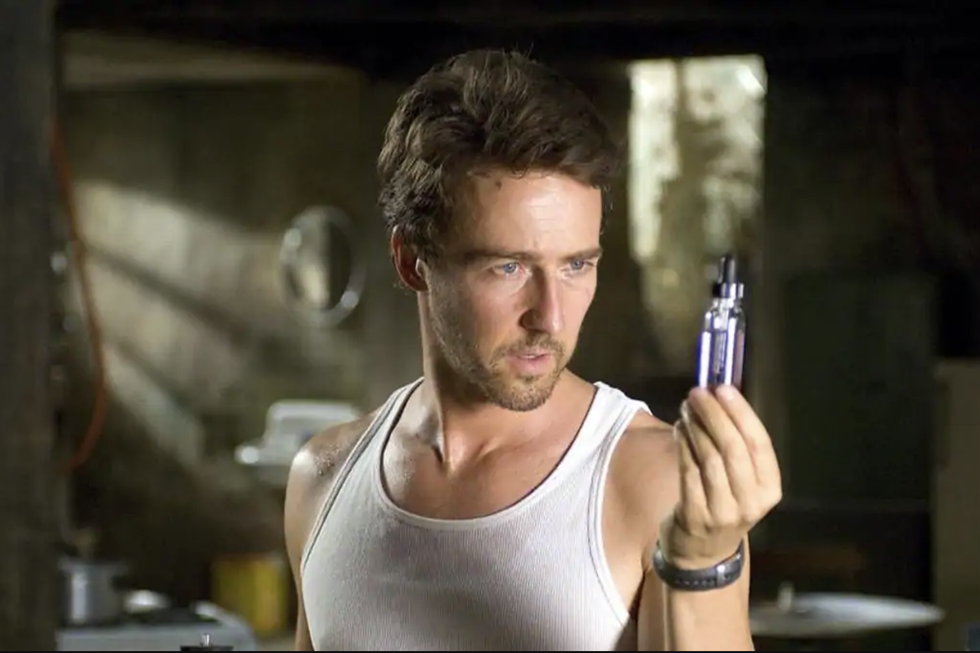
Following Iron Man, the franchise experienced some early growing pains. The Incredible Hulk (2008) remains a curious outlier, featuring Edward Norton as Bruce Banner before he was replaced by Mark Ruffalo. While some consider it skippable due to its loose threads, it remains the first time the audience saw the connective tissue of the universe through a fun cameo by Tony Stark. This was followed by Iron Man 2 (2010), which focused heavily on world-building by introducing Scarlett Johansson’s Black Widow and expanding Samuel L. Jackson’s role as Nick Fury.
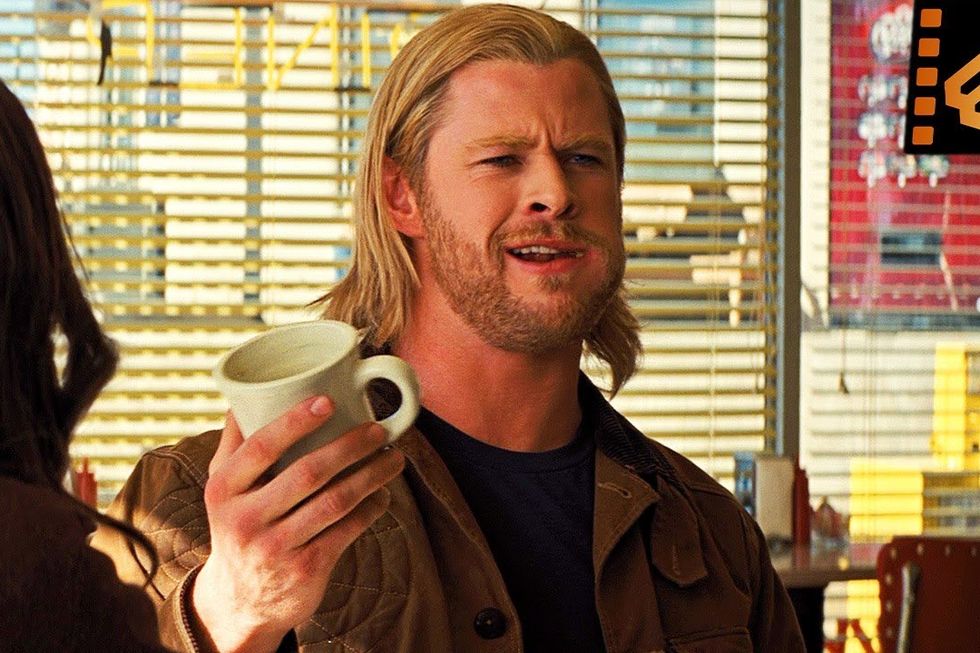
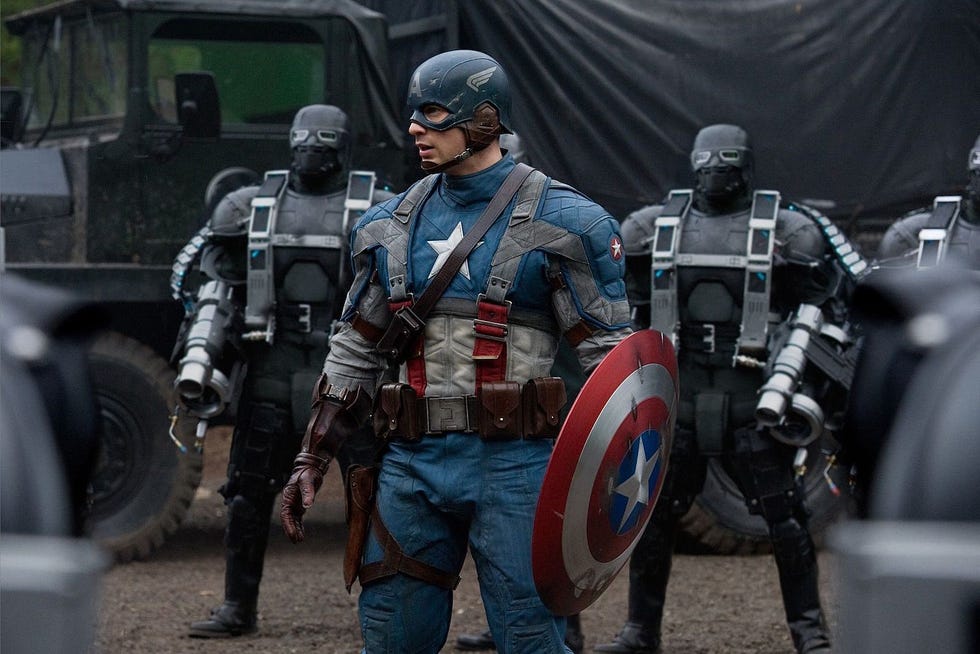
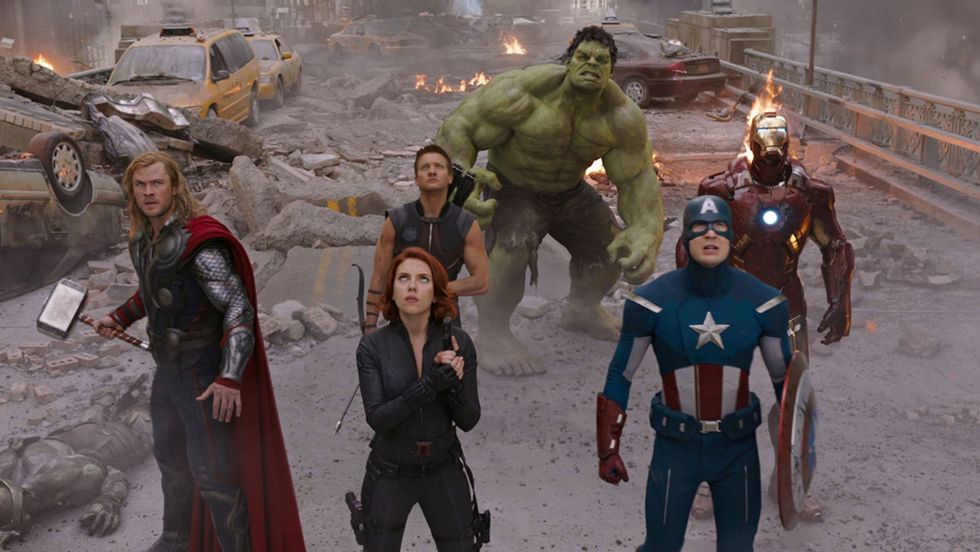
The universe expanded further with Thor (2011) and Captain America: The First Avenger (2011). These films introduced the remaining core pillars of the original team. Thor brought a Shakespearean, cosmic energy and introduced the franchise’s most enduring villain, Loki, played by Tom Hiddleston. The First Avenger provided the heart of the series, showing the origins of Steve Rogers in World War II. Watching these in release order allows the final moment of Captain America—Steve waking up in modern-day New York—to lead directly into the first major payoff: The Avengers (2012). This film was a landmark cinematic event, proving that a multi-franchise crossover could achieve both critical and commercial success.
Phase 2: Trauma and Expansion
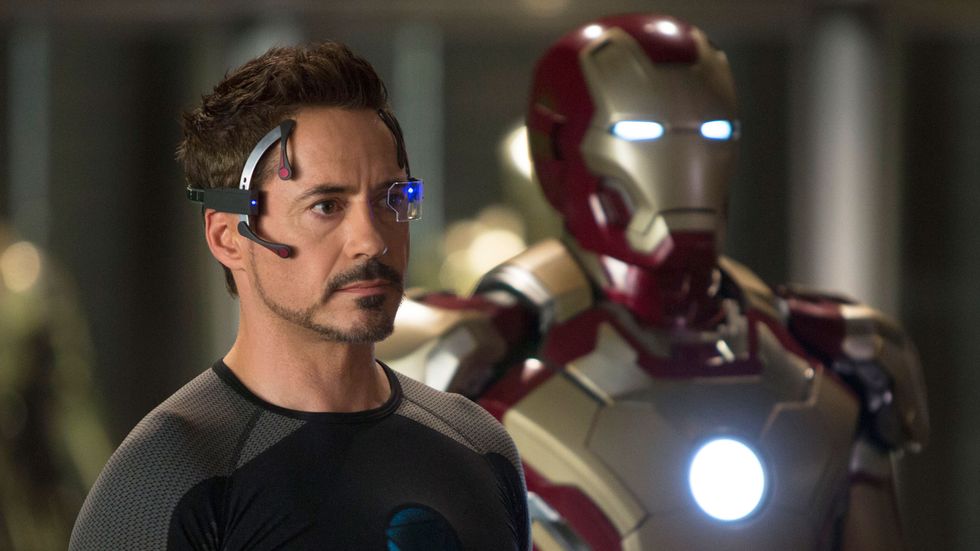
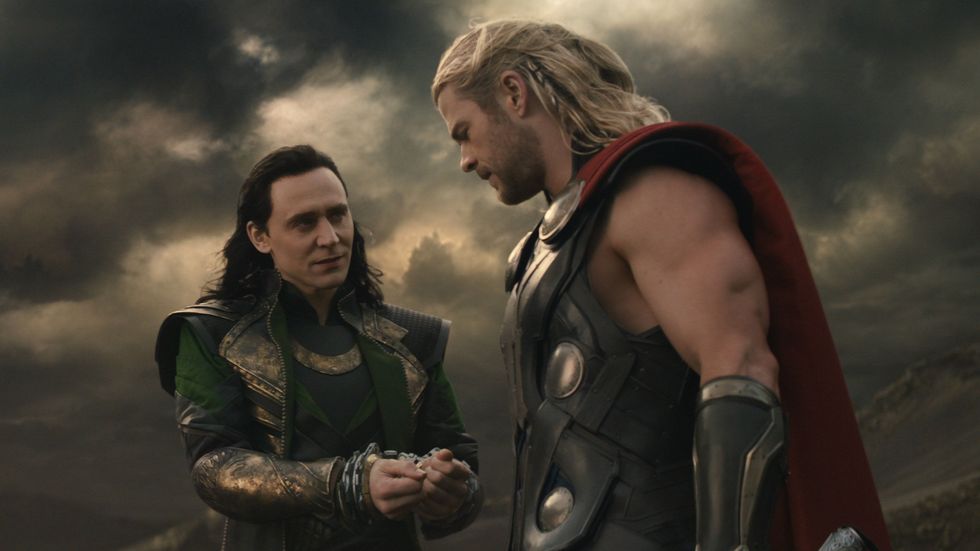
Following the Battle of New York, the MCU entered Phase 2, which focused heavily on the aftermath of The Avengers. Iron Man 3 (2013) took a surprisingly grounded approach, exploring Tony Stark’s PTSD. Thor: The Dark World (2013), while often criticized for its lackluster villain, was vital for expanding the lore of the Infinity Stones.
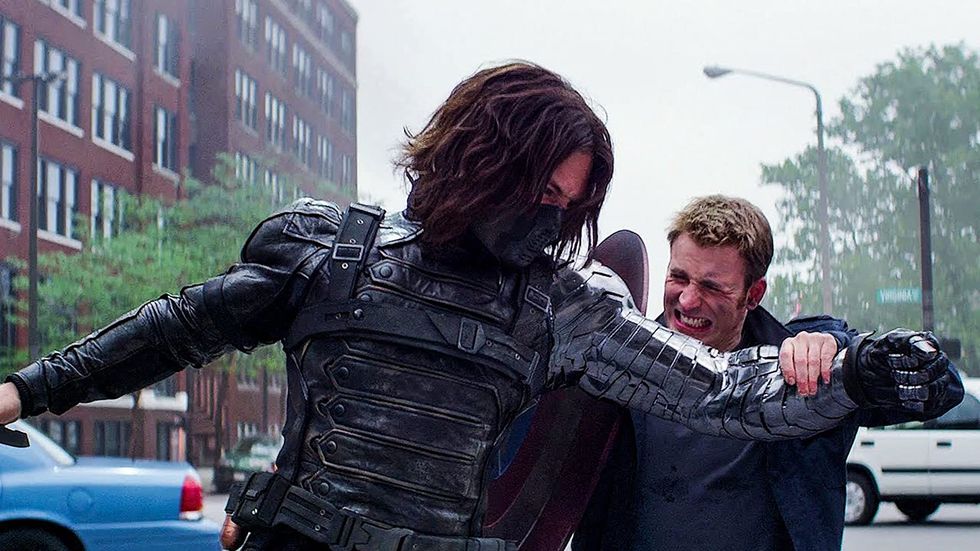
The real shift in quality and tone came with Captain America: The Winter Soldier (2014). Directed by the Russo Brothers, this film pivoted the MCU into the realm of political espionage. It is often cited as the best film in the series, and it serves as the strongest argument for release-order viewing. It features a brief mention of Stephen Strange—a character who wouldn’t get his own film for another two years. In a chronological watch, this foreshadowing is lost.
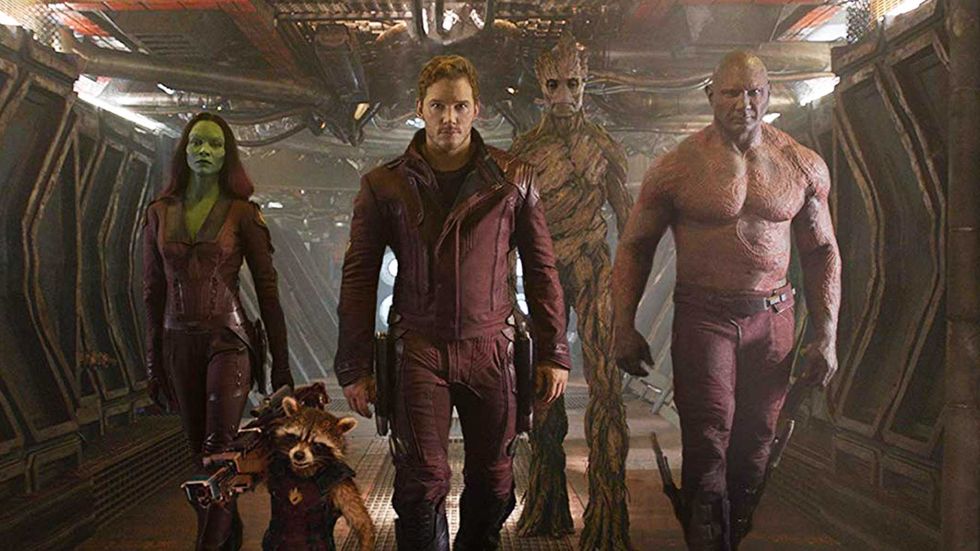
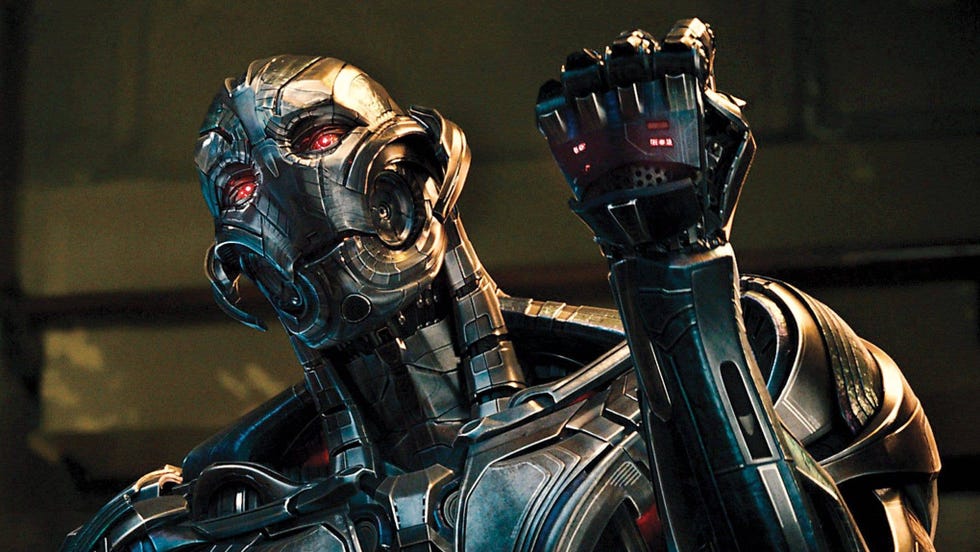
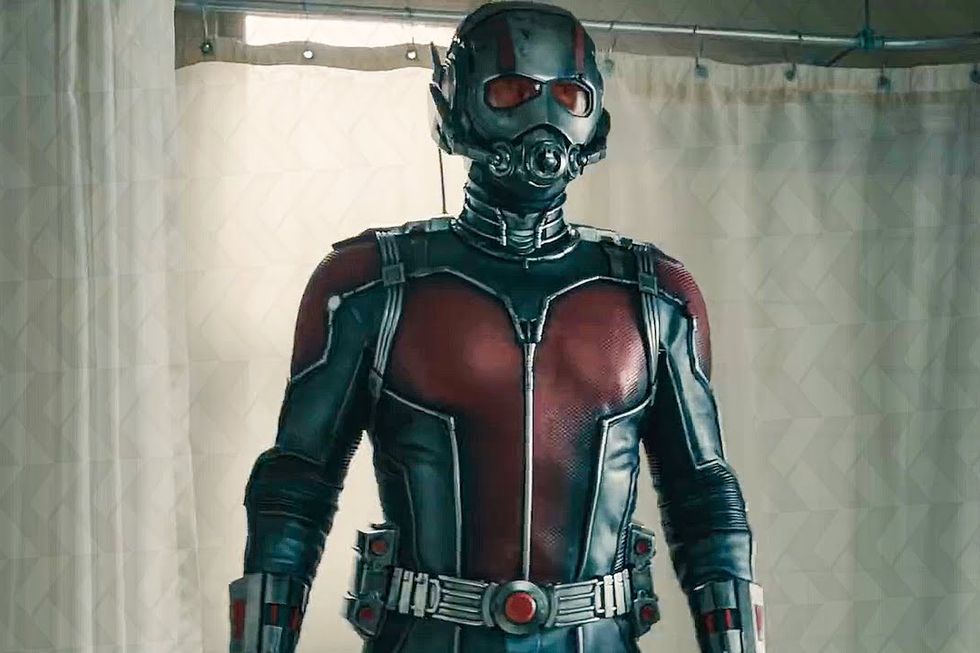
Phase 2 also introduced the cosmic side of the universe with James Gunn’s Guardians of the Galaxy (2014). This film proved that Marvel could turn obscure comic characters into household names through humor and a stellar soundtrack. The phase concluded with the ensemble-heavy Avengers: Age of Ultron (2015), which introduced Wanda Maximoff and Vision, and the smaller-scale heist fun of Ant-Man (2015).
Phase 3: The Infinity Saga Finale
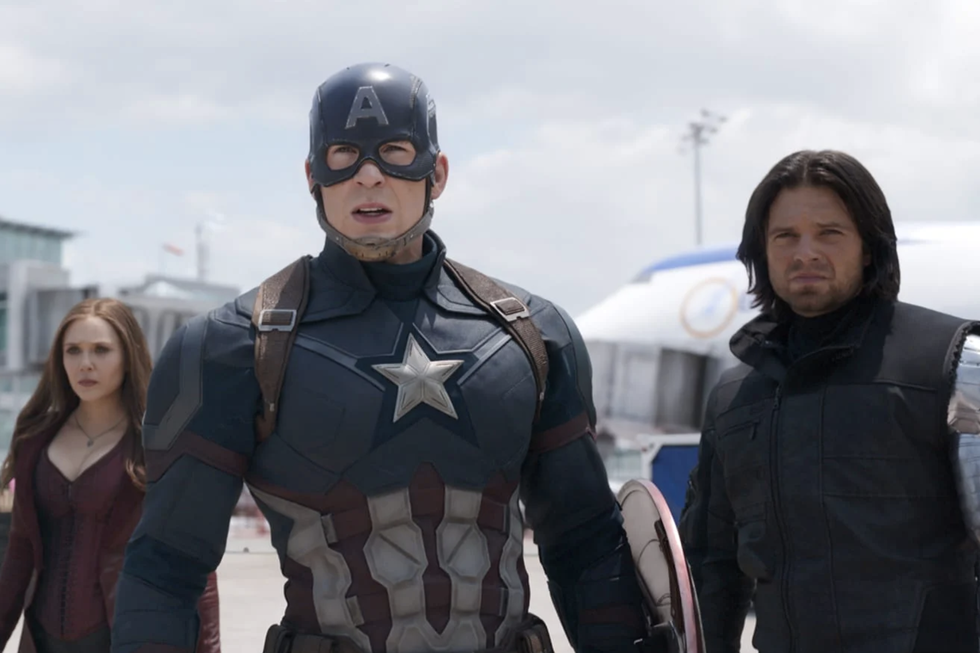
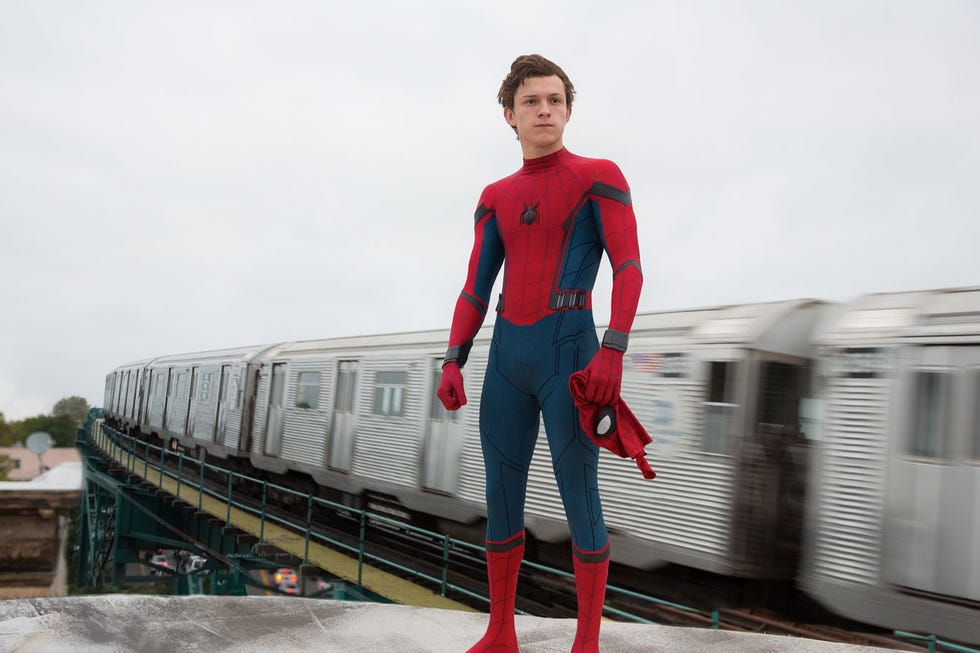
Phase 3 was the most ambitious era of the franchise, consisting of 11 films that led to a global cultural phenomenon. It kicked off with Captain America: Civil War (2016), which functioned as a "mini-Avengers" movie and introduced Tom Holland’s Spider-Man and Chadwick Boseman’s Black Panther.
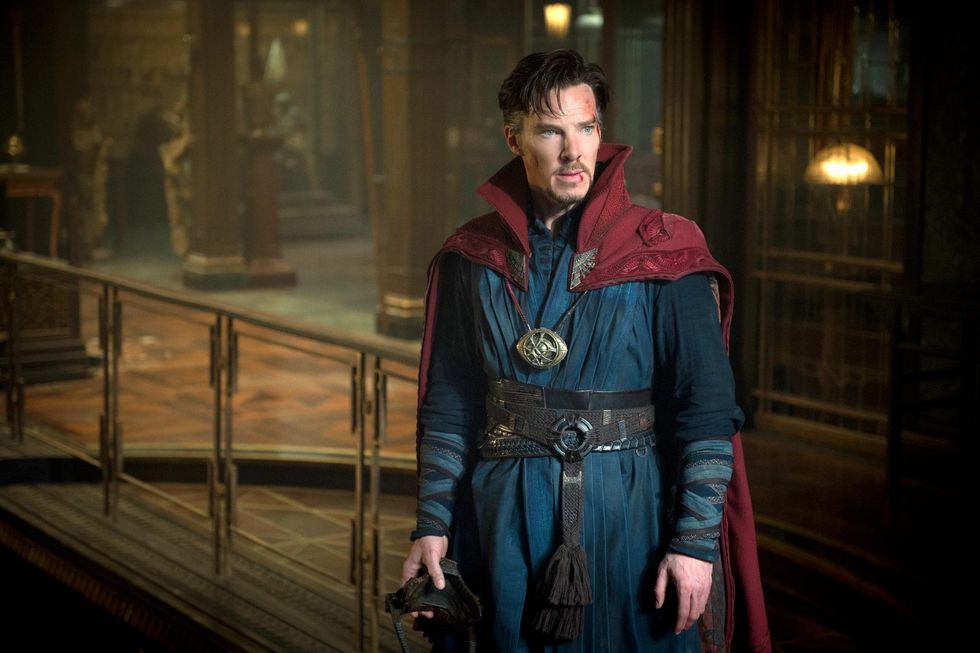
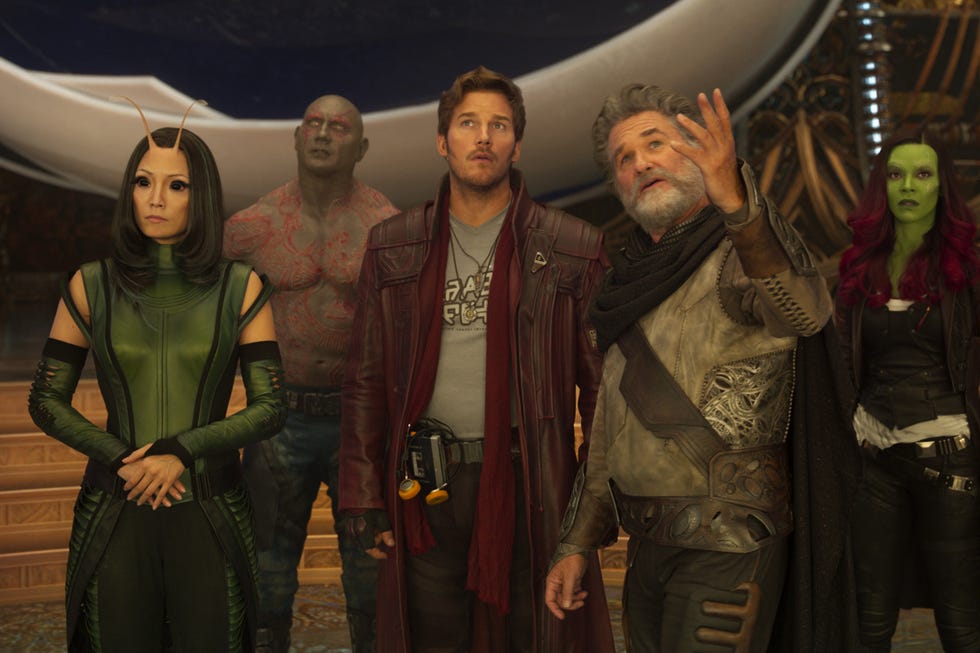
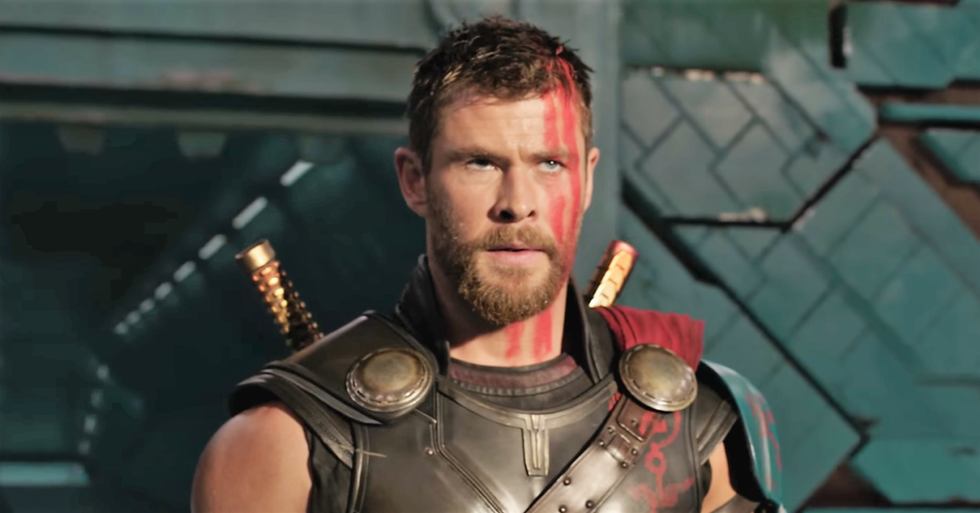
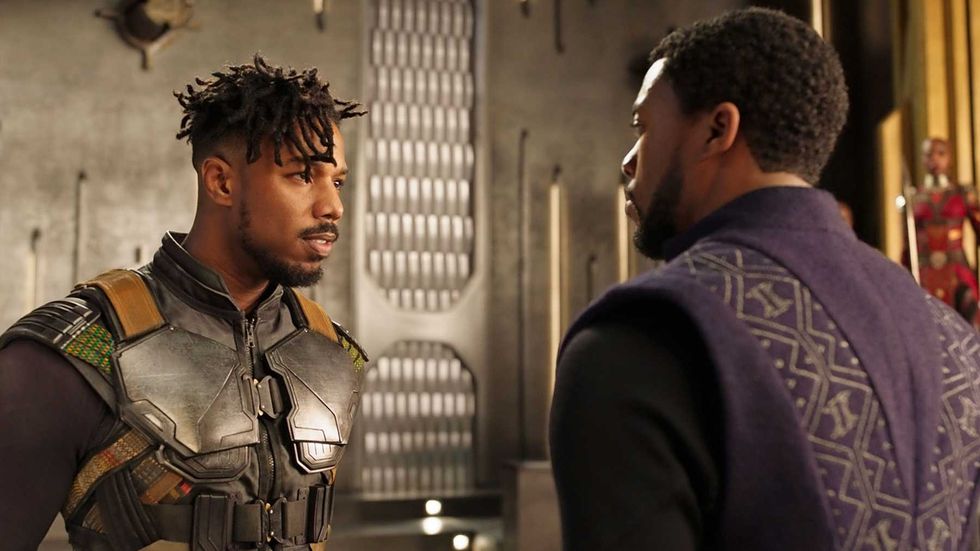
This era was defined by its diversity of genres. Doctor Strange (2016) brought magic and psychedelic visuals; Guardians of the Galaxy Vol. 2 (2017) explored familial trauma; and Thor: Ragnarok (2017) reinvented its titular character through the comedic lens of director Taika Waititi. Black Panther (2018) became a cultural milestone, earning an Academy Award nomination for Best Picture and showcasing the visionary world-building of Ryan Coogler.
The climax of this decade-long narrative arrived with Avengers: Infinity War (2018) and Avengers: Endgame (2019). These films represented a level of narrative planning never before seen in cinema. Thanos, a villain first teased in 2012, finally took center stage in a story that managed to balance dozens of characters and wrap up the "Infinity Saga" in a way that felt both epic and earned. Phase 3 concluded with Spider-Man: Far From Home (2019), which served as an emotional epilogue to the loss of Tony Stark.
Phase 4 and 5: The Multiverse and the Small Screen
With the launch of Disney+, the MCU expanded into streaming television, beginning with the experimental WandaVision (2021). This series used the history of American sitcoms to explore Wanda Maximoff’s grief, proving that the MCU could thrive in a long-form format. This was followed by The Falcon and the Winter Soldier (2021), which saw Sam Wilson grapple with the legacy of the Captain America shield, and Loki (2021), which introduced the concept of the Time Variance Authority (TVA) and the Multiverse.
On the film side, Phase 4 dealt with the transition to a new generation of heroes. Black Widow (2021) provided a long-overdue solo story for Natasha Romanoff, while Shang-Chi and the Legend of the Ten Rings (2021) introduced a new powerhouse hero in Simu Liu. The Multiverse became the central theme with Spider-Man: No Way Home (2021), a film that brought back legacy characters from previous Sony franchises, and Doctor Strange in the Multiverse of Madness (2022), which featured the distinct horror-tinged style of director Sam Raimi.
The franchise continued to experiment with tone through the meta-legal comedy of She-Hulk: Attorney at Law (2022) and the classic horror tribute Werewolf by Night (2022). Black Panther: Wakanda Forever (2022) served as a somber, mature tribute to the late Chadwick Boseman, while Guardians of the Galaxy Vol. 3 (2023) provided a heart-wrenching conclusion to James Gunn’s trilogy.
The Modern Era and Future Horizons (2024–2026)
As the MCU enters its most recent chapters, the focus has shifted toward integrating previously separate franchises and refining its television output. Deadpool & Wolverine (2024) finally brought Ryan Reynolds’ "Merc with a Mouth" into the proper MCU, using the Fox-era X-Men legacy as a backdrop for a violent, humorous exploration of two iconic characters. This was followed by the critically acclaimed Agatha All Along (2024), a sequel to WandaVision that leaned into witchy mythology and episodic storytelling.
Looking toward 2025 and 2026, the franchise is returning to its ground-level roots while also preparing for the next ensemble event. Captain America: Brave New World (2025) will see Sam Wilson facing a new global status quo, drawing on plot points from The Incredible Hulk and Eternals. Television will see the return of Charlie Cox in Daredevil: Born Again (2025), a gritty, New York-based series that continues the legacy of the fan-favorite Netflix show.
The ensemble film *Thunderbolts* (2025) promises to be a "breath of fresh air," bringing together a group of anti-heroes and misfits, including Florence Pugh’s Yelena Belova and Sebastian Stan’s Bucky Barnes. Meanwhile, The Fantastic Four: First Steps* (2025) will finally bring Marvel’s "First Family" into the fold, played by a star-studded cast including Pedro Pascal and Vanessa Kirby.
The roadmap extends into 2026 with Wonder Man, featuring Yahya Abdul-Mateen II in a satirical look at the superhero industry, and the highly anticipated Spider-Man: Brand New Day. The latter, directed by Destin Daniel Cretton, will find Peter Parker navigating a world where his identity is a secret once more, potentially crossing paths with Jon Bernthal’s Punisher.
Reaching the end of this nearly 40-film journey is a significant feat. While the timeline may jump between decades and dimensions, the release order provides the only true way to experience the growth of this cinematic universe as it happened. For those who have reached the current finish line, the wait for Avengers: Doomsday begins—but with nearly 20 years of history to revisit, the MCU remains a world that always offers something new to discover.
