
"We have zero tolerance for violence of any kind," states Henry Ford Health spokesperson Dana Jay, yet the reality for healthcare workers like Nurse Crystal Dhooghe paints a starkly different picture. The epidemic of violence against medical professionals, fueled by understaffing and inadequate safety measures, is driving strikes and demanding urgent systemic change.
Nurse Crystal Dhooghe, accustomed to the chaos of an emergency room, found herself increasingly confronting a disturbing trend: violence directed at her colleagues. "I’ve seen nurses get shoved, pushed, scratched. The biggest one is bitten," Dhooghe recounted, speaking from the picket line at Henry Ford Genesys Hospital in Grand Blanc, Michigan. Her experience is not isolated. The pervasive nature of workplace violence within the healthcare sector has become a significant catalyst for labor actions across the United States, leading to strikes in states such as Louisiana, New York, Pennsylvania, Rhode Island, and Michigan. Dhooghe, along with many of her fellow nurses, has been on strike since Labor Day of the previous year, subsisting on strike benefits and sporadic shifts at other facilities, only to find the same issues plaguing other institutions. "It’s the same everywhere I go," she lamented, highlighting the systemic nature of the problem.
The Bureau of Labor Statistics’ most recent data underscores the severity of this issue, revealing that hospital workers are seven times more likely to sustain injuries from violent acts on the job compared to the general working population. This alarming statistic has ignited widespread concern and advocacy, pitting healthcare workers’ demands for fair compensation and adequate staffing against the financial pressures faced by hospital administrators striving to control costs. The conflict between these priorities creates a volatile environment, often described as a "powder keg," where patient outbursts, known as "code grays," have become disturbingly commonplace. These unpredictable incidents, while sometimes unavoidable, are exacerbated by understaffing and insufficient employee training, as highlighted by Rachel Odes, an assistant professor at the University of Wisconsin-Madison School of Nursing.
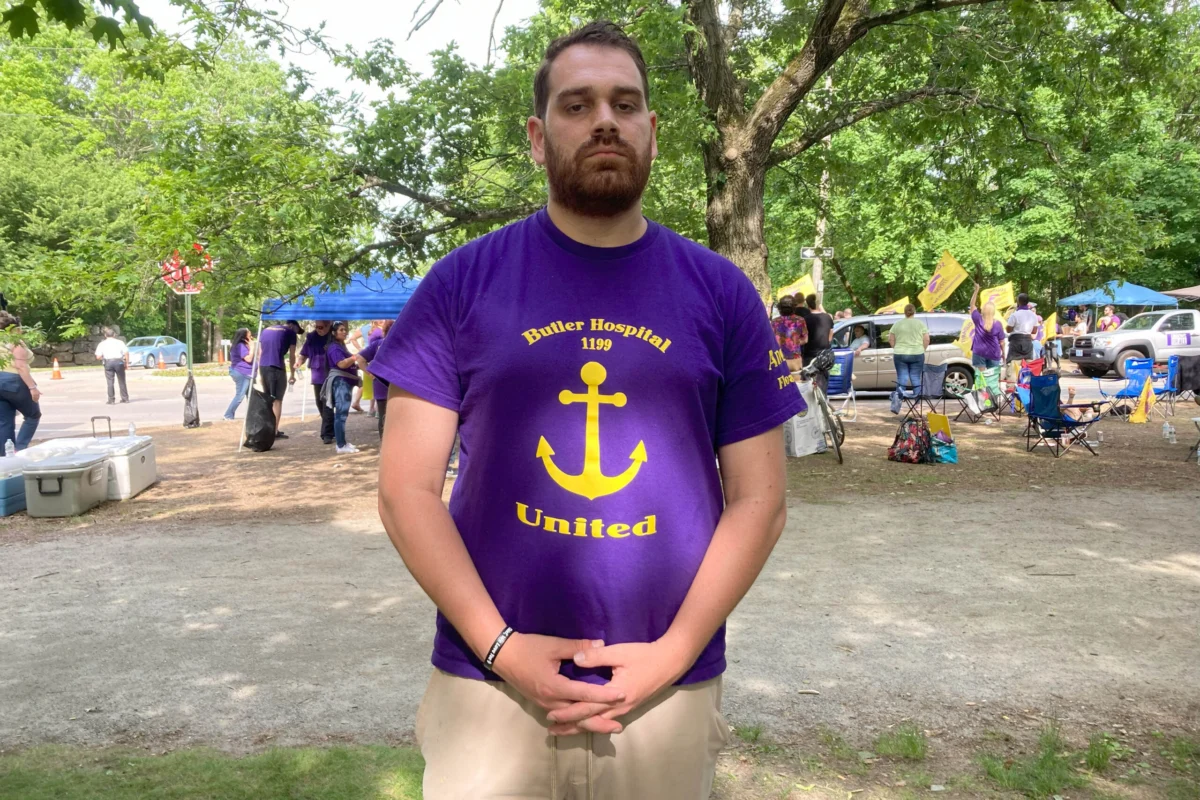
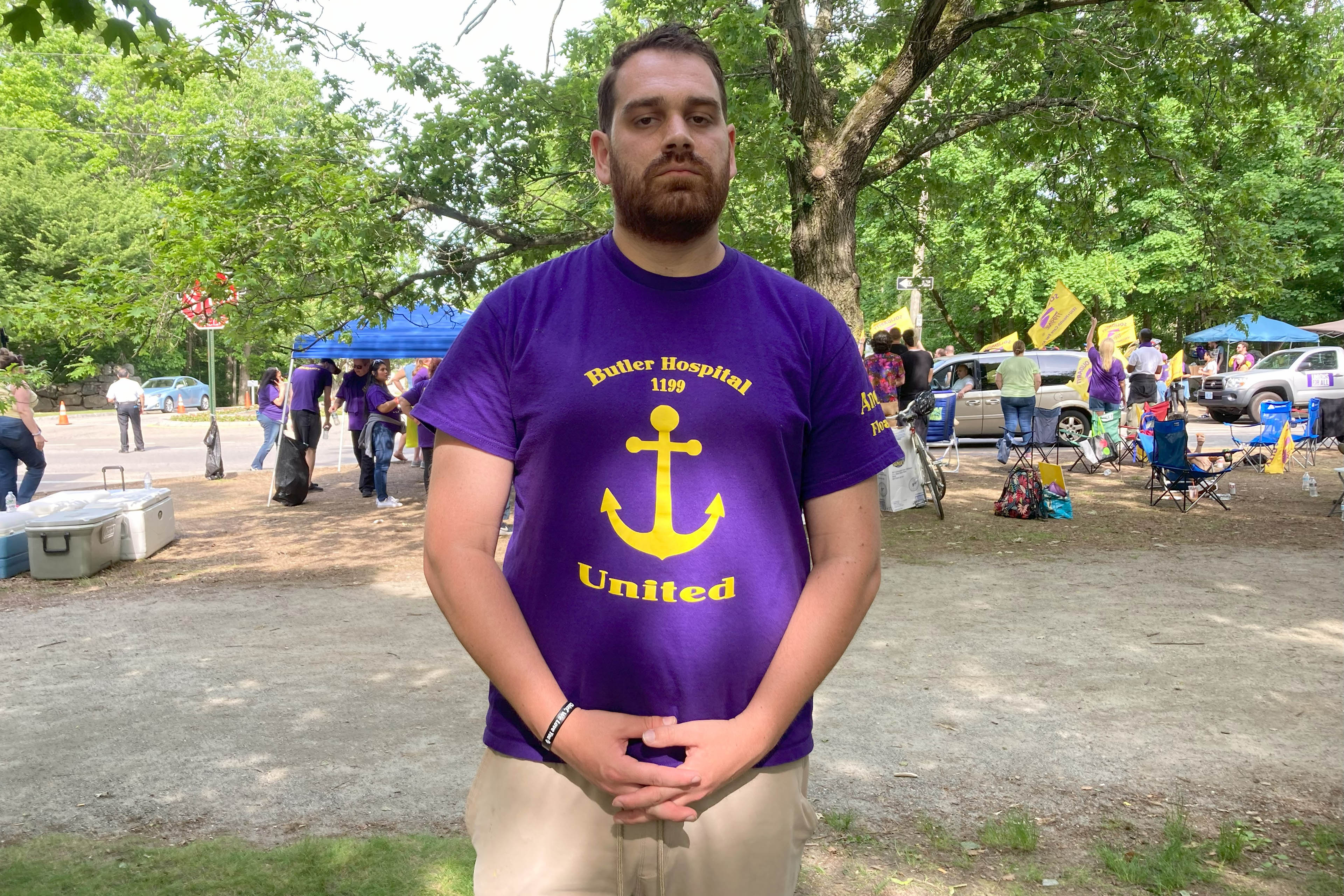
Andrew Kimball-Mirzaie, a mental health worker at Butler Hospital in Providence, Rhode Island, experienced this reality firsthand in February 2024. While on duty to monitor a young patient awaiting an inpatient bed, Kimball-Mirzaie was unexpectedly assaulted, suffering a concussion and a broken nose. His injuries, meticulously documented in the hospital’s incident log, were a direct consequence of what he describes as inadequate staffing and insufficient training for the unit. "I understand that there is an inherent danger with the job," he stated, emphasizing that his grievance was not with the ill patient, but with the systemic failures. "We should have had at least another staff member with us, and I should have been adequately trained on the unit."
This assault galvanized Kimball-Mirzaie and approximately 700 other unionized Butler workers to embark on a months-long strike in the spring and summer of 2025. The prolonged labor action forced the hospital to temporarily close nearly half of its beds, ultimately resulting in a contract agreement that included wage increases aimed at improving staff recruitment and retention, as well as financial support for employees injured on the job. The agreement also established a joint "time bank" to provide supplemental compensation for injured workers needing extended recovery periods. However, the persistent threat of violence was starkly illustrated just five months later when a nurse supervisor at Butler had to call 911 following an assault on staff by an unarmed patient in the emergency department. The incident report detailed injuries to two nurses, a security guard, and a responding police officer. In response, Mary Marran, Butler’s president and chief operating officer, issued a statement affirming the hospital’s commitment to proactive safety measures and regular staff consultations to strengthen protections. The patient in this incident faced charges of felony assault, including against the two nurses.
In an effort to combat this escalating violence, the American Hospital Association has been actively lobbying Congress to establish assaulting healthcare workers as a federal crime, carrying penalties of up to 10 years in prison. This legislative push aligns with similar laws already enacted in at least 45 states, including Michigan and Rhode Island. Nevertheless, workplace safety experts express skepticism about the efficacy of punitive measures alone, citing a lack of evidence that such laws have demonstrably reduced the incidence of violence against healthcare professionals.
The core of the dispute for many striking healthcare workers revolves around the demand for "safe staffing" rather than solely relying on harsher penalties for perpetrators. This call for adequate staffing levels has gained traction with the Joint Commission, the accreditation body for a vast majority of U.S. hospitals. In January, the commission implemented new national performance goals mandating that hospitals maintain appropriate staffing levels and ensure staff are trained to deliver safe and effective care.
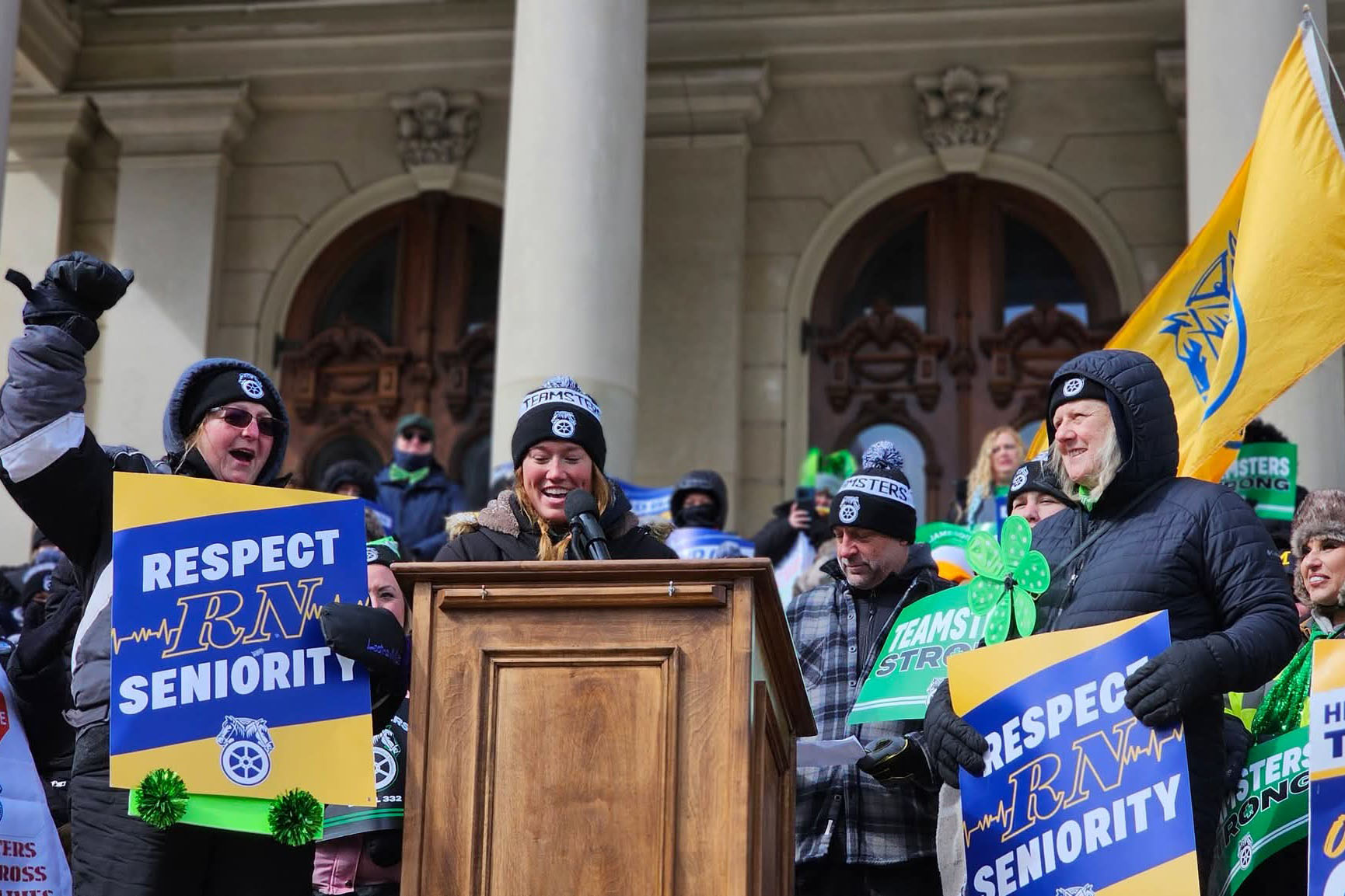
Despite these developments, a significant gap remains. There is no federal legislation in place that caps the number of patients a nurse can care for across different healthcare settings. National Nurses United, the nation’s largest nurses union, has been advocating for a national staffing standard since 2018, arguing that sufficient staffing enables nurses to provide necessary care before patients become agitated or disoriented. "Hospitals must safely staff all units to enable nurses to provide the care that patients need before they get agitated or disoriented," stated Jane Thomason, lead industrial hygienist for National Nurses United.
A few states have taken legislative action. California, for instance, has implemented broad mandatory nurse staffing ratios, which research suggests are linked to reduced mortality rates and improved staff retention. Oregon has also enacted a staffing law, albeit with certain exceptions. Efforts to introduce similar legislation in Massachusetts and New Jersey have, thus far, failed to progress. The American Hospital Association, however, opposes mandatory minimum nurse staffing ratios, contending that they would undermine clinical judgment, exacerbate staffing shortages, and potentially lead to delayed care or patient diversions. They point to California’s new emergency nurse staffing ratios for psychiatric hospitals, which have reportedly resulted in bed closures in several counties.
Jordan Barab, a former deputy assistant secretary of labor for OSHA, suggests alternative strategies beyond increased staffing. He advocates for comprehensive de-escalation training, the installation of metal detectors, and the presence of specially trained security personnel to ensure immediate response during incidents. "There are a lot of other things you can do to prevent workplace violence than just increasing staffing levels," Barab remarked.
Debbie Berkowitz, a worker safety and health policy expert at Georgetown University, warns that proposed budget cuts in healthcare funding could disproportionately impact worker protections. She predicts that as financial resources dwindle, "protecting workers is going to be the first thing that gets cut," exacerbating an already precarious situation for healthcare professionals on the front lines.
