
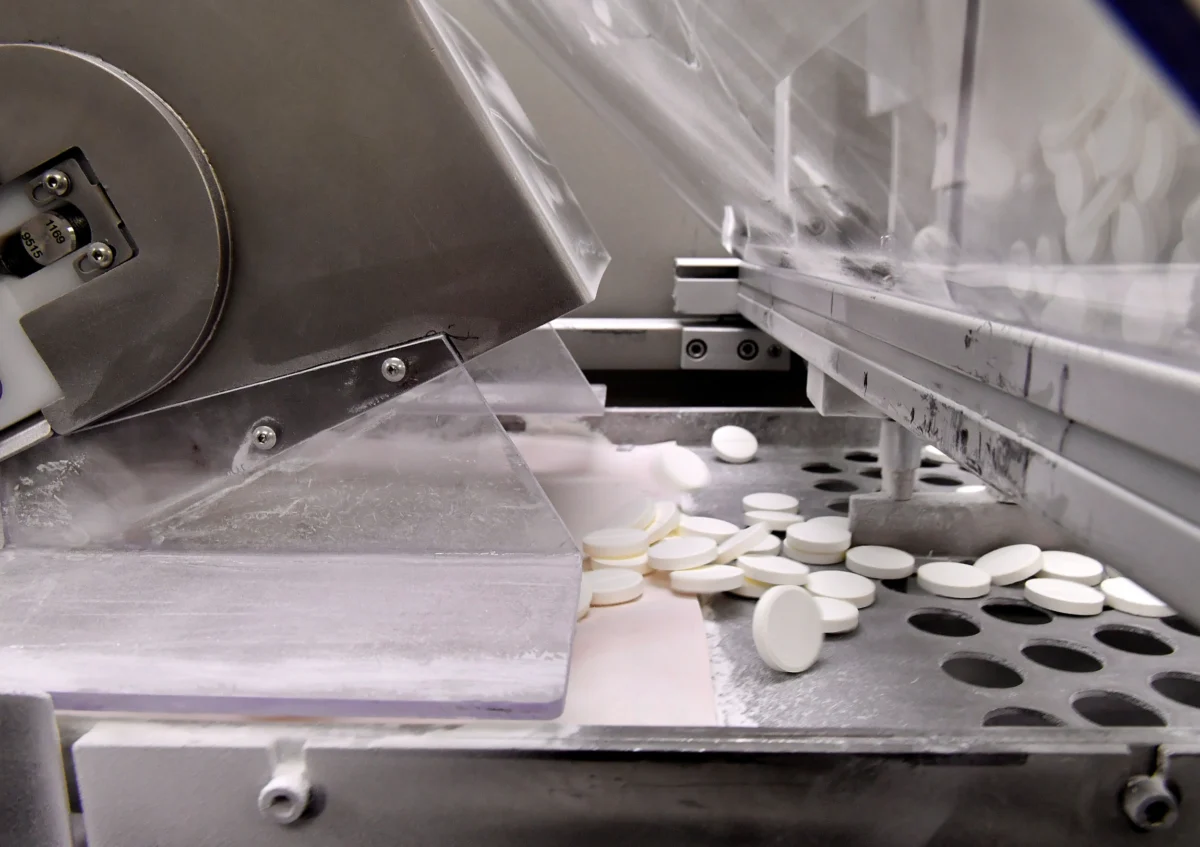
"A significant recall of over 112,000 bottles of Amazon Basic Care Extra Strength Acetaminophen due to discolored tablets marks the second such incident linked to Aurobindo Pharma USA in under two years, prompting renewed scrutiny of the widely used pain reliever’s manufacturing and quality control."
This substantial recall underscores a growing concern regarding the consistency and safety of over-the-counter medications distributed by major online retailers. The presence of discolored tablets in Amazon Basic Care Extra Strength Acetaminophen, a product readily accessible to millions, necessitates a thorough examination of the manufacturing processes and quality assurance protocols employed by Aurobindo Pharma USA, the company behind the affected product. The recurrence of this issue, particularly within a relatively short timeframe, raises questions about the effectiveness of corrective actions taken after the previous recall and highlights the potential risks consumers may face when relying on medications with compromised visual integrity.
Amazon Basic Care Acetaminophen Faces Second Discoloration Recall Amidst Quality Concerns
In a significant public health alert, Amazon has initiated a recall of 112,932 bottles of its Amazon Basic Care Extra Strength Acetaminophen, a widely used over-the-counter pain reliever. The recall, which began on September 18, 2026, stems from consumer complaints reporting discolored tablets. This incident is particularly noteworthy as it represents the second recall of Amazon-labeled acetaminophen due to discoloration linked to Aurobindo Pharma USA, Inc. within approximately 16 months.
The current recall encompasses 500-milligram caplets available in 200-, 500-, and 1,000-count bottles. While no adverse health events have been reported in connection with this specific recall, the underlying cause of the discoloration has not been publicly disclosed. The affected lots and their corresponding expiration dates are critical information for consumers to identify potentially compromised products. Amazon has reportedly reached out to affected customers to inform them of the recall.
This latest action follows a similar recall in May 2025, when Aurobindo Pharma USA recalled 4,608 bottles of Amazon-labeled 325-milligram acetaminophen tablets. The reason cited at that time was also "tablet discoloration, specifically a brown surface observed on some tablets." This earlier recall was classified as a Class II recall by the U.S. Food and Drug Administration (FDA), indicating that the product might cause temporary or medically reversible adverse health effects, with the probability of serious harm being remote. The specific classification for the current, larger recall has not yet been publicly assigned by the FDA, leaving consumers and health professionals awaiting further guidance on the potential health risks.
A Deeper Look into the Recalled Products and Manufacturing
The products subject to the current recall include a substantial quantity of acetaminophen caplets. Specifically, 14,640 bottles containing 200 caplets each, 90,456 bottles of 500 caplets, and 7,836 bottles containing 1,000 caplets are affected. The manufacturing origin of these tablets is India, and their distribution across the United States was handled by Amazon.com Services LLC.
In a statement to USA Today, Amazon emphasized that the recall was conducted in "coordination with the manufacturer, Aurohealth, and the FDA." AuroHealth is identified as a U.S. subsidiary of Aurobindo Pharma USA, specializing in the sale of over-the-counter pharmaceutical products. This collaborative approach is standard procedure for product recalls, aiming to ensure prompt action and consumer safety.
The comparison between the two recalls reveals some key differences. The May 2025 recall involved a different product formulation: regular-strength 325-milligram tablets in smaller, 100-count bottles, and was linked to a single lot. The reason provided for that recall was a "deviation from current good manufacturing practices." The current recall, however, involves extra-strength 500-milligram caplets in larger bottle sizes and a significantly higher volume of affected product.
The FDA’s classification system for recalls is designed to inform the public about the potential severity of a recalled product. A Class I recall signifies a reasonable probability that the use of or exposure to a violative product will cause serious adverse health consequences or death. A Class II recall, as in the 2025 incident, pertains to products that may cause temporary or medically reversible adverse health effects, or where the probability of serious adverse health effects is remote. The absence of an assigned classification for the current recall, as of mid-October 2026, suggests the FDA is still assessing the situation.
While two recalls do not automatically equate to definitive proof of unsafety, the repeated occurrence of discoloration issues linked to the same manufacturer raises pertinent questions. The lack of public explanation for the cause of the discoloration in either instance, and uncertainty regarding whether production changes were implemented after the 2025 recall, contribute to a climate of concern. Consumers are left to wonder about the root cause and the effectiveness of quality control measures in place.
Understanding Acetaminophen and Its Risks
Acetaminophen, also known as paracetamol, is one of the most widely used medications globally for pain relief and fever reduction. It is an active ingredient in numerous prescription and over-the-counter products, including those for colds, flu, and sleep. Its efficacy and general safety profile, when used as directed, have made it a staple in medicine cabinets. However, like all medications, it carries potential risks, particularly when misused.
The FDA’s acetaminophen safety guidance is unequivocal about the dangers of exceeding recommended doses. Taking too much acetaminophen can lead to severe liver damage, liver failure, and even death. This risk is compounded by several factors. For instance, many individuals may unknowingly consume multiple acetaminophen-containing products simultaneously, such as taking a pain reliever and a cold medicine that both contain acetaminophen. This unintentional overdose is a significant public health concern.
Furthermore, the interaction between acetaminophen and alcohol is a critical consideration. Consuming three or more alcoholic drinks a day while taking acetaminophen substantially increases the risk of liver damage. This is because both alcohol and acetaminophen are metabolized by the liver, and their combined burden can overwhelm the organ’s capacity to process them safely.
Consumer Guidance and Steps to Take
In light of the recall, consumers are strongly advised to take proactive steps to ensure their safety. The most immediate action is to identify whether the Amazon Basic Care Extra Strength Acetaminophen in their possession is part of the recalled lots. This involves carefully checking the lot number and expiration date printed on the bottle label and comparing it against the list of recalled products.
If a bottle matches the recalled information, consumers should immediately discontinue its use. It is crucial to avoid taking any tablets that exhibit unusual discoloration, spots, or appear different from their normal appearance, regardless of the brand. Consulting with a pharmacist can be helpful in confirming whether a pill looks as expected.
For individuals who rely on acetaminophen for managing chronic pain or recurring fever, the recall presents a need to switch to an alternative product or a different lot of the same product that is not affected. It is paramount to adhere strictly to the dosing instructions on the product label.
In the event of a suspected overdose or if someone has taken more than the recommended dose of acetaminophen, immediate medical attention is crucial. The Poison Help hotline at 1-800-222-1222 is a vital resource that can provide expert guidance. In cases of severe symptoms such as collapse, seizures, difficulty breathing, or unresponsiveness, calling 911 for emergency medical services is imperative.
Consumers also have a role to play in pharmacovigilance. The FDA’s MedWatch safety reporting program allows individuals to report problems with medications. This program is instrumental in identifying potential safety issues that might not be immediately apparent. When reporting an issue, retaining the original medication bottle and taking clear photographs of any unusual tablets can provide valuable evidence for the FDA’s investigation.
Key Questions Answered
- What is recalled? 112,932 bottles of Amazon Basic Care Extra Strength 500 mg acetaminophen caplets in 200-, 500-, and 1,000-count bottles are subject to this recall.
- Why is it recalled? The recall is initiated due to consumer complaints reporting discolored tablets. The specific cause of the discoloration has not yet been publicly disclosed.
- Has this happened before? Yes. In May 2025, Aurobindo Pharma USA recalled 4,608 bottles of Amazon-labeled 325 mg acetaminophen tablets for similar tablet discoloration issues.
- Has anyone been harmed? To date, no adverse health events have been reported in connection with this specific recall.
- What should consumers do? Consumers should check the lot numbers and expiration dates on their bottles. If the product is part of the recall, they should stop using it and contact Amazon customer service with any questions.
- When should someone seek help? For suspected acetaminophen overdose, contact Poison Help at 1-800-222-1222. For severe symptoms like collapse or difficulty breathing, call 911 immediately.
