
"Effective ketogenic dieting requires a strategic selection of high-fiber, non-starchy vegetables to ensure metabolic efficiency and prevent micronutrient deficiencies while maintaining the state of ketosis."
The ketogenic diet is defined by a rigorous metabolic shift, transitioning the body from a primary reliance on glucose to the utilization of ketone bodies derived from fat. While this high-fat, moderate-protein, and ultra-low-carbohydrate protocol is renowned for its efficacy in weight management and blood sugar stabilization, the restrictive nature of the diet often creates a nutritional paradox regarding vegetable consumption. Because vegetables are inherently composed of carbohydrates, practitioners must differentiate between starchy varieties that can trigger an insulin response and non-starchy, nutrient-dense options that provide essential fiber and phytonutrients without exceeding the typical 50-gram daily net carbohydrate threshold.
The Science of Ketosis and Vegetable Integration
To understand why certain vegetables are prioritized on a ketogenic plan, one must understand the concept of "net carbohydrates." This figure is calculated by subtracting the grams of dietary fiber from the total carbohydrate count. Because fiber is a non-digestible carbohydrate that does not significantly impact blood glucose levels, it is excluded from the tally that determines whether a person remains in ketosis. Non-starchy vegetables are the ideal vehicle for this macronutrient profile; they are characterized by high water content, high fiber, and a low caloric density.
According to Susan Greeley, MS, RDN, an instructor at the Institute of Culinary Education, these high-water-content vegetables allow individuals to achieve satiety and ingest vital antioxidants without "overdoing" their carbohydrate limits. The inclusion of these plants is not merely a culinary preference but a physiological necessity. A diet consisting solely of animal fats and proteins lacks the prebiotic fiber required to sustain a healthy gut microbiome and the diverse array of vitamins necessary for cellular function.
The Powerhouse Greens: Leafy and Peppery Varieties
Leafy greens represent the most "keto-safe" category of produce due to their negligible carbohydrate impact and high micronutrient density.
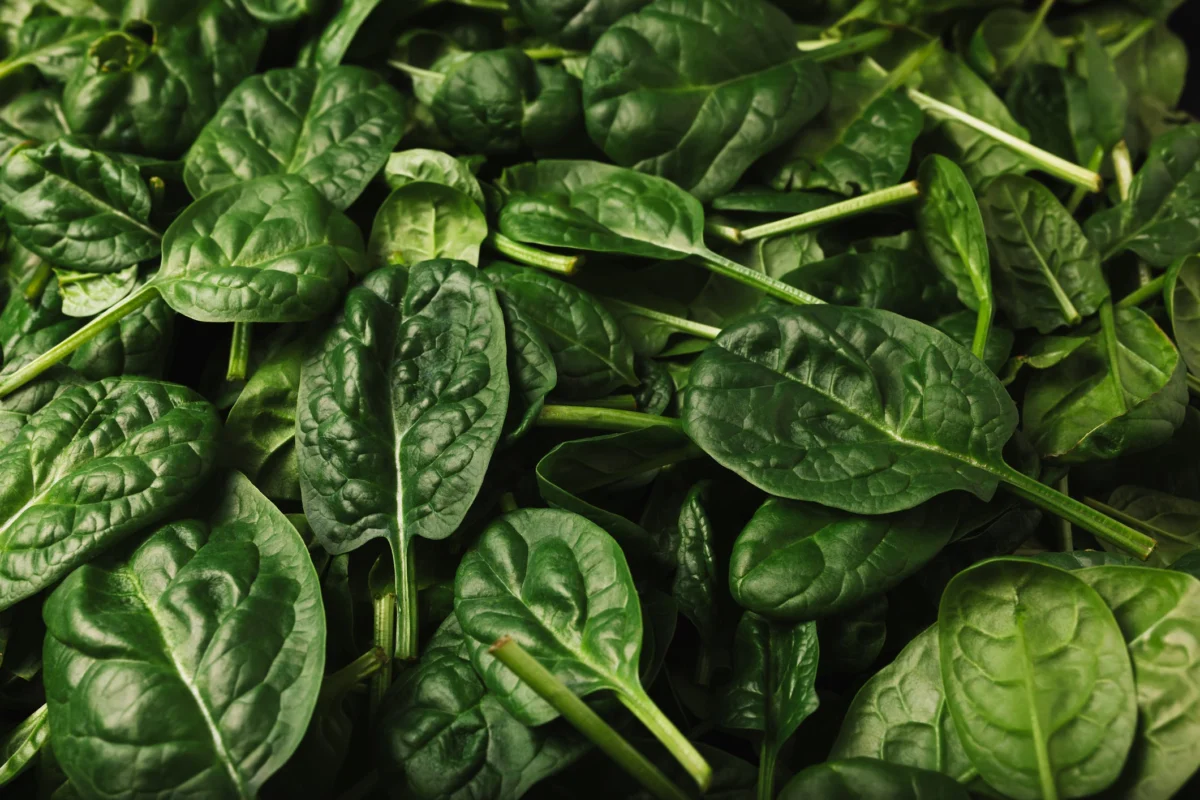
Spinach and Kale: Often termed "supergreens," these two are staples of the ketogenic pantry. Spinach is exceptionally low in carbohydrates, containing only 2.5 grams of net carbs per cup, while providing significant amounts of Vitamin A, Vitamin C, calcium, and iron. Kale, though slightly higher at 3.4 grams of net carbs per cup, offers a rare plant-based protein boost (3 grams per cup) and is a primary source of Vitamin K, which is essential for bone health and blood coagulation.
Arugula and Swiss Chard: Arugula provides a peppery flavor profile and is a powerhouse of folate and magnesium. With only 0.4 grams of net carbs per cup, it is one of the most efficient ways to add volume to a meal. Swiss Chard, similar to kale, offers a robust texture and high fiber content, making it an excellent candidate for sautéing in healthy fats like olive oil or grass-fed butter.
Bok Choy: This Chinese cabbage is an underrated keto asset. One cup contains only 1.5 grams of carbohydrates and roughly 9 calories. It is rich in beta-carotene and Vitamin A, supporting immune function and skin health while providing a refreshing crunch in raw or stir-fried applications.

The Cruciferous Foundation: Structure and Satiety
Cruciferous vegetables are perhaps the most versatile tools for those looking to replicate high-carb textures, such as rice, mashed potatoes, or pasta.
Cauliflower and Broccoli: These two vegetables are functionally interchangeable in many keto recipes. Cauliflower, with 1.5 grams of net carbs per half-cup, is famous for its neutral flavor, allowing it to be transformed into "rice" or pizza crusts. Broccoli, slightly higher at 2 grams of net carbs per half-cup, provides a more substantial protein and fiber profile. Both are rich in sulforaphane, a compound studied for its potential anti-inflammatory and cancer-fighting properties.
Cabbage (Green and Red): Cabbage is a durable, low-cost vegetable that supports gut health. Green cabbage is excellent for slaws or sautés, while red cabbage offers higher concentrations of anthocyanins—antioxidants that give the vegetable its purple hue. Both varieties contain approximately 2 grams of net carbs per cup, making them highly "volume-friendly."
Brussels Sprouts: These small, cabbage-like buds are dense in prebiotics, which feed the beneficial bacteria in the digestive tract. While they are slightly more carb-dense than leafy greens (4 grams of net carbs per half-cup), they pair exceptionally well with keto-friendly fats like bacon or heavy cream.
Bok Choy: As a member of the cruciferous family, bok choy provides a unique blend of potassium and Vitamin A. Its high water content makes it an ideal choice for maintaining hydration, a common challenge during the early stages of ketosis.
Culinary Substitutes and Root Alternatives
One of the primary challenges of the ketogenic diet is the psychological craving for starches. Certain vegetables can bridge this gap through their unique textures.
Zucchini: Known primarily for its role in "zoodles" (zucchini noodles), this summer squash contains only 3 grams of net carbs per medium fruit. It is an excellent source of Vitamin C and Vitamin A and serves as a neutral base for high-fat sauces like pesto or alfredo.
Jicama: While most root vegetables (like potatoes and parsnips) are avoided on keto, jicama is an exception when consumed in moderation. Kayla Girgen, RD, notes its "crunch factor," which is often missing from low-carb diets. Raw jicama contains 5 grams of net carbs per half-cup and is rich in Vitamin C. It can also be sliced and baked into "fries" as a lower-carb alternative to potatoes.
Hearts of Palm: Often found canned or jarred, hearts of palm are increasingly used to create keto-friendly pasta and rice. With only 2 grams of net carbs per half-cup, they are a rich source of zinc, copper, and potassium.
Pumpkin: While often associated with sugary pies, pure pumpkin is surprisingly keto-friendly. Half a cup of pumpkin puree contains roughly 7 grams of net carbs and is a significant source of fiber. It is a valuable ingredient for those looking to create keto-compliant desserts or savory soups.
Functional Foods: Hydration and Electrolyte Support
The transition into ketosis often leads to "keto flu," a period of fatigue and headaches caused by the rapid loss of water and electrolytes. Specific vegetables can mitigate these symptoms.
Cucumber and Celery: Both vegetables are composed of over 95% water. Celery provides 1 gram of net carbs per stalk, while cucumbers offer about 4.36 grams per cup. Their high water and mineral content help maintain fluid balance.
Pickles: Fermented or brined pickles are a secret weapon for keto practitioners. The added salt helps replenish sodium levels that are depleted as the kidneys excrete water during the initial stages of carbohydrate restriction. Two dill spears typically contain less than 1 gram of net carbs, though it is vital to ensure no sugar was added to the pickling brine.
Asparagus and Bell Peppers: Asparagus is a diuretic that supports kidney health and provides 2 grams of net carbs per cup. Bell peppers, particularly the green variety, are packed with Vitamin C and potassium, which are essential for active individuals maintaining a ketogenic lifestyle.
Mushrooms: Although technically fungi, mushrooms are treated as vegetables in a culinary context. They are one of the few food sources of Vitamin D and provide a savory "umami" flavor that can replace the heartiness of grains in soups and stews. They are exceptionally low in net carbs and high in immunity-aiding compounds.
Conclusion: Strategic Integration for Longevity
The success of a ketogenic diet is not measured solely by the absence of carbohydrates, but by the presence of high-quality, nutrient-dense inputs. By focusing on non-starchy vegetables—particularly those in the leafy green and cruciferous families—individuals can bypass the common pitfalls of restrictive eating. These vegetables provide the fiber necessary for digestive regularity, the antioxidants required for cellular protection, and the culinary versatility needed to sustain the diet long-term. As with any nutritional protocol, the goal is to create a diverse "plate" that supports metabolic health without sacrificing the foundational requirements of human physiology.
