
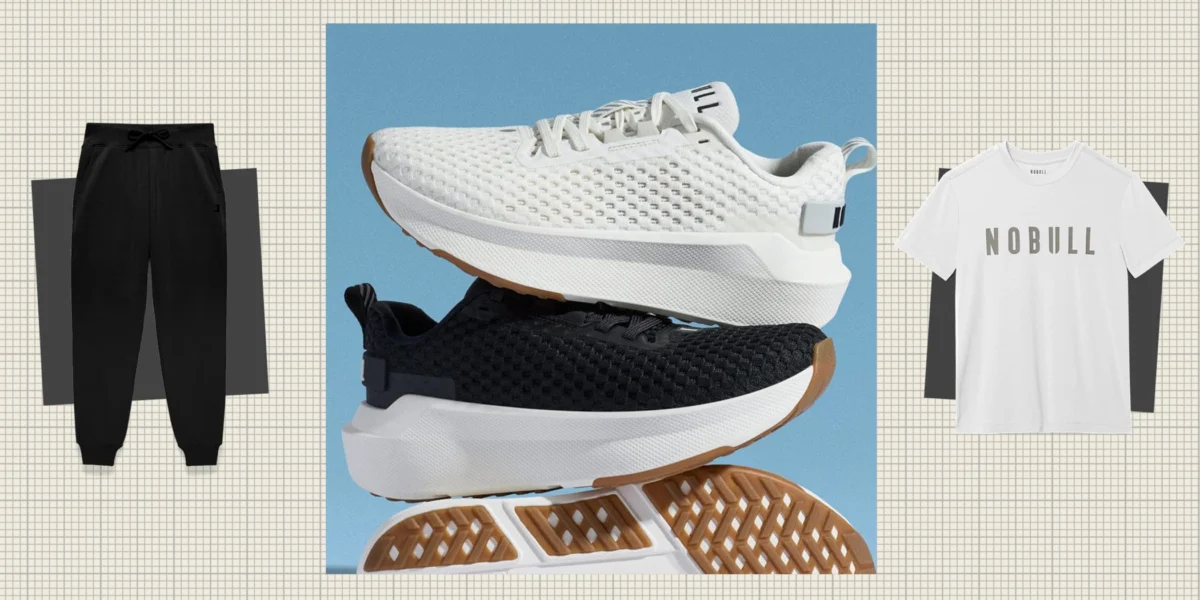
"By prioritizing functional stability over aesthetic excess, NOBULL has redefined the modern training kit, bridging the gap between elite athletic performance and the demands of everyday life through intentional engineering."

The rise of NOBULL within the fitness industry marks a shift toward a "less is more" philosophy, where the focus remains steadfast on durability and utility rather than fleeting design trends. Originally carving out a niche in the high-intensity functional fitness and CrossFit communities, the brand has successfully expanded its footprint into running, golf, and casual menswear. This expansion, bolstered by the strategic acquisition of Public Rec, signifies a move toward a holistic lifestyle brand that supports the athlete not just during a 500-pound squat session, but also in the boardroom and on the golf course.
The Foundation of Performance: Footwear for Every Discipline
The cornerstone of the NOBULL identity is its footwear, which is characterized by a "flat-sole" philosophy designed to maximize ground contact and power transfer. For serious lifters, the Outwork Flex represents the pinnacle of this design. While the classic Outwork has long been a staple in fitness circles, the Flex iteration introduces a necessary nuance: the integration of flexibility for explosive movements without sacrificing the rigid support required for heavy compound lifts.

In the world of strength training, the choice of footwear is a matter of biomechanics. Traditional running shoes, with their compressed foam and high heel-to-toe drop, often create an unstable platform for movements like the back squat or deadlift. The Outwork Flex addresses this by providing a stable, flat base that allows the athlete to "drive" through the floor. The addition of an abrasion-resistant spacer mesh ensures that the shoe can withstand the friction of rope climbs or the lateral stress of dynamic movements, while the improved grip becomes a safety essential when handling loads in the 500-pound range.
Transitioning from the weight room to the pavement, the Journey 2 showcases NOBULL’s approach to the "comfort-first" category. Unlike the rigid structure of a lifting shoe, the Journey 2 utilizes stacked CMEVA (Compression Molded Eva) foam. This material is designed to absorb the repetitive impact of walking and light running, reducing the stress on the lower kinematic chain. The inclusion of a TPU heel clip is a strategic addition; highly cushioned shoes often suffer from "lateral roll," where the foot feels unstable on top of the foam. The clip locks the heel in place, providing a sense of security that is often missing in maximalist walking shoes.

The brand’s foray into specialized sports is best exemplified by the Ripstop Golf Shoe. Golf footwear has historically been divided between traditional leather cleats and modern "sneaker" styles. NOBULL’s version leverages its signature Ripstop material—a reinforced weaving technique that prevents small tears from spreading—to create a waterproof yet breathable upper. This addresses the specific environmental challenges of golf, such as morning dew and sudden downpours, while maintaining a silhouette that feels at home in a casual clubhouse setting.
Material Science in Apparel: From Cordura to French Terry
NOBULL’s apparel line follows the same logic as its footwear: identify a specific use case and apply the most durable material available. For high-intensity training, the brand relies heavily on Cordura. Originally developed for military and outdoor applications, Cordura is a nylon-based fabric known for its exceptional abrasion resistance. In the context of the NOBULL Training Short, this means the garment can survive repeated contact with knurled barbells, gravel, or turf without pilling or tearing.

Beyond the "tactical" side of fitness, the brand has mastered the use of French terry for its lifestyle and recovery pieces. The NOBULL Crew and Jogger sets utilize a medium-weight cotton blend that prioritizes a "structured" fit. In the apparel industry, French terry is often criticized for being too lightweight or losing its shape after a few washes. NOBULL’s iteration features ribbed cuffs and necklines that maintain the garment’s silhouette, providing an "old-school powerlifter" aesthetic that feels rugged yet premium. This balance is critical for athletes who want clothing that is comfortable for recovery but sharp enough to wear outside the gym.
The brand’s standard Tee has also seen a surge in cultural relevance, moving beyond the gym to become a viral staple. However, the substance of the shirt remains in its performance-forward design. By utilizing moisture-wicking fabrics that are smooth to the touch, NOBULL offers an alternative to the overly restrictive, "compression-style" shirts popularized in the early 2000s. The fit is described as "form-fitting where it matters"—typically across the chest and shoulders—while offering more room in the midsection, making it a practical choice for athletes in various stages of their training cycles.

The Public Rec Synergy: The Transition to Everyday Wear
The acquisition of Public Rec marked a turning point for NOBULL, allowing it to integrate sophisticated "athleisure" technology into its rugged catalog. This is most evident in the Dealmaker 5-Pocket Pant and the Adapt Tee. These products represent a "hybrid" category of clothing designed for the man who moves between different environments throughout the day.
The Dealmaker Pant is essentially a technical chino. It provides the visual aesthetic of a traditional work pant but is constructed from a lightweight, stretchy fabric that is both weather-resistant and incredibly soft. For the modern professional who may walk a golf course or commute by bike, these pants offer a level of mobility that traditional denim or cotton twill cannot match. The 5-pocket design keeps the look classic, ensuring they remain appropriate for an office environment or a social evening.

Similarly, the Adapt Tee introduces "CoolCore" technology to the NOBULL ecosystem. This is a chemical-free cooling fabric that uses the body’s own moisture to regulate temperature. In addition to its thermal properties, the Adapt Tee features UPF50 sun protection and wrinkle-resistant properties. This makes it an ideal travel garment or an outdoor training staple, as it maintains its structure and function even after being packed in a gym bag or exposed to intense sunlight.
Sustainability and the Value of Durability
In an era of "fast fashion" where workout gear is often treated as disposable, NOBULL’s value proposition is centered on longevity. The higher price points—typically $150 for footwear and $50–$120 for apparel—are justified by the choice of high-performance materials like Cordura, Ripstop, and specialized EVA foams.

From an expert perspective, the true cost of fitness gear is measured in its "cost per wear." A pair of $60 training shorts made of Cordura that lasts five years is ultimately more economical than a $20 pair of generic polyester shorts that lose their elasticity after six months of heavy squats. NOBULL’s commitment to "simple but specific" design ensures that their products do not go out of style, encouraging a more sustainable approach to consumerism where athletes buy fewer, higher-quality items.
Conclusion: A Modular Ecosystem for the Modern Athlete
NOBULL has successfully transitioned from a niche CrossFit brand to a comprehensive performance ecosystem. By focusing on the specific mechanical needs of the foot during heavy lifts, the thermal needs of the body during recovery, and the aesthetic needs of the athlete in professional settings, they have created a modular wardrobe.

Whether it is the Outwork Flex providing the stability for a new personal record or the Dealmaker Pant providing comfort during a cross-country flight, the common thread is a refusal to include "bull"—gimmicks, unnecessary features, or fragile materials. As the brand continues to evolve, its core mission remains a testament to the power of functional simplicity in an increasingly cluttered marketplace.
