
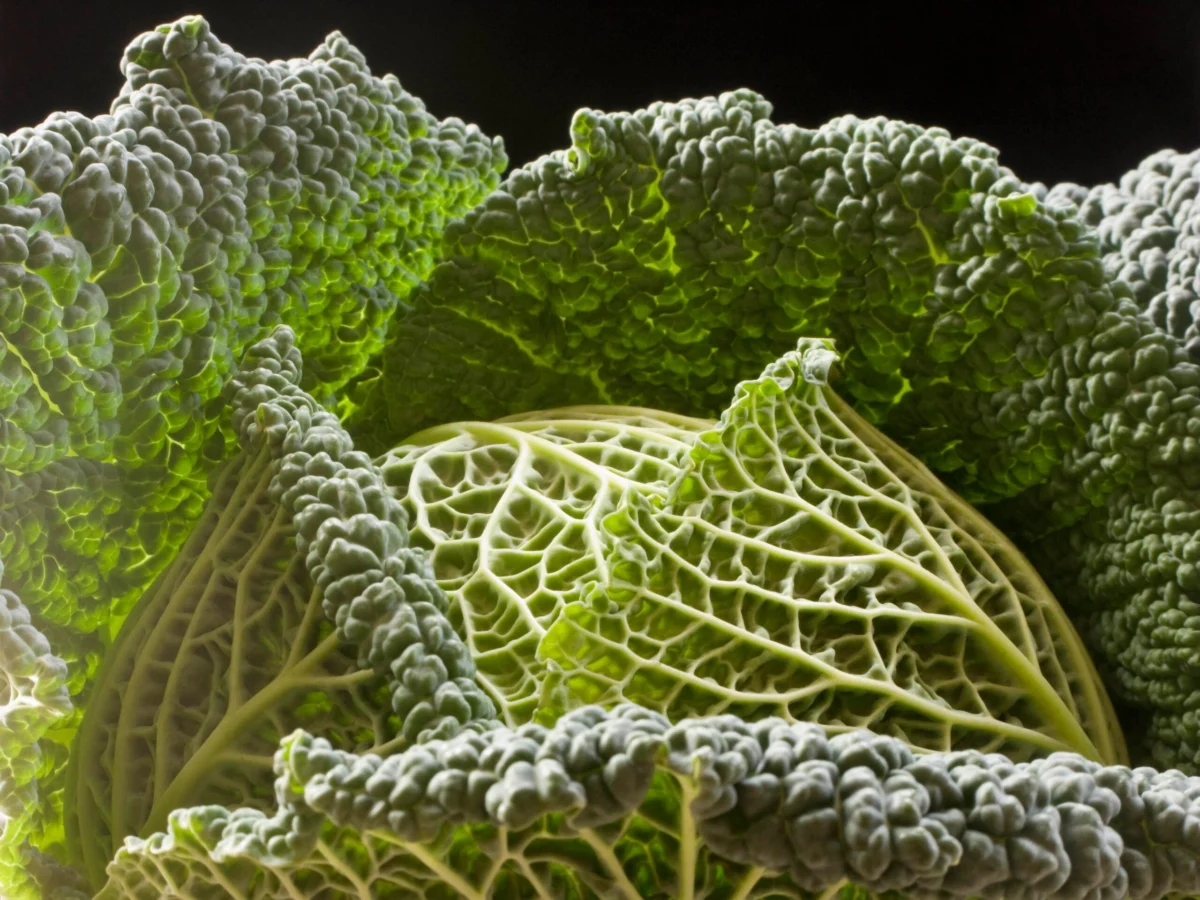
"Cabbage offers a safer, more nutrient-dense, and cost-effective alternative to lettuce during a period defined by rising grocery prices and recurring foodborne illness outbreaks. By shifting from a side dish to a culinary centerpiece, this versatile vegetable is helping consumers bridge the ‘fiber gap’ while protecting both their health and their wallets."
As the cost of living continues to climb and the reliability of traditional produce like lettuce is challenged by environmental and safety concerns, a fundamental shift is occurring in the American kitchen. The humble cabbage, long relegated to the periphery of the plate as a simple slaw or a boiled accompaniment, is experiencing a significant cultural and nutritional re-evaluation. Driven by viral social media trends and a growing public awareness of gut health, this hardy cruciferous vegetable is emerging as a primary solution for families looking to maximize their nutritional intake without overextending their grocery budgets.
The Summer of Produce Volatility
The current culinary landscape is being shaped by two primary pressures: economic inflation and food safety. For many households, the "simple salad" has become a source of both financial and physical anxiety. The rising cost of leafy greens, particularly romaine and iceberg lettuce, has coincided with a concerning outbreak of Cyclospora cayetanensis, a microscopic parasite that causes severe gastrointestinal distress. Because lettuce is almost exclusively consumed raw, it poses a higher risk for foodborne illness, as there is no "kill step"—such as heat—to eliminate pathogens.
In contrast, cabbage offers a structural and safety advantage. While it can be eaten raw, its dense, fibrous leaves are uniquely suited for high-heat cooking methods such as roasting, sautéing, and braising. According to food safety experts, heat is an effective way to neutralize parasites like Cyclospora. This makes cabbage a "safe" head of greens in an era where raw produce feels increasingly risky. Beyond safety, the economic value of cabbage is unparalleled. Unlike delicate greens that wilt within days, a single head of cabbage can remain fresh in refrigeration for weeks and, due to its density, can provide the bulk for multiple meals, effectively "stretching" expensive proteins like ground beef or sausage.
The Rise of "Filthy Cabbage" and Social Media Culinary Innovation
The rehabilitation of cabbage’s reputation is largely thanks to digital content creators who have rebranded the vegetable for a new generation. One of the most prominent figures in this movement is Ronald Dajoh, a food content creator whose "filthy cabbage" recipe has garnered massive attention on platforms like TikTok and Facebook. The dish—a one-pot meal combining shredded cabbage with seasoned ground beef or sausage—epitomizes the modern approach to budget cooking: high volume, high flavor, and low cost.
Dajoh’s philosophy centers on the idea that affordability should not come at the expense of taste. "I’ve always loved cabbage because it’s inexpensive, versatile, and stretches a meal," Dajoh explains. His success highlights a broader trend where home cooks are looking for "functional" recipes that feed large families for under twenty dollars. By using cabbage as a base for soups, wraps, and even as a substitute for tortilla shells, creators like Dajoh are teaching consumers how to view the vegetable as a blank canvas for bold flavors.
Similarly, the self-described "cabbage chef" known as Don Cabbage has built a dedicated following by pushing the boundaries of what the vegetable can do. From "cabbage pasta"—where the vegetable is sliced into thin ribbons to mimic noodles—to using thick outer leaves as low-carb hot dog buns, the innovation is endless. "What may be changing is how people see cabbage," says Don Cabbage. "It can replace bread, become pizza, and unexpectedly take center stage. Health and cost matter, but we shouldn’t have to sacrifice delicious food. Cabbage quietly solves that."

The Nutritional Profile: A Powerhouse of Fiber and Vitamins
From a clinical perspective, the transition from lettuce to cabbage is a significant nutritional upgrade. While lettuce is largely composed of water, cabbage is a dense source of essential micronutrients and macronutrients. It contains significantly more Vitamin C, which is vital for immune function and collagen synthesis, and Vitamin K, which plays a critical role in bone health and blood coagulation.
However, the most compelling argument for cabbage lies in its fiber content. Michael Reavis, RD, CSSD, a clinical dietitian at the University of Maryland Medical Center, notes that the rise of cabbage coincides with a growing public interest in "fibermaxxing"—the intentional increase of dietary fiber to improve metabolic health. A single cup of cabbage provides approximately five grams of fiber, or roughly one gram for every ten calories.
This is particularly relevant for men’s health. Current data suggests that the average male requires about 38 grams of fiber per day, yet a staggering 95 percent of American men fall short of this goal. Reavis points out that incorporating just one-and-a-half cups of cabbage into a daily diet can fulfill 20 percent of a man’s fiber requirements.
The Long-Term Health Implications
The benefits of a cabbage-rich diet extend far beyond immediate digestion. High-fiber diets are a cornerstone of preventative medicine, particularly regarding colorectal cancer. Currently, colorectal cancer is the leading cause of cancer-related death for men under the age of 50 in the United States. Epidemiological studies have consistently shown that high fiber intake helps protect the epithelial cells of the colon and reduces the risk of malignancy.
Furthermore, cabbage belongs to the Brassica genus, which contains glucosinolates—sulfur-containing compounds that have been studied for their potential anti-cancer properties. "Increasing fiber intake improves blood sugar regulation, promotes healthy digestion, and provides ‘food’ for the beneficial bacteria within our microbiome," Reavis explains. By nourishing the gut microbiome, cabbage consumption can also lead to reduced total cholesterol levels, thereby lowering the long-term risk of heart disease.
Culinary Versatility and Practical Application
For those looking to integrate more cabbage into their routines, the options extend far beyond the traditional boiled wedge. Experts recommend several entry points:
- The Protein Bowl Base: Instead of rice or quinoa, use finely shredded, lightly sautéed cabbage as the base for a bowl. Paired with ground turkey, ginger, and soy sauce, it mimics the flavor profile of an egg roll without the refined carbohydrates.
- The Fermentation Advantage: For those with limited time for meal prep, Reavis suggests sauerkraut or kimchi. These forms of pickled cabbage offer the same fiber and vitamin benefits but add a layer of probiotics created during the fermentation process, which further supports gut health.
- The Structural Substitute: Cabbage’s rigidity makes it an excellent replacement for bread and wraps. Large, blanched leaves can be used for stuffed cabbage rolls or as a sturdy "taco shell" that holds up better than traditional lettuce wraps.
- Bold Seasoning: Cabbage has a mild, slightly sweet flavor profile when cooked, making it an ideal vehicle for aggressive spices. Ronald Dajoh advises home cooks not to be afraid of bold flavors: "Just don’t overcook it, season it well, and don’t be afraid of bold flavors. It just might surprise you."
Conclusion: Saving "Cabbage" While Eating It
The resurgence of cabbage is a testament to the vegetable’s enduring utility. In an era where the global food supply chain is increasingly fragile and the cost of healthy eating is often prohibitive, cabbage stands as a resilient, nutrient-dense, and affordable staple. It bridges the gap between the needs of the human body and the constraints of the modern wallet.
By embracing this "unboring" vegetable, consumers are doing more than just avoiding a diarrhea-provoking parasite or shaving a few dollars off their grocery bill. They are participating in a broader movement toward sustainable, health-conscious eating that prioritizes longevity and culinary creativity. As the influencers and dietitians agree: cabbage isn’t just a vegetable; it’s a solution. In the quest for better health and smarter spending, the most powerful tool in the kitchen might just be a humble, heavy head of cabbage.
