
"The most effective strategy for reversing hair thinning combines FDA-approved medical interventions with a rigorous scalp-health regimen, transforming hair restoration from a hopeful pursuit into a disciplined clinical practice."

Modern hair loss treatments have evolved far beyond the dubious "miracle tonics" of the past, settling into a sophisticated landscape of clinically proven pharmaceuticals, bio-active serums, and light-therapy technology. As androgenetic alopecia—commonly known as male pattern baldness—affects a significant portion of the global male population, the focus has shifted toward early intervention and the maintenance of the scalp microbiome. By understanding the biological mechanisms of hair follicles and the hormonal influences of dihydrotestosterone (DHT), men can now utilize a multi-pronged approach that addresses hair loss from the root, the scalp surface, and the cellular level.
The Foundation of Treatment: FDA-Approved Minoxidil
At the center of any serious hair restoration effort is Minoxidil, the most widely recognized and dermatologist-recommended over-the-counter treatment for male pattern hair loss. Originally developed as an oral medication for high blood pressure, researchers discovered its potent side effect of hair regrowth, leading to the topical formulations used today. Minoxidil functions as a vasodilator; it widens the blood vessels in the scalp, which improves the delivery of oxygen and nutrients to the hair follicles. More importantly, it is believed to extend the anagen (growth) phase of the hair cycle, allowing hair to grow longer and thicker before entering the resting phase.

Rogaine remains the industry standard, particularly in its 5% Minoxidil Foam formulation. Dermatologists frequently recommend the foam over the liquid solution because it lacks propylene glycol, a common irritant that can cause contact dermatitis or allergic reactions in sensitive users. Furthermore, the foam vehicle offers superior control, preventing the product from dripping onto the face, which can cause unwanted hair growth in non-target areas. Testing reveals that while results can appear within two months—specifically along the temples and the crown—consistency is the ultimate requirement. Minoxidil is a lifelong commitment; the cessation of treatment typically results in the loss of any regrown hair within weeks, as the follicles return to their genetically predetermined thinning cycle.
Hims offers a comparable 5% Minoxidil Foam that caters to the modern, tech-savvy consumer. While the formula is functionally similar to Rogaine, Hims differentiates itself through its delivery model. By providing a subscription-based service that includes virtual check-ins with staff dermatologists, the brand addresses the psychological hurdles of hair loss. This access to professional guidance helps users navigate the "dread shed"—a temporary period of increased hair loss that often occurs when starting Minoxidil as old, weak hairs are pushed out to make room for new, stronger growth.

Beyond Pharmaceuticals: The Role of DHT Blockers
While Minoxidil stimulates growth, it does not address the primary hormonal cause of male pattern baldness: Dihydrotestosterone (DHT). DHT is an androgen that binds to receptors in the scalp, causing hair follicles to miniaturize over time until they stop producing hair entirely. To combat this, many men turn to specialized shampoos and styling products infused with DHT-blocking ingredients.
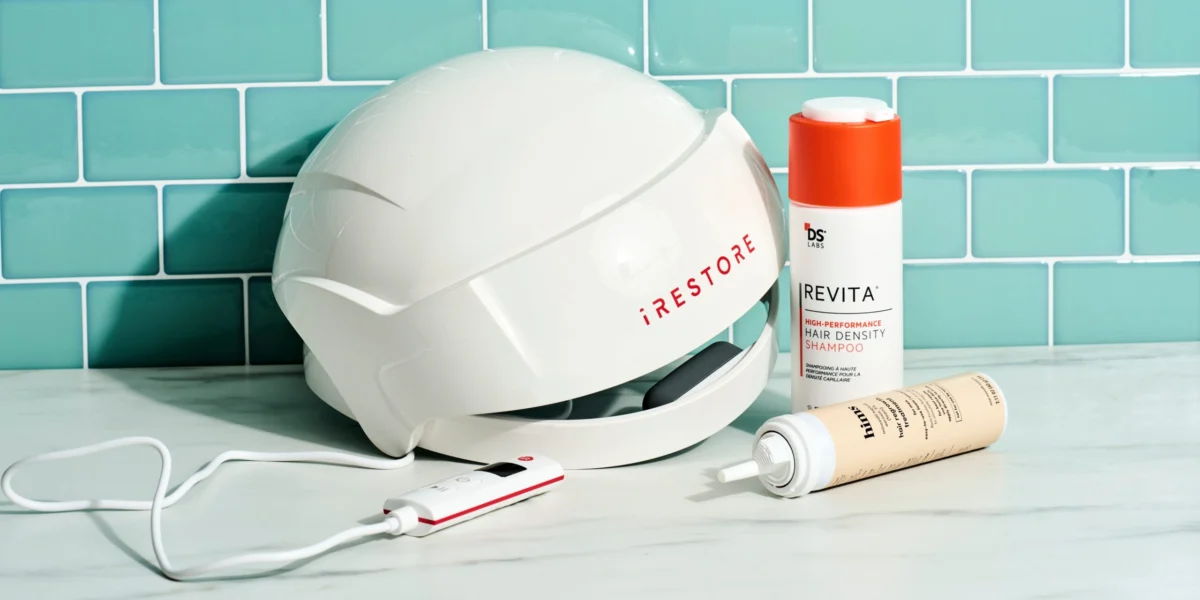
DS Laboratories’ Revita Hair Density Shampoo represents the pinnacle of this category. Unlike standard shampoos that merely cleanse, Revita is formulated with caffeine, biotin, and amino acids. Caffeine, when applied topically, has been shown in studies to counteract the effects of DHT and stimulate the hair shaft’s elongation. Additionally, the inclusion of wheat protein and glycerin provides an immediate cosmetic benefit, swelling the hair shaft to make existing hair appear thicker and more voluminous. This makes it an ideal entry-point treatment for men in the earliest stages of thinning who are not yet ready for pharmaceutical topicals.

For those seeking a "two-in-one" solution, the Patricks RD1 Hair Loss Spray serves as both a styling product and a preventative treatment. It utilizes Capixyl—a blend of acetyl tetrapeptide-3 and red clover extract—which targets the inflammatory processes surrounding the hair follicle. While it does not contain FDA-approved drugs, its inclusion of saw palmetto provides a natural mechanism for inhibiting 5-alpha-reductase, the enzyme responsible for converting testosterone into DHT. Because it adds instant texture and volume, it encourages daily use, which is critical for the long-term efficacy of any hair-health ingredient.
Scalp Health: The "Soil" for Hair Growth
A growing body of research suggests that the condition of the scalp is just as important as the health of the follicle itself. A scalp burdened by oil buildup, environmental pollutants, and product residue can suffer from inflammation, which further compromises hair growth.

The Act + Acre Cold Pressed Apple Stem Cell Serum focuses on this "scalp-first" philosophy. Using plant-based stem cell technology, this serum aims to protect the longevity of hair follicles and balance the scalp’s microbiome. Ingredients like bamboo extract and aloe vera soothe irritation and reduce the itching often associated with thinning. While such serums are generally preventative rather than corrective—meaning they are unlikely to regrow hair on a bald spot—they are essential for maintaining the "soil" in which hair grows, ensuring that existing strands remain anchored and healthy.
To maximize the absorption of these serums and foams, scalp exfoliation is increasingly recommended. The Nutrafol Build-Up Blocker Exfoliating Scalp Mask uses AHA fruit acids and jojoba esters to chemically and physically remove the "biofilm" of sebum and dead skin cells that can clog pores. By clearing this path, the scalp becomes more receptive to Minoxidil or other active ingredients, effectively acting as a "force multiplier" for the rest of a man’s grooming routine.

The Technological Frontier: Low-Level Laser Therapy (LLLT)
Perhaps the most significant advancement in home hair care is the rise of FDA-cleared Low-Level Laser Therapy (LLLT) devices. These devices, such as the iRestore Essential Laser Therapy Hair Growth System, use medical-grade lasers and LEDs to deliver red light at a specific wavelength (typically around 650nm) to the scalp. This process, known as photobiomodulation, stimulates cellular activity in the mitochondria of the hair follicles, increasing ATP production and blood flow.
The primary advantage of a laser helmet over topical treatments is the lack of mess and side effects. There are no chemicals to apply and no greasy residues to manage. The iRestore system is designed for ease of use, requiring 25-minute sessions every other day. Clinical observations suggest that when used consistently, LLLT can significantly increase hair density and diameter. It is often used as a complementary therapy alongside Minoxidil, as the two treatments work through different biological pathways—one chemical, one light-based—to achieve a synergistic effect.

Conclusion: A Disciplined Approach to Longevity
The modern reality of hair loss is that it is no longer an inevitable conclusion for many men, provided they are willing to adopt a disciplined, multi-faceted routine. The most successful outcomes are seen in individuals who combine a growth stimulant (Minoxidil), a DHT-inhibiting cleanser (Revita), and a biological optimizer (LLLT or scalp serums).
The psychological impact of hair loss can be profound, affecting self-esteem and social confidence. However, with the current availability of high-quality, clinically backed products, the focus has shifted from "curing" baldness to managing hair density over a lifetime. Whether through the pharmaceutical precision of Rogaine, the technological intervention of iRestore, or the botanical support of Act + Acre, the tools to maintain a full head of hair are more accessible than ever before. Success in this arena is defined by two factors: starting as early as possible and maintaining a commitment to the process that lasts as long as one wishes to keep their hair.
