
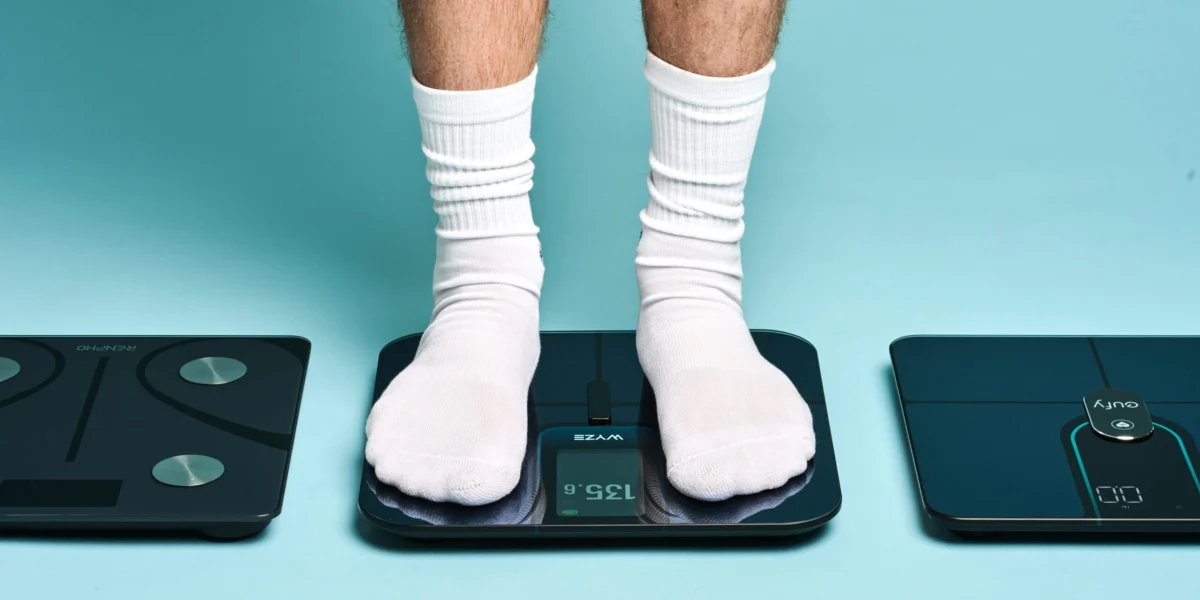
"The evolution of the bathroom scale from a simple weight tracker to a sophisticated diagnostic hub represents a fundamental shift in personal health management, moving beyond total mass toward a holistic understanding of body composition and cardiovascular wellness."
This transition marks a departure from the era of "weight obsession" toward an era of "data-driven health optimization." By utilizing technologies like Bioelectrical Impedance Analysis (BIA) and integrated Electrocardiograms (ECG), modern smart scales provide a multi-dimensional view of the human body, allowing individuals to monitor everything from heart health and nerve sensitivity to the specific distribution of muscle mass across their limbs.

The New Frontier of Personal Diagnostics
For decades, the standard bathroom scale served a singular, often stressful purpose: measuring the gravitational pull on the human body. However, health professionals have long argued that weight is an incomplete metric. A 200-pound athlete with 10% body fat has a radically different health profile than a sedentary individual of the same weight. The emergence of smart scales has bridged this information gap, transforming a static piece of glass into a powerful tool for preventive medicine.
The modern market for these devices is bifurcated into several categories: the "Rolls-Royce" premium models that offer clinical-grade insights, the "Ecosystem" models designed for athletes already embedded in a specific tech environment, and the "Value" models that democratize health data for the average consumer.
The Flagship Standard: Withings Body Scan
At the pinnacle of the current market stands the Withings Body Scan. Long considered the pioneer of the smart scale category, Withings has refined the Body Scan to be more than a scale; it is essentially a daily health check-in station. What sets this device apart is its inclusion of a retractable handle, which allows for 6-lead ECG readings. Given that nearly 48% of Americans are projected to develop some form of cardiovascular disease, the ability to monitor heart rhythm and vascular age from home is a potentially life-saving innovation.

Beyond heart health, the Body Scan addresses the "granularity" of data. It utilizes four weight sensors to achieve an accuracy of within 50 grams. For a 200-pound individual, this represents a variance of only 0.05 percent. It also introduces a "Nerve Health Score," which tracks electrodermal activity—a metric often used to detect early signs of peripheral neuropathy. By syncing seamlessly with Apple Health and Google Fit, it ensures that this wealth of data does not live in a vacuum but contributes to a broader health narrative.
The Precision Powerhouse: Hume Body Pod
While Withings focuses on cardiovascular health, the Hume Body Pod targets the "data-obsessed" user who demands granular body composition metrics. Utilizing eight sensors, the Body Pod generates 45 distinct metrics. Its primary claim to fame is its 98% accuracy correlation with DEXA scans—the dual-energy X-ray absorptiometry technology used by medical professionals to measure bone density and body fat.
The Body Pod’s standout feature is "segmental fat analysis." Traditional scales send an electrical current through the legs, often missing data from the upper body. The Body Pod’s multi-sensor approach allows it to differentiate between fat and muscle mass in the torso, arms, and legs. This is particularly valuable for bodybuilders or physical therapy patients who need to track muscle imbalances or localized fat loss. Furthermore, its integration with wearables like the Oura Ring and Fitbit allows users to see how their sleep and activity levels directly correlate with their body composition trends over time.

Democratizing Health: The Value Revolution
The perception that high-level health tech must cost hundreds of dollars is being challenged by brands like Renpho and Wyze. The Renpho Smart Scale, often available for under $25, has become a market disruptor by offering 13 essential metrics—including BMI, muscle mass, and visceral fat—at a fraction of the cost of premium competitors. Its "unlimited user" profile feature makes it an ideal choice for large households or communal living environments.
Similarly, Wyze has leveraged its expertise in the smart home and security camera market to create a scale that prioritizes the user experience. The Wyze app is designed for simplicity, making it accessible to those who may be intimidated by complex data visualizations. By syncing with its own ecosystem of smart vacuums and watches, Wyze creates a "smart home for health" where all data points are centralized and easy to interpret.
The Athlete’s Ecosystem: Garmin Index S2
For the serious endurance athlete, data is only as good as its context. This is where the Garmin Index S2 excels. While it tracks fewer metrics than the Hume Body Pod (focusing on six core areas like skeletal muscle mass and bone mass), its true value lies in the Garmin Connect app.

Garmin users—runners, cyclists, and triathletes—rely on a "single source of truth" for their performance data. The Index S2 allows an athlete to see their weight fluctuations in the context of their training load, VO2 max, and recovery heart rate. If a runner sees a sudden drop in weight alongside a high resting heart rate, the Garmin ecosystem can help identify potential dehydration or overtraining. The social component of the Garmin network also adds a layer of accountability, allowing users to share progress with a community of like-minded performers.
Streamlining the Experience: Homedics Smart Glo
As health technology becomes more complex, a segment of the population is experiencing "tech fatigue." The Homedics Smart Glo Scale addresses this by focusing on ease of use. It eliminates the friction of complex setups by arriving with batteries pre-included and offering a "guest mode" that doesn’t require a dedicated account.
Despite its simplicity, it doesn’t sacrifice depth. It remains a favorite for those focused on specific fitness goals, such as hypertrophy. By tracking the ratio of body fat to skeletal muscle, it provides the necessary feedback for individuals trying to "recompose" their bodies—losing fat while gaining muscle—without getting lost in the "noise" of more esoteric metrics.

The Science of Bioelectrical Impedance
To understand the value of these devices, one must understand the technology driving them. Most smart scales use Bioelectrical Impedance Analysis (BIA). When you step on the scale, a tiny, imperceptible electrical current is sent through your body. Because fat, muscle, and bone have different levels of water content, the current travels through them at different speeds (impedance).
While BIA is not as precise as a clinical underwater weighing or a DEXA scan, its value lies in "trend tracking." Body composition can fluctuate based on hydration, the time of day, or recent food intake. Therefore, the most important aspect of using a smart scale is consistency—weighing yourself at the same time, under the same conditions, to observe the direction of the data over weeks and months.
Implications for Long-term Wellness
The integration of these devices into our daily lives signals a move toward "proactive" rather than "reactive" healthcare. By monitoring visceral fat—the dangerous fat stored around internal organs—users can identify risks for Type 2 diabetes or heart disease long before symptoms appear. By tracking metabolic age, individuals can receive a "wake-up call" that their internal health does not match their chronological age, prompting lifestyle changes.

Ultimately, the best smart scale is the one that fits a user’s specific lifestyle. For the heart-conscious, the Withings Body Scan offers peace of mind through ECG technology. For the data-driven athlete, the Hume Body Pod provides unmatched granularity. For the budget-conscious beginner, Renpho and Wyze offer an entry point into a healthier lifestyle. In all cases, these devices prove that when it comes to health, knowledge truly is power. By turning a daily habit into a data-gathering session, we can move closer to a future where we understand our bodies better than ever before.
