
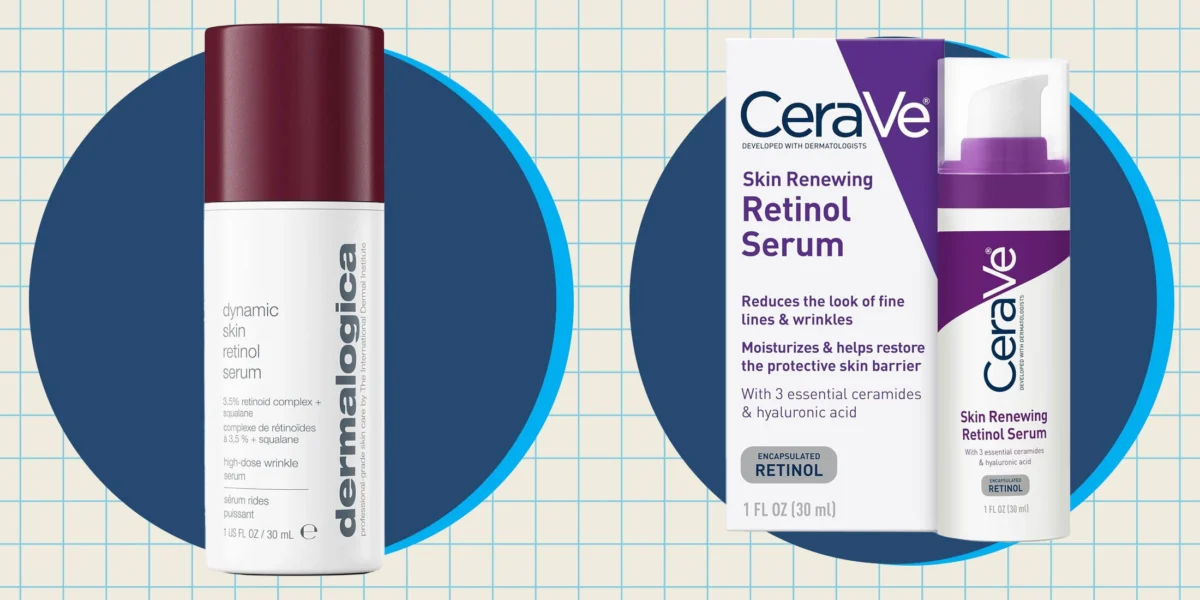
"Retinol acts as a ‘Swiss Army knife’ for skin health, offering a single-ingredient solution for acne, fine lines, and uneven texture without the need for a complex, multi-step regimen."

While the world of dermatology often promotes elaborate, ten-step routines, the reality for most men is a desire for efficiency and proven results. Retinol, a vitamin A derivative, stands as the gold standard in topical skincare due to its unique ability to communicate with skin cells, encouraging them to behave in a younger, healthier manner. By accelerating cellular turnover and stimulating collagen production, it addresses a broad spectrum of concerns—from adolescent breakouts to the first signs of aging—making it the most efficient addition any man can make to a basic grooming routine.
The Science of the "Swiss Army Knife"
To understand why dermatologists consistently recommend retinol, one must look at the biological mechanics of the skin. Retinol belongs to the broader family of retinoids, all of which are derived from Vitamin A. When applied topically, enzymes within the skin convert retinol into retinoic acid, the biologically active form of the nutrient. This molecule then binds to receptors within the skin cells, effectively "reprogramming" them.

Dr. Michael B. Lipp, a fellowship-trained cosmetic dermatologist at SKINAESTHETICA, famously refers to retinol as the "Swiss Army knife" of skincare. This moniker is earned through its multi-functional impact. First, it increases the rate of cell turnover. In younger skin, cells renew themselves quickly, but this process slows significantly as we age, leading to a dull, rough complexion. Retinol forces these older cells to shed, revealing smoother skin underneath.
Secondly, retinol is a powerhouse for collagen preservation and production. Collagen is the structural protein that gives skin its firmness. As we age, and especially as we are exposed to UV radiation, our natural collagen breaks down. Retinol not only stimulates the fibroblasts to create new collagen but also inhibits the enzymes that destroy existing collagen. This dual action is what allows the ingredient to visibly soften fine lines and improve the skin’s overall elasticity.

Addressing Texture and Tone
Beyond the anti-aging benefits, retinol plays a critical role in managing skin texture and pigmentation. Dr. Marisa Ponzo, a double board-certified dermatologist at North York Board Dermatology, notes that the ingredient helps normalize the behavior of keratinocytes (the primary cells in the outer layer of the skin) and melanocytes (the cells responsible for pigment).
For men who struggle with "congested" skin—characterized by enlarged pores, blackheads, and frequent breakouts—retinol serves as a preventative measure. By keeping the pores clear of dead skin cell buildup, it significantly reduces the likelihood of blockages that lead to acne. Simultaneously, its impact on melanocytes helps fade "post-inflammatory hyperpigmentation"—the dark spots left behind after a blemish heals—and evens out skin tone damaged by years of sun exposure.

Breaking the Gender Barrier in Skincare
A common misconception in the grooming industry is that men and women require fundamentally different active ingredients. However, the dermatologists interviewed for this report are unanimous: skin is skin. While men’s skin tends to be slightly thicker and oilier due to higher testosterone levels, the underlying biology of how retinoids interact with cellular receptors remains the same.
"Men don’t need a separate category of ‘men’s retinol’," explains Dr. Ponzo. The efficacy of a product is determined by its concentration, the stability of the formula, and the presence of supporting ingredients, rather than the fragrance or the color of the packaging. Consequently, men should feel empowered to shop the entire skincare market, focusing on formulations that match their specific skin type—whether dry, oily, or sensitive.

Timing: When Should You Start?
The question of when to begin a retinol regimen is less about a specific age and more about the skin’s current state and future goals. However, general milestones do exist.
Dr. Shannon Humphrey, a clinical associate professor at the University of British Columbia, suggests that the late 20s or early 30s is an ideal window for most men to establish a routine. At this stage, the skin’s natural collagen production begins its gradual decline. Starting early allows for "cumulative effects," where the skin maintains its density and smoothness more effectively than if one were to try and reverse deep-set wrinkles a decade later.

That said, younger men in their early 20s often find success with retinoids as a primary treatment for persistent acne. Conversely, men in their 40s and 50s can still derive significant benefits, though they may require more patience to see the reversal of accumulated sun damage. As Dr. Rishi Chopra, a Harvard-trained cosmetic dermatologist, emphasizes: "I favor starting good skincare habits earlier rather than trying to reverse years of accumulated damage later."
The Beginner’s Blueprint: "Low and Slow"
The most significant hurdle for retinol newcomers is the "retinization" period—the time it takes for the skin to adapt to the increased cell turnover. If used incorrectly, retinol can cause redness, peeling, and irritation, leading many men to abandon the product before it has a chance to work.

To avoid this, Dr. Tim Churchill of the Cadogan Clinic recommends a "low and slow" approach. Beginners should look for a lower-strength retinol, typically between 0.1% and 0.3%. The application should be limited to one or two nights per week initially.
A crucial tip for those with sensitive skin is the "sandwich technique," a method endorsed by Dr. Lipp. This involves applying a thin layer of moisturizer first, followed by a pea-sized amount of retinol, and finishing with another layer of moisturizer. This creates a buffer that slows the penetration of the retinol, reducing the risk of a damaged skin barrier while still delivering the long-term benefits of the vitamin A.

Furthermore, application should be avoided in high-sensitivity areas, such as the corners of the nose, the edges of the lips, and the immediate undereye area. These zones have thinner skin and are more prone to painful cracking or inflammation.
The Non-Negotiable: Sun Protection
If there is one rule that cannot be broken when using retinol, it is the daily application of sunscreen. Because retinol thins the stratum corneum (the outermost layer of dead skin cells) and increases cell turnover, the fresh skin underneath is highly susceptible to UV damage.

Using retinol without a broad-spectrum SPF 30 or higher is counterproductive; the sun damage acquired during the day will outpace the repair provided by the retinol at night. Multiple experts emphasize that sunscreen remains the foundation of all skin health, with retinol acting as a powerful supplement rather than a replacement.
Navigating the Routine: What to Avoid
When introducing retinol, it is wise to simplify the rest of your grooming routine. Retinol is a potent "active," and stacking it with other aggressive ingredients can lead to chemical burns or chronic sensitivity.

Dermatologists recommend pausing the use of strong exfoliating acids, such as glycolic acid (AHA) or salicylic acid (BHA), on the same nights as retinol. Similarly, physical scrubs—those with beads or grains—should be used sparingly, if at all.
Vitamin C, another popular antioxidant for men, is best used in the morning to provide environmental protection, while retinol should be reserved exclusively for the nighttime. This "day/night" split ensures that the skin isn’t overwhelmed by too many signals at once.
Expert-Recommended Retinoids for Men
For those ready to integrate this "Swiss Army knife" into their routine, the market offers several high-quality options tailored to different needs:
- For the Absolute Beginner: CeraVe Resurfacing Retinol Serum is a favorite among dermatologists for its inclusion of ceramides and licorice root, which help soothe the skin while the retinol works on post-acne marks and texture.
- For Dry or Sensitive Skin: La Roche-Posay Retinol B3 or CeraVe Skin Renewing Retinol are formulated with hydrating ingredients like hyaluronic acid and vitamin B3 (niacinamide) to minimize flaking.
- For Maximum Hydration: RoC Retinol Correxion Line Smoothing Max Hydration is specifically designed for those who want the power of a retinoid without the associated dryness, offering a creamy, moisture-rich delivery.
- For Targeted Acne Treatment: KraveBeauty’s 24 Carrot 0.05% Retinal Serum uses retinaldehyde (a more potent precursor to retinoic acid than standard retinol) at a low concentration, making it effective for acne-prone skin that is also easily irritated.
- For the Advanced User: Once the skin is fully acclimated, Medik8 Crystal Retinal or SkinCeuticals Retinol 0.3 offer higher-potency formulas that target deeper wrinkles and more significant photoaging.
The Bottom Line
Improving your skin quality does not require an overhaul of your lifestyle or a bathroom counter filled with expensive bottles. By mastering a single, evidence-based ingredient like retinol, you can address the vast majority of common skin concerns. The goal is not to see immediate, aggressive changes, but to find a formula you can tolerate and use consistently for years. In the world of men’s grooming, consistency is the ultimate shortcut to better skin.
